

Cameroon and CEMAC Partner to Create Regional Research Hub
Translated from French, summarized and contextualized by DistantNews.
At a glance
News
Sources not specified
New plan
- Cameroon and the CEMAC have partnered to create a regional research and innovation hub.
- The initiative aims to harmonize governance and prioritize research in Central Africa's political and economic agenda.
- This collaboration seeks to overcome chronic underfunding and a lack of advanced scientific infrastructure in the sub-region.
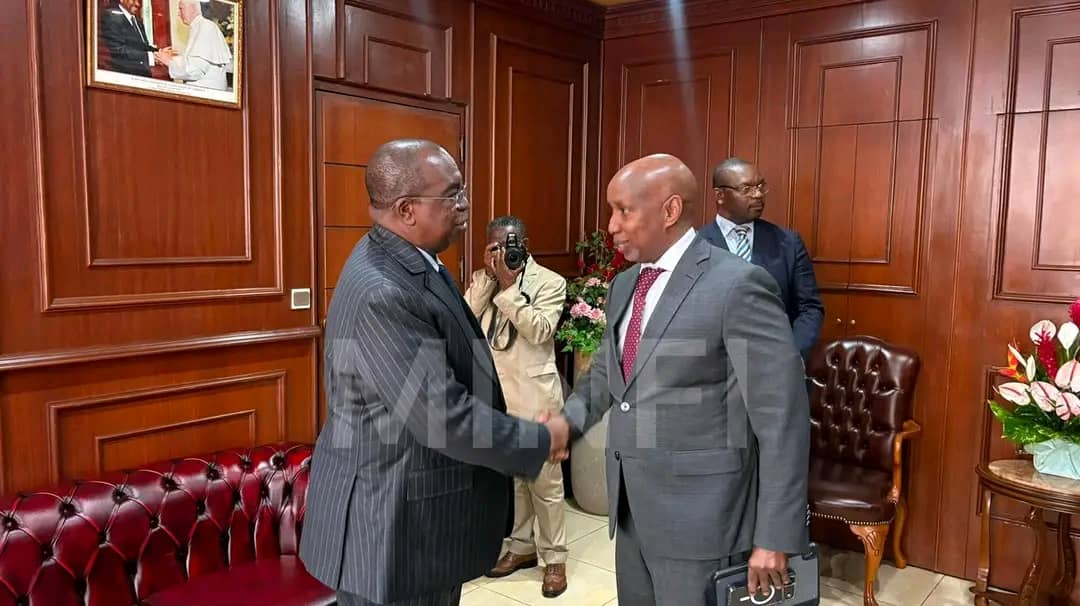
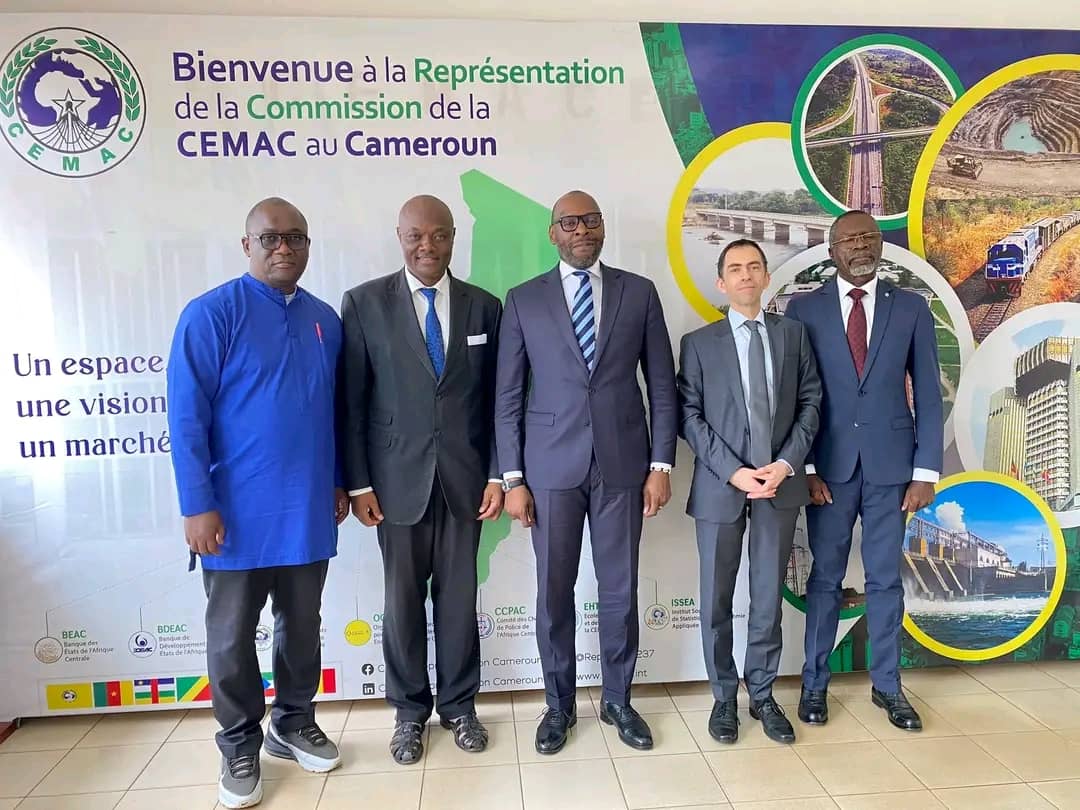
Cameroon's Ministry of Scientific Research and Innovation (MINRESI) and the Central African Economic and Monetary Community (CEMAC) have formalized a strategic partnership to establish a regional research and innovation hub. The agreement, signed on August 12, 2026, aims to align governance structures and elevate scientific research within the political and economic priorities of Central Africa.
Propose to CEMAC to actively associate itself with the harmonization of the governance of this Hub.
The initiative addresses the persistent challenges of chronic underfunding and a deficit of cutting-edge scientific infrastructure that hinder knowledge production and the development of local solutions in the sub-region. Cameroon has taken the lead by proposing the creation of a shared regional hub, with CEMAC now invited to actively participate in its governance.
The core objective is to "Propose to CEMAC to actively associate itself with the harmonization of the governance of this Hub," establishing a common management framework for the six member states. The broader ambition is to "Place scientific research and innovation at the very forefront of the political and economic agenda of Central Africa," transforming science from an afterthought into a genuine driver of growth.
Place scientific research and innovation at the very forefront of the political and economic agenda of Central Africa.
Both institutions believe that pooling resources is key. "By pooling efforts and harmonizing our governance frameworks, Central Africa equips itself with the means to transform its scientific challenges into levers for sustainable development," officials concluded after the meeting. This collaboration could establish the Hub as the primary regional structure for research, fostering shared laboratories, joint programs, and collective funding to help Central Africa bridge its development gap and build its future through collective intelligence.
By pooling efforts and harmonizing our governance frameworks, Central Africa equips itself with the means to transform its scientific challenges into levers for sustainable development.
DistantNews Editorial
Originally published by Journal du Cameroun in French. Translated, summarized, and contextualized by our editorial team with added local perspective. Read our editorial standards.
More Stories

From Our Blog

What Gets Lost (and Found) When News Is Translated

The Critical Role of Diaspora Media in Global News

What Travellers Should Know About Countries with Restricted Press

A Digital Nomad's Guide to Following Local News

How the Same Story Looks Different in Different Countries
