

Can Ankara broker deal for fair transition in Somalia?
Summarized and contextualized by DistantNews.
At a glance
Analysis
Sources not specified
Ongoing story
- Türkiye is part of a four-member mediation team, including the U.S., UK, EU, and UN, aiming to facilitate a political transition in Somalia.
- Somalia's political crisis deepened in May 2026 after the government extended its mandate, leading to opposition rejection and violent clashes.
- Somali leaders have called on Türkiye to act as a neutral mediator, emphasizing the need for impartiality and broad engagement in the transition process.
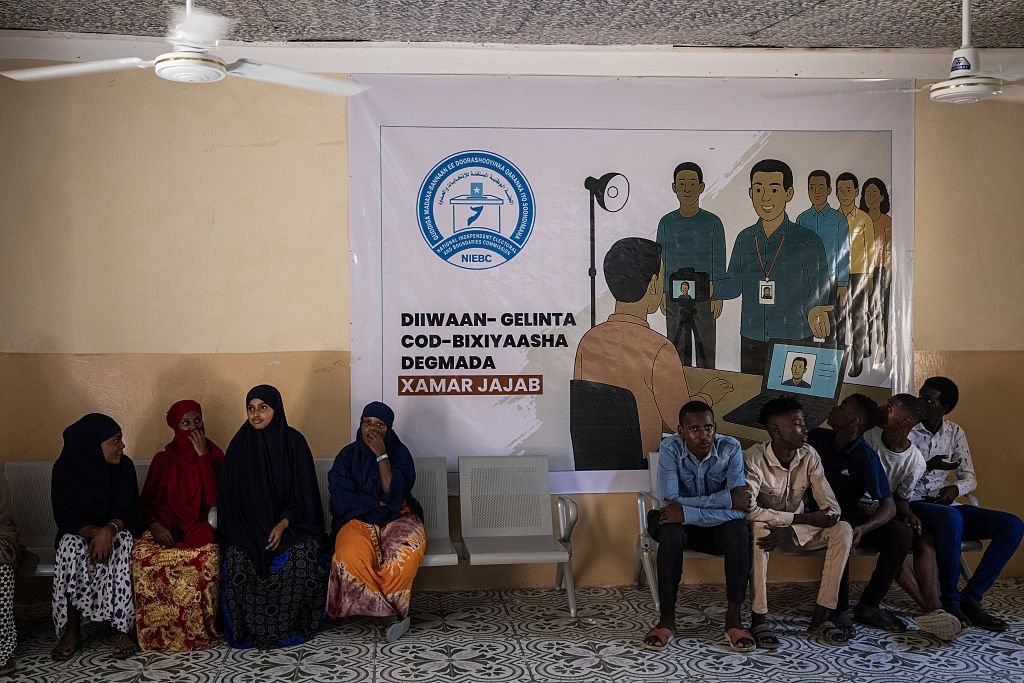
Türkiye is playing a crucial role in mediating Somalia's deepening political crisis, joining a quartet of international powers including the United States, the United Kingdom, the European Union, and the United Nations. The situation escalated in May 2026 when the Somali government unilaterally extended its mandate, prompting the opposition to reject the move and call for protests, which subsequently devolved into violent clashes by June.
most competing Somali groups met with Ankara's mediation team. Many political actors recognize the alignment of interests between the two countries.
Ankara has taken the lead in efforts to quell the violence that erupted in Mogadishu on June 3-4. As part of the mediation team, Türkiye's influence is significant, given that international donors fund over 60% of Somalia's budget through the World Bank and the IMF. Somali groups recognize Türkiye's commitment to bilateral relations, evidenced by its investments in security, oil exploration, the blue economy, and a spaceport. Türkiye has also previously facilitated talks between Somalia and Somaliland and resolved a maritime access dispute between Somalia and Ethiopia through the Ankara Declaration.
Despite Türkiye's substantial investments and stakes in Somalia, political leaders have urged Ankara to serve as a neutral mediator, advocating for a fair and competitive process to ensure a smooth political transition. They have encouraged a broader engagement across Somalia's political landscape, stressing the importance of Türkiye's support being perceived as constructive and impartial. In a letter to President Recep Tayyip Erdoğan, Somali political leaders outlined three key priorities for Türkiye: maintaining neutrality, broadening engagement, and ensuring constructive political dialogue.
given Türkiye's significant investments and stakes, Somalia's political leaders called for Ankara to be a neutral mediator and support a fair and competitive process for a smooth political transition.
The mediation efforts are focused on several key points of dispute between the rival parties. These include the terminology used for the transition process, the electoral system, the size of the constituency, the role of political parties, the composition of the election commission, and election security. The government proposes a "one person, one vote" system with a party-based, open-list proportional representation model, a single countrywide constituency, and a unified election commission it appointed. The opposition, however, advocates for a candidate-based single-member plurality system across 275 constituencies, reflecting clan power-sharing, with a first-past-the-post formula and a two-tier election commission.
maintaining neutrality, broadening engagement, and ensuring that Türkiye’s support contributes to constructive political dialogue.
DistantNews Editorial
Originally published by Daily Sabah. Summarized and contextualized by our editorial team with added local perspective. Read our editorial standards.
More Stories
From Our Blog

What Gets Lost (and Found) When News Is Translated

The Critical Role of Diaspora Media in Global News

What Travellers Should Know About Countries with Restricted Press

A Digital Nomad's Guide to Following Local News

How the Same Story Looks Different in Different Countries
