

Five years of Taliban rule: Holding power isn't same as governing
Summarized and contextualized by DistantNews.
At a glance
Analysis
Sources not specified
Context piece
- Five years after the Taliban returned to power, they have consolidated control in Afghanistan but face challenges in governing effectively.
- While security has improved for many Afghans, the country grapples with widespread humanitarian needs, drought, natural disasters, and a weak economy.
- The exclusion of girls from secondary and higher education remains a critical issue, impacting human rights and the nation's future workforce and institutions.
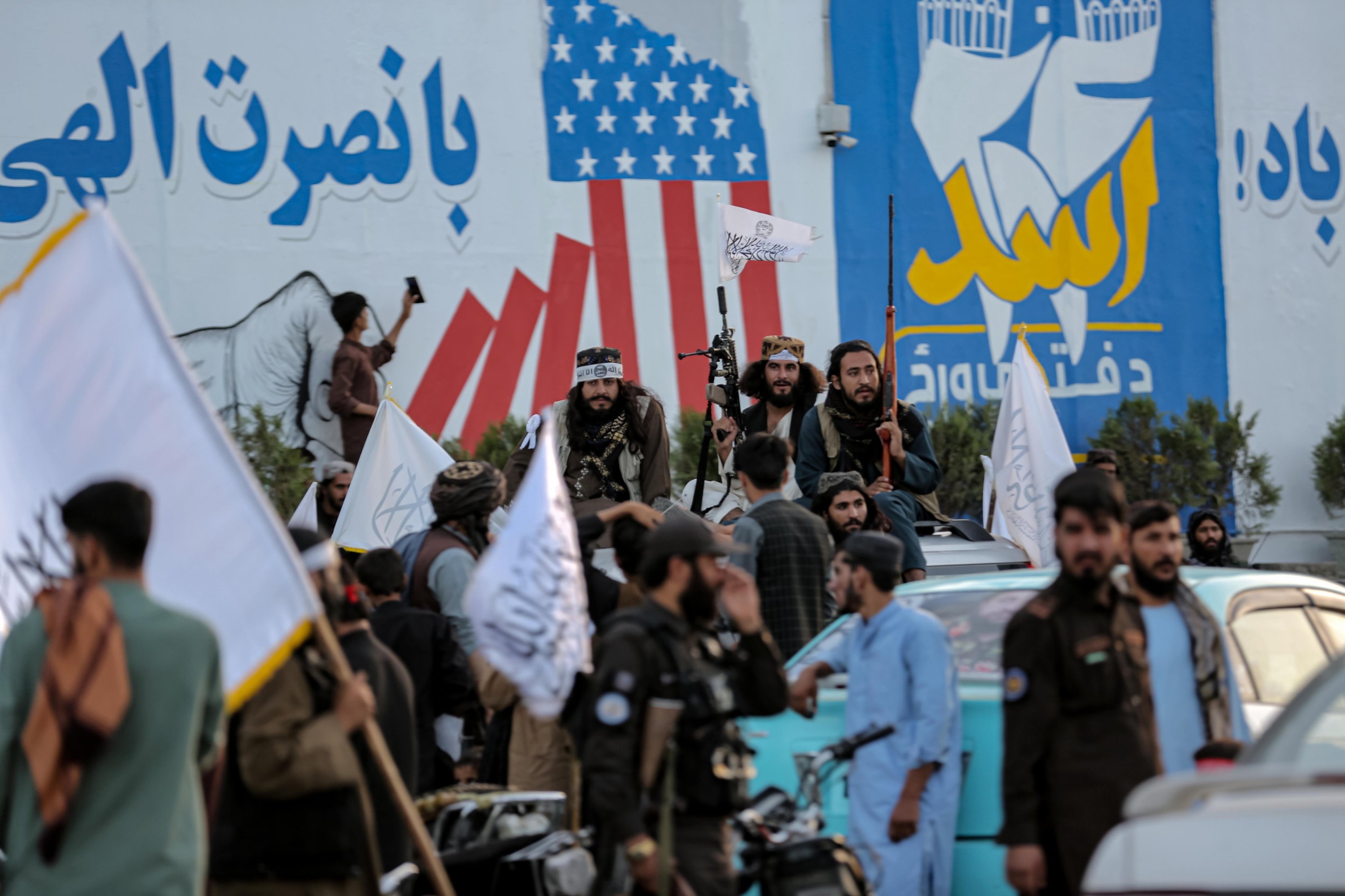
Over five years since the Taliban regained control of Afghanistan, their survival is no longer in question; they have solidified their rule and outlasted international pressure. The more pressing challenge now is whether this extended period of control can translate into a sustainable model of governance.
The war that defined Afghanistan for more than two decades has ended now, and according to many Afghans, they feel safer than they did before.
The Taliban have achieved a significant feat by maintaining control without facing a large-scale military challenge from an alternative government. Many Afghans report feeling safer than they did during the previous two decades of conflict. However, this sense of security does not address the country's deeper issues, such as the need for jobs, education, healthcare, and a stronger economy. Afghanistan is estimated to require humanitarian assistance for approximately 21.9 million people, or 45% of its population, in 2026. The nation also contends with drought, natural disasters, and economic instability, further strained by the return of Afghans from neighboring countries.
Around 21.9 million Afghans, or roughly 45% of the country’s entire population, are estimated to need humanitarian assistance in 2026.
A core issue shaping the Taliban's international relations is the treatment of women and girls. According to the United Nations, around 2.4 million Afghan girls are excluded from secondary education, making Afghanistan the only country globally to formally bar girls and women from secondary and higher education. Women have also been largely excluded from public and economic life. These restrictions are not only a human rights concern but also an economic one, as denying education to millions of girls limits the potential workforce, skills, and institutions vital for the country's future.
Around 2.4 million Afghan girls remain excluded from secondary education, according to the United Nations.
The Taliban's transition from an insurgency to a governing body presents distinct challenges. Without foreign soldiers or a Western-backed government to resist, the Taliban must now assume responsibility for the nation's economy, schools, healthcare, borders, and foreign relations. The country's problems can no longer be solely attributed to the consequences of invasion. International isolation has also presented limitations, though countries like Russia have formally recognized the Taliban government, while China, India, and Iran have also engaged.
When the Taliban were an insurgency, their identity was built around resistance to foreign forces and the government they were trying to overthrow. Now, there are no American soldiers with their boots in Afghanistan and no Western-backed government in Kabul.
DistantNews Editorial
Originally published by Daily Sabah. Summarized and contextualized by our editorial team with added local perspective. Read our editorial standards.
More Stories
From Our Blog

What Gets Lost (and Found) When News Is Translated

The Critical Role of Diaspora Media in Global News

What Travellers Should Know About Countries with Restricted Press

A Digital Nomad's Guide to Following Local News

How the Same Story Looks Different in Different Countries
