


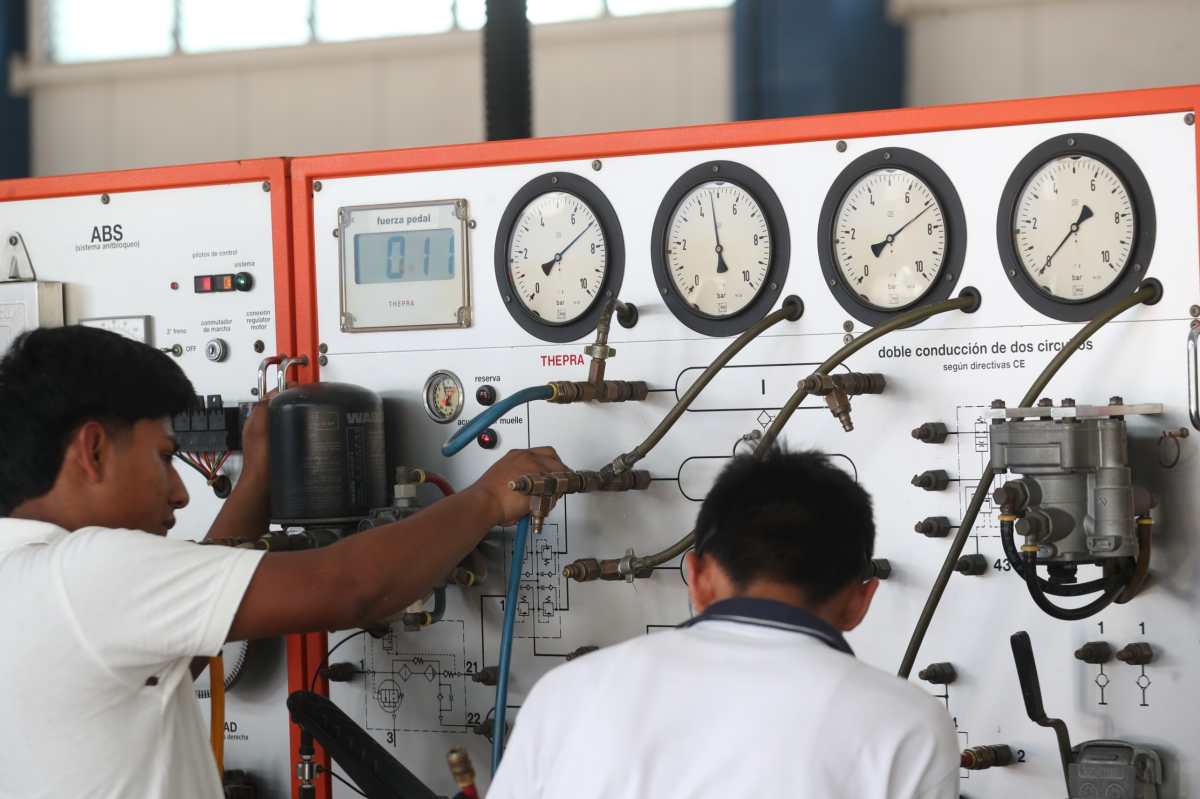
Can Guatemala become an automotive university? It needs a public policy
Translated from Spanish, summarized and contextualized by DistantNews.
At a glance
News
Named sources
Context piece
- Guatemala could integrate into the global auto parts supply chain by manufacturing components like harnesses and sensors.
- Industry stakeholders emphasize the need for public policy to incentivize investment, develop skilled labor, and attract automotive companies.
- Successful integration requires state support for specific sector needs, including logistics, international certifications, and machinery upgrades.
Guatemala has the potential to become a significant player in the global automotive parts industry, capable of producing components such as wire harnesses, sensors, and electrical cable sets. However, realizing this potential hinges on the development and implementation of a comprehensive public policy framework designed to attract investment and foster the necessary conditions for sector growth.
Definitely, having a specific public policy would help a lot. We can see successful cases like Mexico and Paraguay, which managed to develop an auto parts industry to supply Brazil through specific public policies supporting the automotive sector, from fiscal and non-fiscal incentive programs.
Industry experts, including Martha Pozuelos from the Technical Training and Productivity Institute (Intecap) and Wendy Mena from Invest Guatemala, stress that specific state actions are crucial. Drawing parallels with countries like Mexico and Paraguay, which have successfully integrated into automotive supply chains, they highlight the importance of targeted public policies. These policies should encompass fiscal and non-fiscal incentives, aiming to create an environment conducive to attracting automotive companies and their suppliers.
Mena points out that the automotive industry has unique demands, particularly concerning delivery times and adherence to international standards. Guatemala's logistics infrastructure must be robust enough to meet the 'speed to market' requirements of automotive firms. Furthermore, potential suppliers will need to obtain international certifications to integrate into the global supply chain. The government can play a vital role by supporting companies in acquiring these certifications, upgrading machinery, and training specialized personnel.
The automotive parts industry is very sensitive to delivery times. We need to ensure that Guatemala's logistics respond to the speed to market that an automotive company needs.
The strategy could also involve fostering industry clusters, a concept that has proven effective in other regions. By concentrating related businesses and resources, Guatemala could enhance collaboration, innovation, and competitiveness. While some progress can be made with existing resources, a well-defined public policy, potentially emerging from cluster initiatives, would significantly amplify the country's success in establishing a thriving auto parts manufacturing sector.
We need specific support for companies to renew machinery, obtain certifications, and train specialized personnel.
DistantNews Editorial
Originally published by Prensa Libre in Spanish. Translated, summarized, and contextualized by our editorial team with added local perspective. Read our editorial standards.
More Stories



From Our Blog

What Gets Lost (and Found) When News Is Translated

The Critical Role of Diaspora Media in Global News

What Travellers Should Know About Countries with Restricted Press

A Digital Nomad's Guide to Following Local News

How the Same Story Looks Different in Different Countries
