

Five Years of Bitcoin Law in El Salvador: An Experiment Under Review
Translated from Spanish, summarized and contextualized by DistantNews.
At a glance
News
Sources not specified
Outcome reported
- El Salvador marks five years since adopting the Bitcoin Law, which made the cryptocurrency legal tender.
- The law, approved in 2021, initially mandated acceptance of bitcoin for payments and allowed government purchases of the currency.
- Reforms have since limited bitcoin's use to voluntary acceptance, with the dollar remaining the primary currency for official obligations.
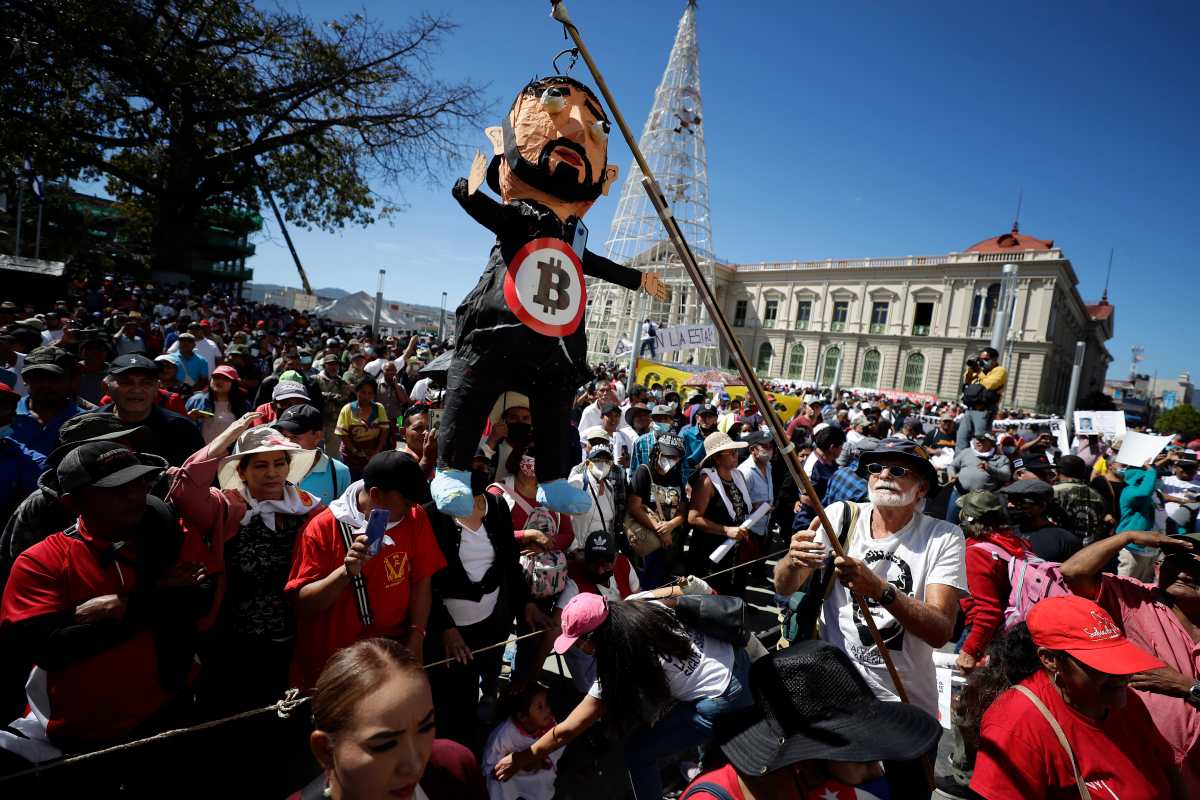
El Salvador is commemorating five years since the groundbreaking approval of its Bitcoin Law, a move that positioned the Central American nation as the first globally to grant legal tender status to bitcoin. The law, enacted on June 8, 2021, by the Legislative Assembly at President Nayib Bukele's behest, aimed to revolutionize the financial landscape by recognizing bitcoin as a valid medium for settling debts and making payments.
Initially, the legislation stipulated that all economic agents must accept bitcoin payments, and it empowered the government to acquire the cryptocurrency using public funds. Bukele had asserted that bitcoin's value was underpinned by trust. However, over the past five years, the law has undergone significant reforms. Notably, the mandatory acceptance of bitcoin was removed, restricting its use to voluntary transactions by individuals and businesses.
The possibility of paying taxes and other state obligations in bitcoin was also rescinded for 2026. Consequently, the US dollar has reasserted its position as the primary accounting currency for fulfilling official obligations. The implementation of the Bitcoin Law has drawn considerable international attention, with the International Monetary Fund (IMF) acknowledging that reforms made in 2025 were in response to technical recommendations aimed at mitigating risks and enhancing transparency.
According to the Argentine digital newspaper Infobae, the IMF has focused its discussions with Salvadoran authorities on safeguarding public resources, ensuring transparency in digital asset management, and finalizing the sale of the government's electronic wallet. The IMF, an institution dedicated to global monetary and payment system stability, has also commended President Bukele's commitment to fiscal consolidation, strengthening banking regulations, and aligning the national legal framework with international best practices.
DistantNews Editorial
Originally published by Prensa Libre in Spanish. Translated, summarized, and contextualized by our editorial team with added local perspective. Read our editorial standards.
More Stories

From Our Blog

What Gets Lost (and Found) When News Is Translated

The Critical Role of Diaspora Media in Global News

What Travellers Should Know About Countries with Restricted Press

A Digital Nomad's Guide to Following Local News

How the Same Story Looks Different in Different Countries
