

Can the US and its allies break China’s grip on rare earths and AI technology?
Summarized and contextualized by DistantNews.
At a glance
News
Named sources
Context piece
- The US and its allies are working to reduce dependence on China for critical minerals essential for artificial intelligence (AI) development.
- China's past export controls on rare earth elements caused significant disruptions and factory shutdowns globally.
- While a temporary truce resumed exports, countries like Japan continue to face shortages, highlighting the ongoing challenge.
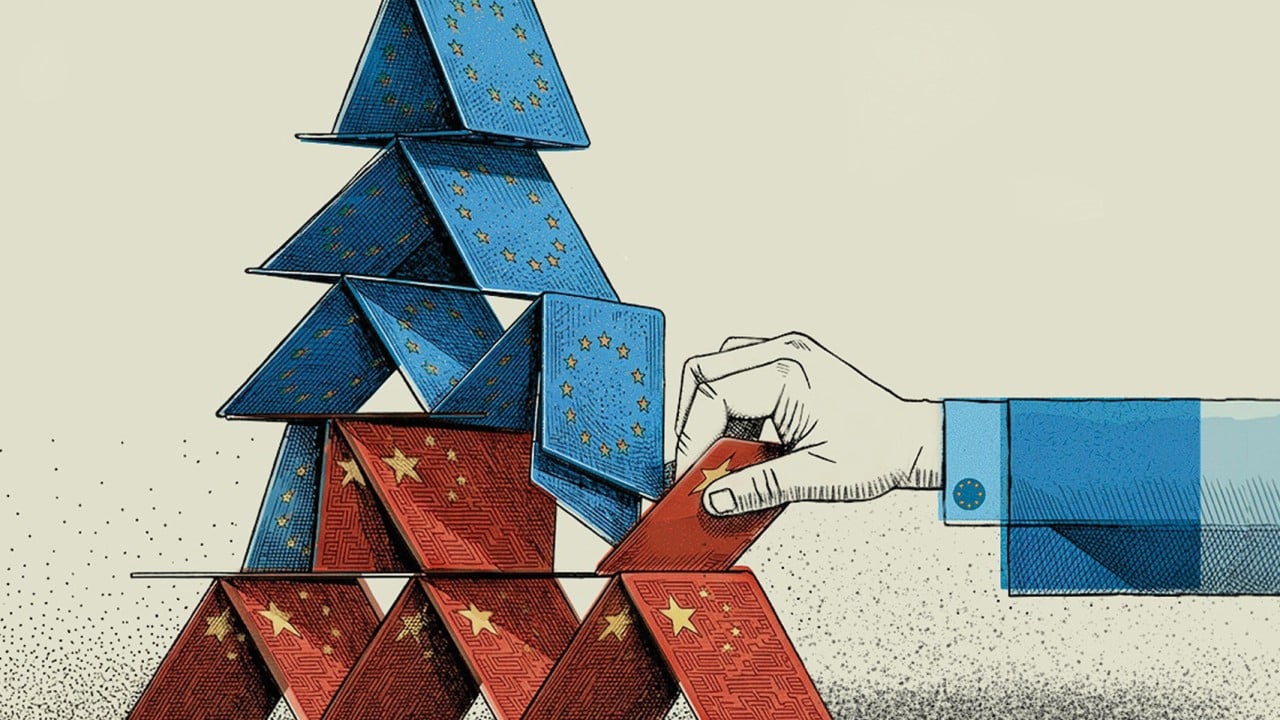
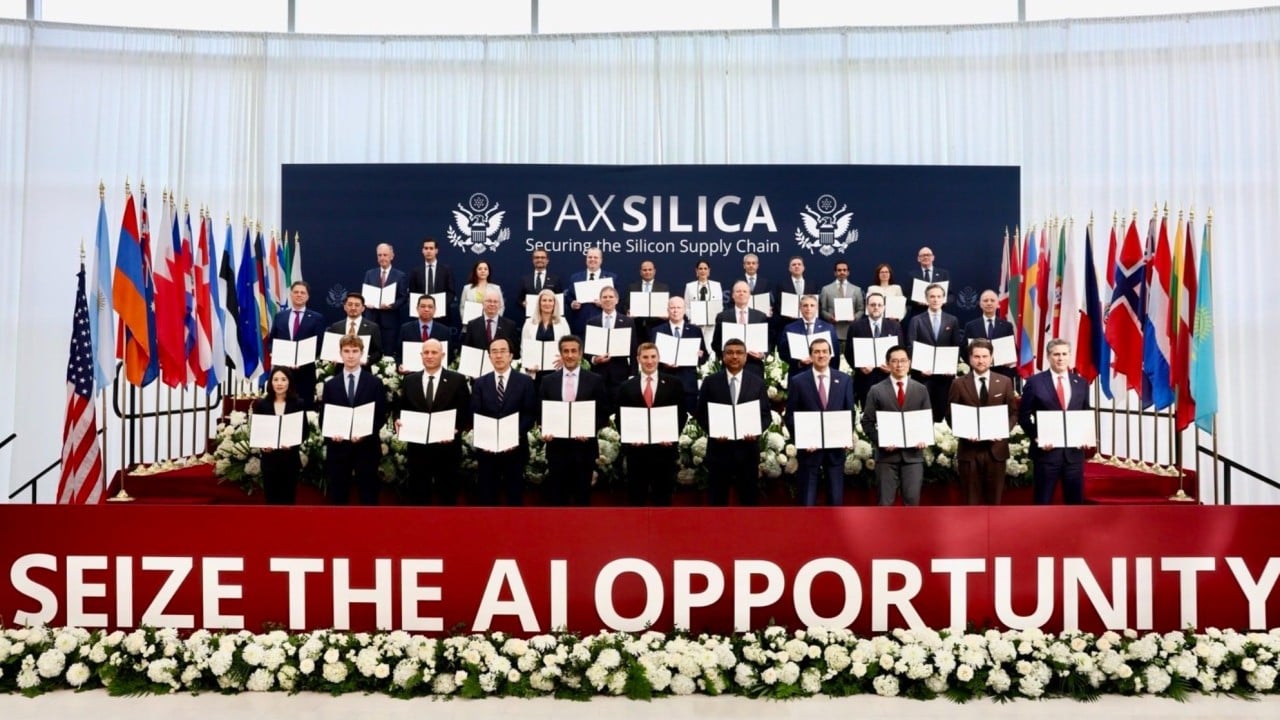
The global competition for leadership in artificial intelligence is intensifying, with the United States and its allies seeking to break China's dominance in critical minerals and AI technology. A key focus is reducing reliance on China for rare earth elements and other vital minerals necessary for AI development.
Jacob Helberg, the US undersecretary of state for economic affairs, emphasized that allies were put on alert by China's past export controls on critical minerals. "When it comes to the world, our allies were really put on alert by China’s export controls of minerals that have really come back to bite them in pretty serious ways," Helberg stated in an exclusive interview.
China's imposition of export controls on seven rare earth elements in April last year, in response to US tariffs, triggered a scramble for supplies and led to factory shutdowns in developed nations, including the United States. This action underscored the vulnerability of global supply chains heavily dependent on Chinese resources.
Although a temporary truce in October between the US and China resumed the flow of exports, the issue of supply shortages persists. Countries such as Japan continue to face difficulties in securing these essential materials, highlighting the ongoing strategic challenge for the US and its allies to establish alternative and secure supply chains for rare earths and critical minerals.
When it comes to the world, our allies were really put on alert by China’s export controls of minerals that have really come back to bite them in pretty serious ways.
DistantNews Editorial
Originally published by South China Morning Post. Summarized and contextualized by our editorial team with added local perspective. Read our editorial standards.
More Stories

From Our Blog

Countries Without a Free Press: What You Need to Know

What Press Freedom Means for the News You Read

What Gets Lost (and Found) When News Is Translated

The Critical Role of Diaspora Media in Global News

What Travellers Should Know About Countries with Restricted Press
