

EU Lawmakers Arrive in China for High-Stakes Talks to Manage Mounting Tensions
Translated from English, summarized and contextualized by DistantNews.
At a glance
News
Named sources
Ongoing story
- A European Parliament delegation is visiting China for high-level talks to address strained ties and escalating tensions.
- Discussions will focus on geopolitical fallout, economic imbalances, the Russia-Ukraine war, human rights, and Indo-Pacific stability.
- The visit marks a resumption of institutional exchanges frozen since 2021, aiming to manage complex bilateral relations.
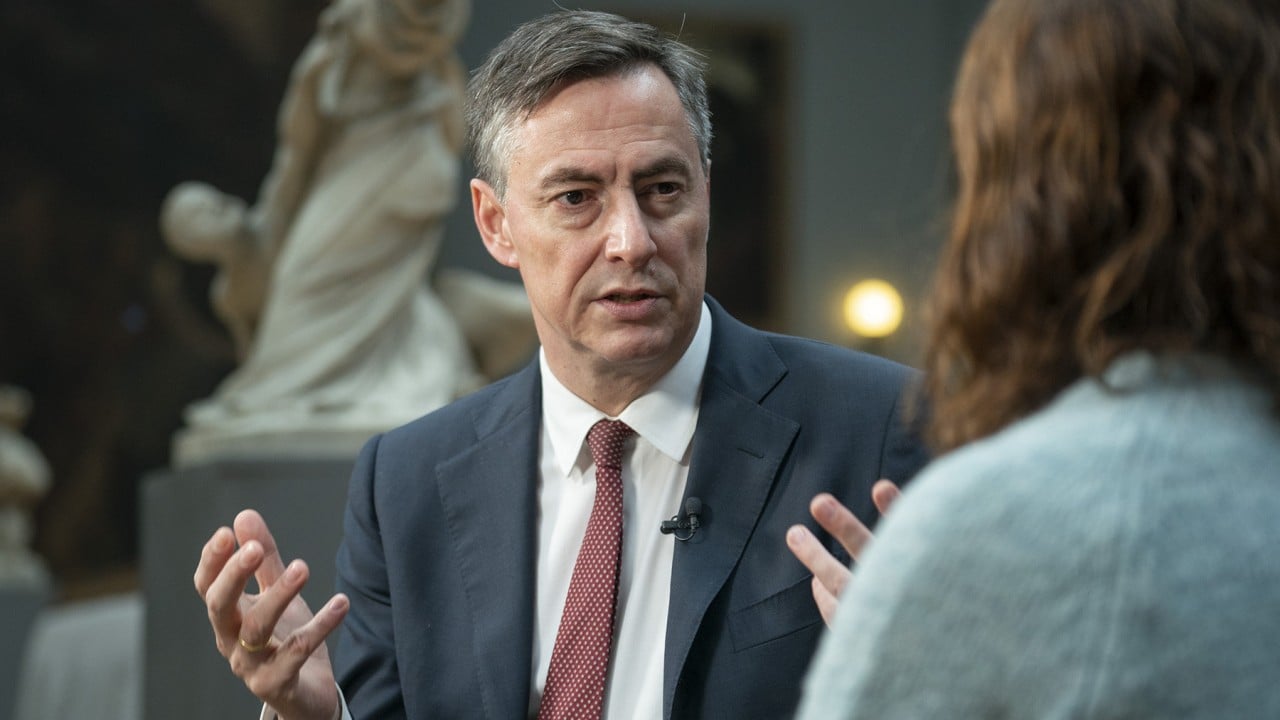
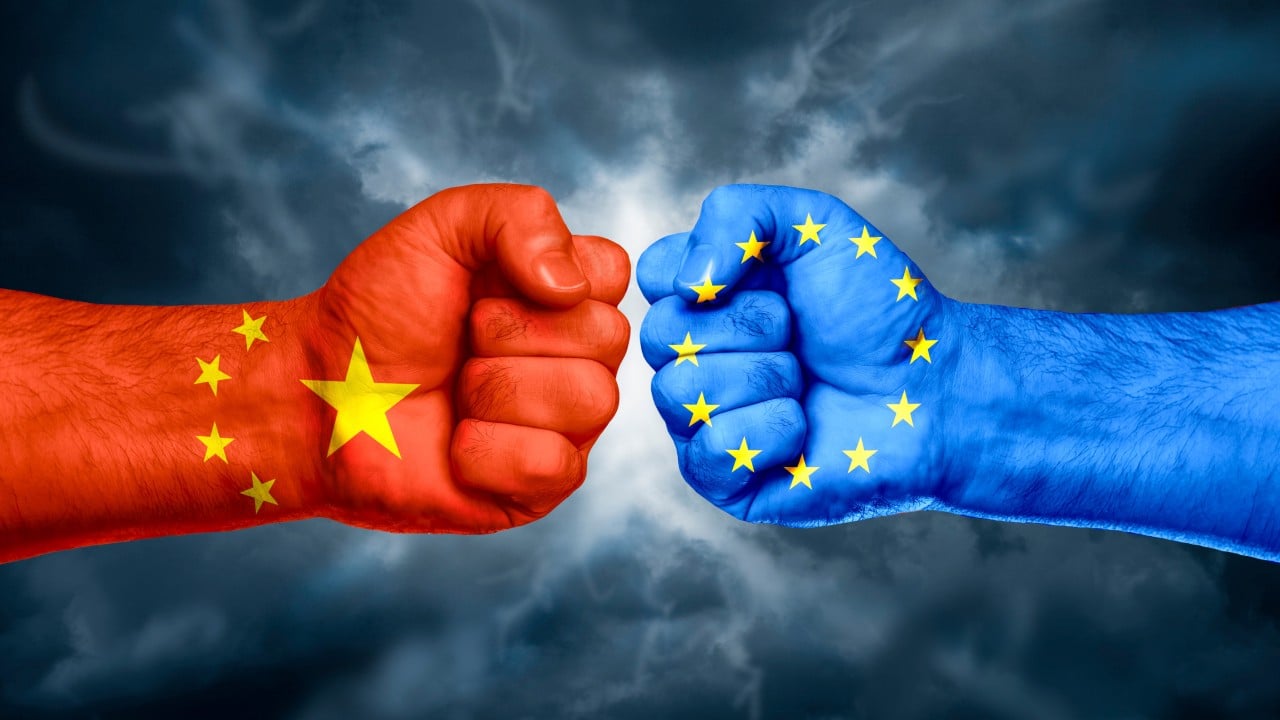
A delegation of eight members from the European Parliament’s Committee on Foreign Affairs has arrived in China for a three-day visit aimed at managing strained bilateral ties. Led by committee chairman David McAllister, the lawmakers will meet senior officials in Beijing and Shanghai.
The visit signals a resumption of institutional exchanges, which were halted in 2021 due to sanctions related to Xinjiang. The delegation's agenda includes discussions on the "evolving and multifaceted" relationship between the EU and China. Key topics will encompass the geopolitical consequences of rising economic imbalances, the impact of the Russia-Ukraine war, China's human rights record, and stability in the Indo-Pacific region.
The discussion would focus on “evolving and multifaceted” ties, particularly on the geopolitical fallout of rising economic imbalances, the Russia-Ukraine war, human rights in China and stability in the Indo-Pacific region.
In Shanghai, the lawmakers are scheduled to meet municipal officials and representatives from the tech sector. Discussions there will cover critical issues such as tech sovereignty, competition, and the global governance of artificial intelligence. The EU may also seek to leverage China's influence over Russia to encourage concessions and advance peace talks in the Ukraine conflict, a point of ongoing tension between Beijing and Brussels.
Beijing has consistently denied accusations of aiding Moscow, including recent claims of assisting in the training of Russian troops. Cui Hongjian, head of European studies at Beijing Foreign Studies University, suggested that "To resolve the conflict, the EU should establish a basis for constructive dialogue with China rather than making unilateral accusations or demands."
To resolve the conflict, the EU should establish a basis for constructive dialogue with China rather than making unilateral accusations or demands.
DistantNews Editorial
Originally published by South China Morning Post in English. Translated, summarized, and contextualized by our editorial team with added local perspective. Read our editorial standards.
More Stories
From Our Blog

Countries Without a Free Press: What You Need to Know

What Press Freedom Means for the News You Read

What Gets Lost (and Found) When News Is Translated

The Critical Role of Diaspora Media in Global News

What Travellers Should Know About Countries with Restricted Press
