

Canada Escalates Trade Dispute, Imposing Up to 50% Retaliatory Tariffs on U.S. Imports
Translated from German, summarized and contextualized by DistantNews.
At a glance
News
Sources not specified
Ongoing story
- Canada has imposed retaliatory tariffs of up to 50 percent on imports from the United States, escalating a trade dispute.
- The tariffs, effective September 8, target $27.6 billion worth of U.S. goods, mirroring U.S. tariffs on Canadian products.
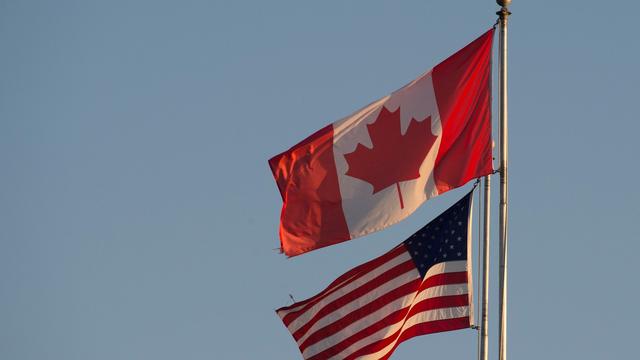
- This action follows the failure of trade talks between Washington and Ottawa, with both countries imposing significant duties on each other's goods.
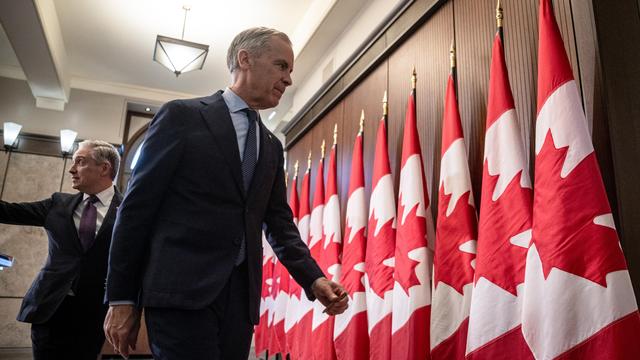
The escalating trade dispute between the United States and Canada has reached a new level as Canada announced retaliatory tariffs of up to 50 percent on imports from its neighbor. Canadian Finance Minister François-Philippe Champagne stated that effective September 8, Canada will impose counter-tariffs ranging from 15, 25, or 50 percent on U.S. imports valued at $27.6 billion. He emphasized that Canada's tariffs would correspond to the U.S. tariffs on similar Canadian goods.
This move comes after trade talks between Washington and Ottawa collapsed last week, leading to a tit-for-tat escalation. The U.S. had previously imposed 50 percent tariffs on approximately $20 billion worth of Canadian goods, including items like hockey sticks, furniture, honey, and wine. Canadian Prime Minister Mark Carney had pledged reciprocal measures, which have now been detailed.
For every product, our tariff would correspond to the American tariff on the same type of Canadian goods.
Earlier, President Trump had threatened to increase import duties on cars, trucks, auto parts, and steel to 50 percent starting January 1, 2027. The article notes that companies might seek to circumvent these tariffs by producing goods within the U.S., as they have in the past. In 2024, 85 percent of all cars exported from Canada were destined for the United States. Currently, the U.S. is imposing 25 percent tariffs on imported cars, trucks, and related parts, based on Section 232 of the Trade Expansion Act of 1962, alongside import duties of 10 to 50 percent on steel, aluminum, and copper.
Canadian officials expressed their desire for a mutually beneficial agreement but stated they would not wait idly. "Our preferred solution was an agreement that benefits both countries. We still believe this is possible. But in the meantime, we are not waiting idly for a call," said Canadian Trade Minister Dominic LeBlanc. Prime Minister Carney had previously indicated that negotiations revealed the U.S. intended to "destroy" key Canadian industries such as automotive, steel, and aluminum. Trump has justified his tariffs by claiming Canada has been "exploiting" the United States for years and that his country is not dependent on trade with its neighbor. However, U.S. Census data shows Canada is the second-largest trading partner for the U.S., with significant interdependencies, particularly in the energy sector, where Canada is the primary foreign supplier of crude oil to the U.S. Millions of jobs in both countries rely on this trade relationship.
Our preferred solution was an agreement that benefits both countries. We still believe this is possible. But in the meantime, we are not waiting idly for a call.
DistantNews Editorial
Originally published by Die Zeit in German. Translated, summarized, and contextualized by our editorial team with added local perspective. Read our editorial standards.
More Stories



From Our Blog

What Gets Lost (and Found) When News Is Translated

How the Same Story Looks Different in Different Countries

The Critical Role of Diaspora Media in Global News

What Travellers Should Know About Countries with Restricted Press

A Digital Nomad's Guide to Following Local News
