

Canada Responds to U.S. Tariffs as German Economy Recovers and Bitcoin Surges
Translated from Polish, summarized and contextualized by DistantNews.
At a glance
News
Sources not specified
Context piece
- Canada and the U.S. are escalating a trade war with new tariffs on autos, steel, and electronics after trade negotiations failed.
- Artificial intelligence is reducing demand for tutors, with significant drops in inquiries for foreign language and computer skills, and falling prices for math tutoring.
- Germany's economy shows signs of recovery with a 0.3% GDP growth and rising business climate index, potentially benefiting Poland's industry.
- Bitcoin's value surged about 25% in a week, attracting institutional investment and indicating extreme investor greed, though experts warn of potential corrections.
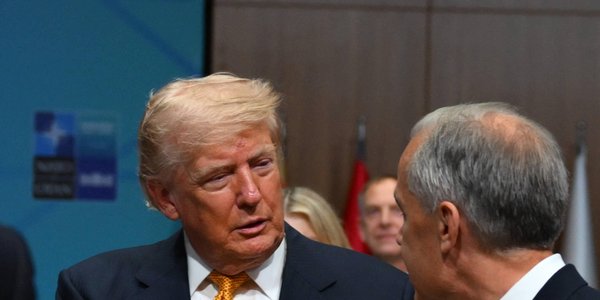
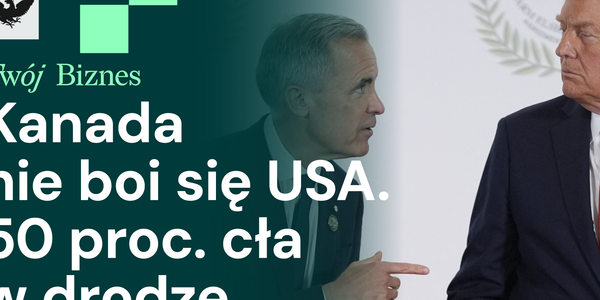
Canada and the United States are locked in an escalating trade dispute following failed negotiations. U.S. President Donald Trump announced new tariffs on Canadian auto imports, prompting Canada to retaliate with 50% tariffs on American steel, aluminum, and furniture, and 25% on electronics. Canadian Prime Minister Mike Carney stated the country is open to talks but will not yield to U.S. pressure. The dispute also involves Canada's trade relations with China, with the U.S. reportedly seeking to limit Ottawa's ability to strike deals with third countries.
In the education sector, artificial intelligence is significantly disrupting the tutoring market. Data from Oferteo shows a 66% decrease in demand for foreign language tutors and an 80% drop for computer courses since 2022. Chatbots offer a readily available and often free alternative to traditional tutoring. For the first time in recorded history, math tutoring prices have also fallen, with chemistry, biology, and physics sessions becoming cheaper.
Germany's economy is showing positive momentum. The country's GDP grew by 0.3% quarter-over-quarter in the second quarter, and the Ifo business climate index reached its highest point in over a year at 88.8 points in August. Improved corporate performance, industrial output, and exports contribute to this recovery. Potential infrastructure investments could further boost the German economy, which would also be beneficial for Poland's industry, given its strong ties to Germany.
Bitcoin has seen a significant resurgence in investor interest, climbing approximately 25% in value within a week and reaching $81,000. This rally is accompanied by a return of institutional capital, with over $2.5 billion flowing into ETFs investing in major cryptocurrencies in six days. The crypto market's fear and greed index hit 92, signaling extreme investor greed. However, experts caution about the risk of a correction, noting that Bitcoin has historically experienced much larger drops.
Our country is still ready to talk, but we will not succumb to Washington's pressure.
DistantNews Editorial
Originally published by Rzeczpospolita in Polish. Translated, summarized, and contextualized by our editorial team with added local perspective. Read our editorial standards.
More Stories

From Our Blog

What Gets Lost (and Found) When News Is Translated

The Critical Role of Diaspora Media in Global News

What Travellers Should Know About Countries with Restricted Press

A Digital Nomad's Guide to Following Local News

How the Same Story Looks Different in Different Countries
