

Canada’s 2023 wildfires burned 15.1 million hectares and released 554 million tonnes of carbon
Summarized and contextualized by DistantNews.
At a glance
News
Documents & data
Outcome reported
- Canada's 2023 wildfire season burned 15.1 million hectares, releasing 554 million tonnes of carbon.
- Unprecedented fires released vast amounts of carbon from ancient underground soil and peat.
- Subterranean fires are resilient, turning carbon sinks into emission sources and worsening global warming.
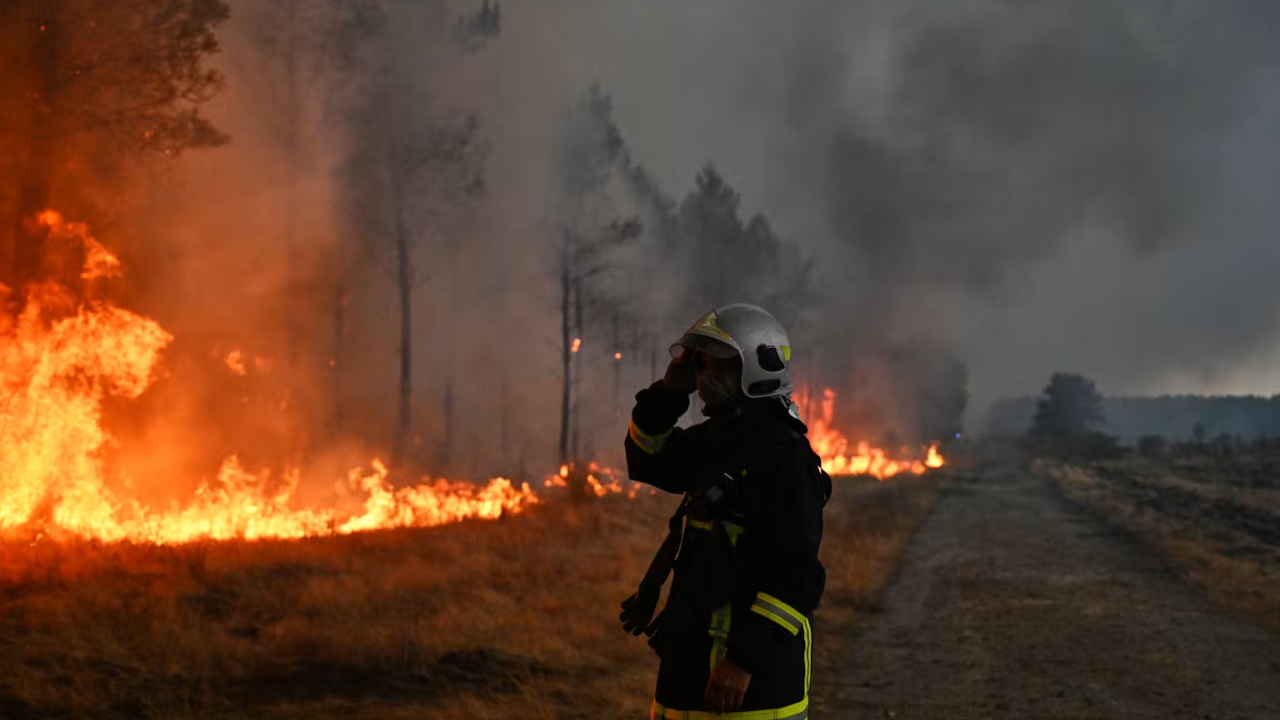
Canada endured an unprecedented wildfire season in 2023, burning a staggering 15.1 million hectares and releasing an immense 554 million tonnes of carbon dioxide equivalent. The scale of the devastation was amplified by fires that ignited deep underground, consuming ancient soil and peat. These subterranean blazes are particularly concerning due to their resilience and ability to release long-stored carbon accumulated over millennia.
The fires transformed critical carbon sinks into potent sources of greenhouse gas emissions. This process not only contributes significantly to global warming but also intensifies the risk of future wildfire events. The long-term environmental consequences of these deep-seated fires are substantial, impacting ecosystems and exacerbating climate change challenges.
The sheer volume of carbon released underscores the severity of the 2023 wildfire season, marking it as a critical event in Canada's environmental history. The ongoing threat posed by underground fires highlights the complex and persistent nature of climate change impacts.
DistantNews Editorial
Originally published by Times of India. Summarized and contextualized by our editorial team with added local perspective. Read our editorial standards.
More Stories

From Our Blog

What Press Freedom Means for the News You Read

What Gets Lost (and Found) When News Is Translated

The Critical Role of Diaspora Media in Global News

What Travellers Should Know About Countries with Restricted Press

A Digital Nomad's Guide to Following Local News
