


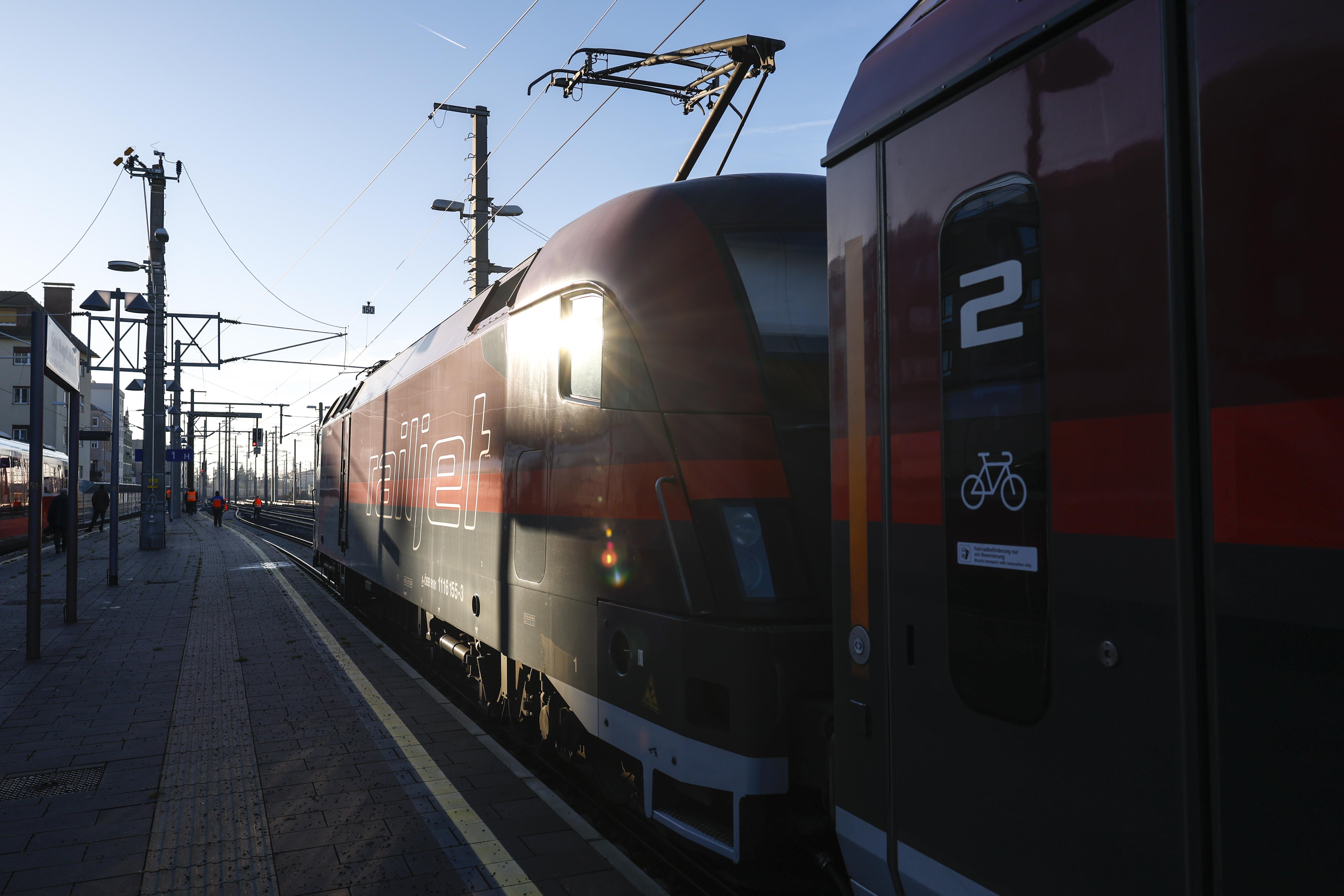
Car traffic on Südautobahn drops significantly due to Koralmbahn railway
Translated from German, summarized and contextualized by DistantNews.
At a glance
News
Named sources
Context piece
- Car traffic on Austria's Südautobahn (A2) decreased by 4.6% in the first half of 2026, significantly more than the national average.
- The reduction is attributed to the opening of the Koralmbahn railway, which shifted journeys from road to rail.
- Rising fuel prices due to the Iran war also contributed to a general decrease in car traffic across Austria.
Car traffic on Austria's Südautobahn (A2) saw a notable decrease of 4.6% in the first half of 2026, a decline significantly steeper than the national average, according to the Austrian Traffic Club (VCÖ). This reduction in the Koralm corridor contrasts sharply with a nationwide decrease of only 0.6% in car traffic.
The VCÖ attributes this shift primarily to the opening of the Koralmbahn railway line. "Just as after the expansion and acceleration of the Westbahn line in 2012, the Koralmbahn has also led to a shift of car journeys to the train," said VCÖ expert Klara Maria Schenk. The data, based on Asfinag figures, showed a 3.6% decrease in the Styrian section of the corridor and an even more pronounced 6.3% drop in the Carinthian section.
Beyond the impact of the new railway, rising fuel prices, influenced by the Iran war, also played a role in the broader decline of car usage across Austria. At 61% of counting points, fewer passenger cars were registered compared to the first half of 2025. Conversely, truck traffic increased at 81% of counting points.
The VCÖ believes that while the Koralmbahn's positive effect is clear, further accompanying measures could enhance its impact. They suggest companies could offer incentives for commuters to switch to rail, while tourism regions and destinations could implement measures for leisure travelers. The club also noted that Austria is underutilizing its potential for increasing transport efficiency, citing a passenger car occupancy rate of 1.14, meaning an average of 88 cars are needed to transport 100 people.
Just as after the expansion and acceleration of the Westbahn line in 2012, the Koralmbahn has also led to a shift of car journeys to the train.
DistantNews Editorial
Originally published by Die Presse in German. Translated, summarized, and contextualized by our editorial team with added local perspective. Read our editorial standards.
More Stories


From Our Blog

What Gets Lost (and Found) When News Is Translated

The Critical Role of Diaspora Media in Global News

What Travellers Should Know About Countries with Restricted Press

A Digital Nomad's Guide to Following Local News

How the Same Story Looks Different in Different Countries
