


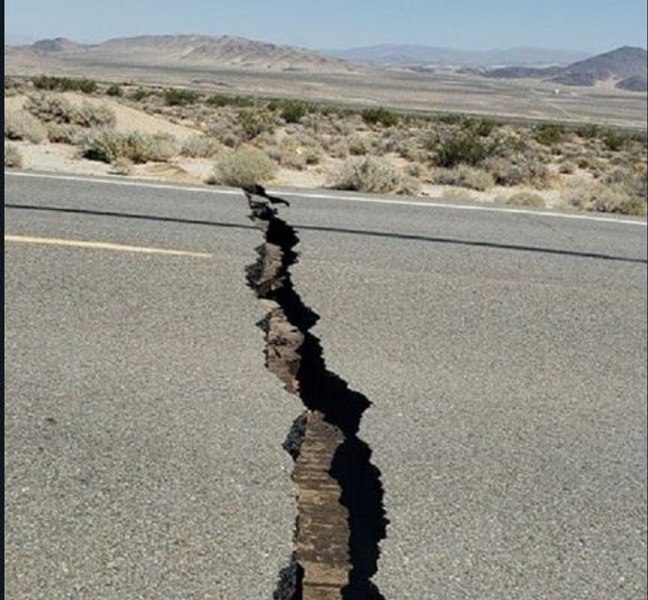
Cascadia Quake Could Trigger Major San Andreas Fault Event, Study Finds
Translated from Romanian, summarized and contextualized by DistantNews.
At a glance
News
Sources not specified
New plan
- A new study suggests a magnitude 9 earthquake on the Cascadia subduction zone could trigger a major earthquake on California's San Andreas Fault.
- This potential "chain reaction" could lead to devastating consequences for the U.S. West Coast.
- Scientists discovered "unusual" evidence pointing to this increased risk.
Scientists have uncovered "unusual" evidence suggesting that a massive magnitude 9 earthquake on the Cascadia subduction zone could trigger a secondary major earthquake along California's San Andreas Fault. This alarming possibility raises the specter of a devastating "chain reaction" that could impact a vast area of the U.S. West Coast.
The Cascadia subduction zone, stretching from Northern California to British Columbia, is known to be capable of producing "The Big One," a catastrophic earthquake. However, the new research indicates a potential, previously underestimated, link between seismic activity in Cascadia and the San Andreas Fault, a major strike-slip fault running through California.
While the exact mechanisms and probabilities are still under investigation, the discovery implies that a massive rupture in the north could destabilize the southern fault system. The combined impact of two such colossal earthquakes would be catastrophic, causing widespread destruction, infrastructure collapse, and immense human suffering across multiple states.
DistantNews Editorial
Originally published by Adevărul in Romanian. Translated, summarized, and contextualized by our editorial team with added local perspective. Read our editorial standards.
More Stories

From Our Blog

What Gets Lost (and Found) When News Is Translated

The Critical Role of Diaspora Media in Global News

What Travellers Should Know About Countries with Restricted Press

A Digital Nomad's Guide to Following Local News

How the Same Story Looks Different in Different Countries
