

Forgotten Chernobyl-era tragedy: Radioactive blue powder spread death in Goiânia
Translated from Romanian, summarized and contextualized by DistantNews.
At a glance
News
Official statement
Context piece
- A 1987 radiological accident in Goiânia, Brazil, involving stolen radioactive material, is highlighted by a new Netflix miniseries.
- The accident occurred when people were fascinated by a glowing blue powder from a cesium-137 capsule, leading to contamination and deaths.
- The miniseries "Radioactive Emergency" has gained global popularity, reaching Netflix's top global rankings for non-English productions.
Nearly four decades after a tragic radiological accident in Goiânia, Brazil, the event is regaining public attention through the Netflix miniseries "Radioactive Emergency." The disaster, which unfolded in September 1987, involved a stolen radioactive source that spread death and contamination throughout the city.
The incident began when two scavengers broke into an abandoned radiotherapy clinic and removed a medical device containing lead. Unbeknownst to them, the device housed a capsule of cesium-137. Fascinated by the glowing blue powder emitted by the material, they took it home, shared it with relatives, and even played with it, unaware of the severe danger they were exposing themselves and others to.
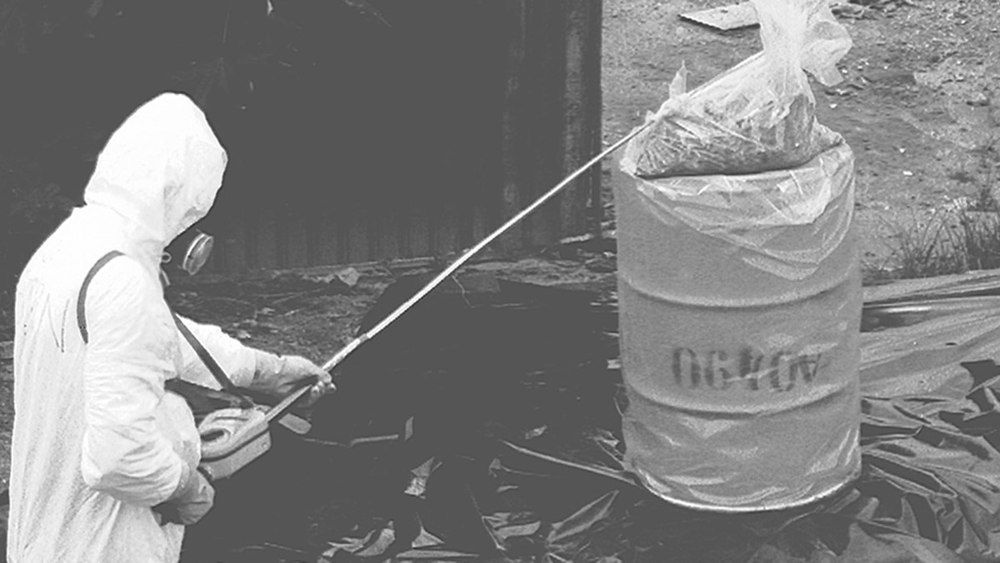
This careless handling led to one of history's most severe radiological accidents. Four people died, and 249 others were contaminated. In response, authorities examined over 112,800 individuals, isolated parts of the city, demolished contaminated buildings, and collected approximately 3,500 cubic meters of radioactive waste.
The Netflix miniseries, released on March 18, 2026, chronicles the efforts of doctors and specialists to identify contaminated individuals and contain the spread of the radioactive material. The production has achieved significant international success, reaching the number one spot on Netflix's global charts for non-English language productions within its first two weeks, garnering over 10.8 million views and appearing in the top rankings of 55 countries.
DistantNews Editorial
Originally published by Adevărul in Romanian. Translated, summarized, and contextualized by our editorial team with added local perspective. Read our editorial standards.
More Stories


From Our Blog

What Gets Lost (and Found) When News Is Translated

The Critical Role of Diaspora Media in Global News

What Travellers Should Know About Countries with Restricted Press

A Digital Nomad's Guide to Following Local News

How the Same Story Looks Different in Different Countries
