


Caspian Seal Conservation Faces New Challenges as Sea Changes
Summarized and contextualized by DistantNews.
At a glance
News
Sources not specified
Context piece
- The Caspian seal, found exclusively in the Caspian Sea and listed as endangered in Kazakhstan, faces new conservation challenges due to environmental changes.
- Declining water levels, warmer winters, pollution, and fishing nets threaten traditional breeding and resting areas, requiring adaptive protection measures.
- Scientists are monitoring the seals' habitat and population to understand the impact of climate change and human activities on the species' survival and the broader Caspian ecosystem.
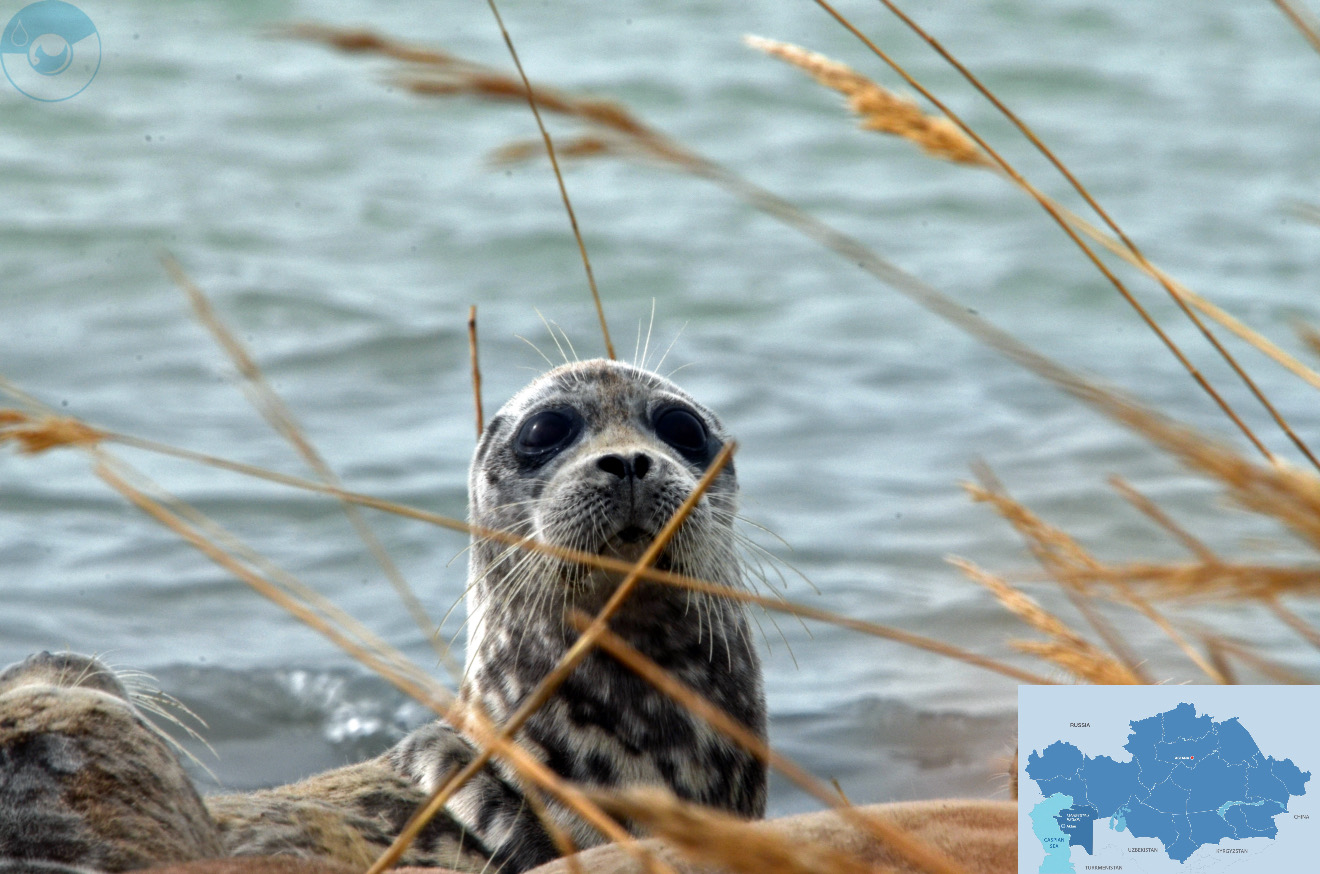
The Caspian seal, the sole seal species inhabiting the Caspian Sea, is grappling with unprecedented conservation hurdles. Listed in Kazakhstan's Red Book of Endangered Species since November 2020, the species' survival is increasingly threatened by a changing environment. Traditional breeding grounds on the northern Caspian's winter ice fields are becoming less reliable due to declining water levels and warmer winters.
Researchers are shifting their focus from merely protecting known habitats to adapting conservation strategies for a dynamic Caspian Sea. The formation of new islands presents both challenges and opportunities, as these may become vital resting and breeding areas requiring timely protection. Scientists are actively conducting aerial surveys and analyzing data to understand how the retreating sea alters seal distribution and to identify these emerging habitats.
As the sea regresses, seals lose their traditional habitats. However, new islands are forming, and it is crucial that they remain safe for the seals.
Climate change exacerbates existing human-related risks, including pollution, fishing gear entanglement, shipping, oil activities, and poaching. The seals' reliance on ice for breeding in the northern Caspian makes them particularly vulnerable to increasingly frequent warmer winters. Conservation efforts have included removing tonnes of discarded fishing nets and plastic waste from seal habitats, mitigating direct threats.
The Caspian seal serves as a crucial indicator of the Caspian ecosystem's overall health. As a top predator, its status reflects changes throughout the food chain, impacting hundreds of endemic invertebrates, fish species, and migratory birds. Ongoing monitoring is essential to understand these complex interactions and to inform effective, adaptive conservation measures for this unique species.
Seals breed on the ice of the northern Caspian, but with warmer winters becoming more frequent, we are facing a critical question: can the species adapt to these changes and survive?
DistantNews Editorial
Originally published by The Astana Times. Summarized and contextualized by our editorial team with added local perspective. Read our editorial standards.
More Stories


From Our Blog

What Gets Lost (and Found) When News Is Translated

The Critical Role of Diaspora Media in Global News

What Travellers Should Know About Countries with Restricted Press

A Digital Nomad's Guide to Following Local News

How the Same Story Looks Different in Different Countries
