

Celebrating Vietnam’s Independence Tet
Translated from Vietnamese and summarized by DistantNews. Read the original for the full story.
At a glance
In-depth
Sources not specified
Context piece
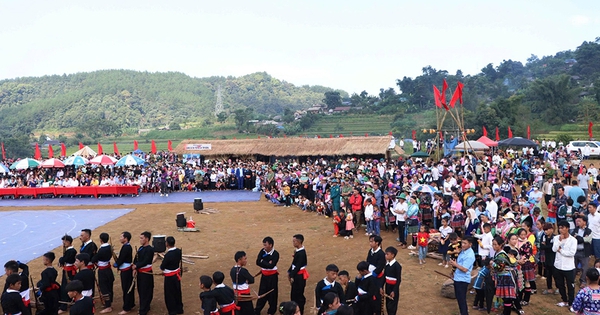
- Hmong communities in Vietnam’s northwest gather on Sept. 2 in Mộc Châu to celebrate Independence Day with traditional clothing, music, dancing, courtship, and reunions.
- The writer recalls a family tradition of marking the holiday with meals and gatherings, including difficult journeys during the subsidy period.
- The celebration continued after the writer’s parents died and remains a source of family memory, happiness, and regret.
For Vietnam’s Hmong communities, Sept. 2 is more than a national holiday. It is the biggest, most beautiful, and most memorable Tet of the year.
Around Independence Day, people from Hmong villages across the northwest travel to the Mộc Châu Plateau in Sơn La province. Women prepare traditional dresses for themselves and their families, often spending a year sewing the clothing for the celebration. The writer recalls meeting Hmong people in Hà Giang, now part of Tuyên Quang, and learning that a girl’s hand-sewn outfit can take as long as three years to complete when it is not being made specifically for Tet.
The holiday brings young Hmong men and women together to meet, court, and exchange words of affection. The plateau fills with the sounds of bamboo mouth organs, leaf horns, and lively dances. For the community, the writer says, Independence Tet is a festival of love and happiness.
The writer’s own family began celebrating the holiday in Hanoi. The parents invited a few beloved guests, but the gathering mainly belonged to the family. The writer’s father considered Sept. 2 equal in importance to Lunar New Year, and the tradition followed the family to Quảng Ngãi.
During the difficult subsidy period, bus tickets were hard to obtain, yet the writer, their spouse, and their two children still traveled from Quy Nhơn to the family home in Đức Tân, Mộ Đức. After the writer’s parents died, the family continued celebrating in Quảng Ngãi. Friends came in large numbers, and the writer’s wife prepared simple but delicious dishes.
Looking back, the writer remembers that the family remained happy even when it was poor because the parents were still there. A 1986 family photograph now brings sadness. The writer’s wife once said that if the province had been divided three years earlier, they could have lived near the parents and cared for them every week. The writer agrees, recalling how deeply the parents loved the wife and how devotedly she cared for them.
About this summary
Originally published by Thanh Niên in Vietnamese. Translated, summarized, and contextualized automatically by DistantNews, with a note on how the source frames the story. Not individually reviewed before publishing. How this works.
More Stories
From Our Blog

What Gets Lost (and Found) When News Is Translated

The Critical Role of Diaspora Media in Global News

What Travellers Should Know About Countries with Restricted Press

A Digital Nomad's Guide to Following Local News

How the Same Story Looks Different in Different Countries
