


Celestial Event: Partial Solar Eclipse 2026 - What Bavarians Need to Know
Translated from German, summarized and contextualized by DistantNews.
At a glance
News
From a news agency
Context piece
- Bavaria is well-positioned to witness a partial solar eclipse on Wednesday, August 9, 2026, shortly before sunset.
- The extent of the eclipse will be greater in the southwest of Germany, with Lindau experiencing about 90% coverage.
- Special, certified eclipse glasses are required to safely view the event, as normal sunglasses are insufficient and looking directly at the sun can cause permanent vision loss.
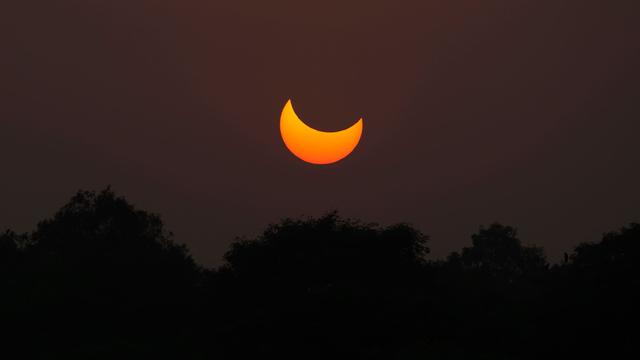
Residents in Bavaria have excellent prospects for observing a partial solar eclipse on Wednesday, August 9, 2026. The celestial event will occur shortly before sunset, offering a dramatic spectacle across the region. Bavaria is among the German states where the moon will obscure the largest portion of the sun's disk.
The eclipse's visibility and coverage will vary across Germany, with southern and western areas offering the best views. In Hof, approximately 87% of the sun will be covered, while Lindau on Lake Constance will experience about 90%. Munich and Nuremberg will see coverage around 89% and 88%, respectively. The eclipse is expected to begin around 7:22 PM in Munich, reach its maximum at approximately 8:15 PM, and conclude with sunset around 8:32 PM.
Weather forecasts predict sunny conditions throughout most of Bavaria, with clear skies expected for the night. However, localized thunderstorms near the Alps could potentially obscure the view in those specific areas. For those eager to witness this rare event, which won't have a comparable occurrence until 2081, safety precautions are paramount.
It is crucial to use only certified solar eclipse glasses that meet EU standards (DIN EN ISO 12312-2:2015). Regular sunglasses are inadequate and can lead to severe, permanent eye damage. The Federal Office for Radiation Protection (BfS) strongly warns against makeshift viewing methods, such as using CDs, and advises extreme caution with optical instruments like binoculars or telescopes, which can concentrate the sun's rays and cause immediate harm. Special filter attachments are recommended for such equipment.
Looking at the sun can damage the retina in the shortest possible time, leading to permanently impaired vision or even complete loss of sight.
DistantNews Editorial
Originally published by Die Zeit in German. Translated, summarized, and contextualized by our editorial team with added local perspective. Read our editorial standards.
More Stories



From Our Blog

What Gets Lost (and Found) When News Is Translated

How the Same Story Looks Different in Different Countries

The Critical Role of Diaspora Media in Global News

What Travellers Should Know About Countries with Restricted Press

A Digital Nomad's Guide to Following Local News
