


Central Asia Explores Islamic Finance for Global Connectivity
Translated from English, summarized and contextualized by DistantNews.
At a glance
News
Named sources
New plan
- Uzbekistan is developing regulatory and market infrastructure to foster Sharia-compliant investment and attract global capital.
- The country is implementing Islamic finance in stages, starting with microfinance, then banking, and soon capital markets.
- A roadmap for the national Islamic finance industry through 2030 has been developed in cooperation with the Islamic Financial Services Board.
Uzbekistan is actively working to integrate Islamic finance into its economic strategy, aiming to create new avenues for connecting with global capital markets. The nation is building the necessary regulatory and market infrastructure to support Sharia-compliant investments.
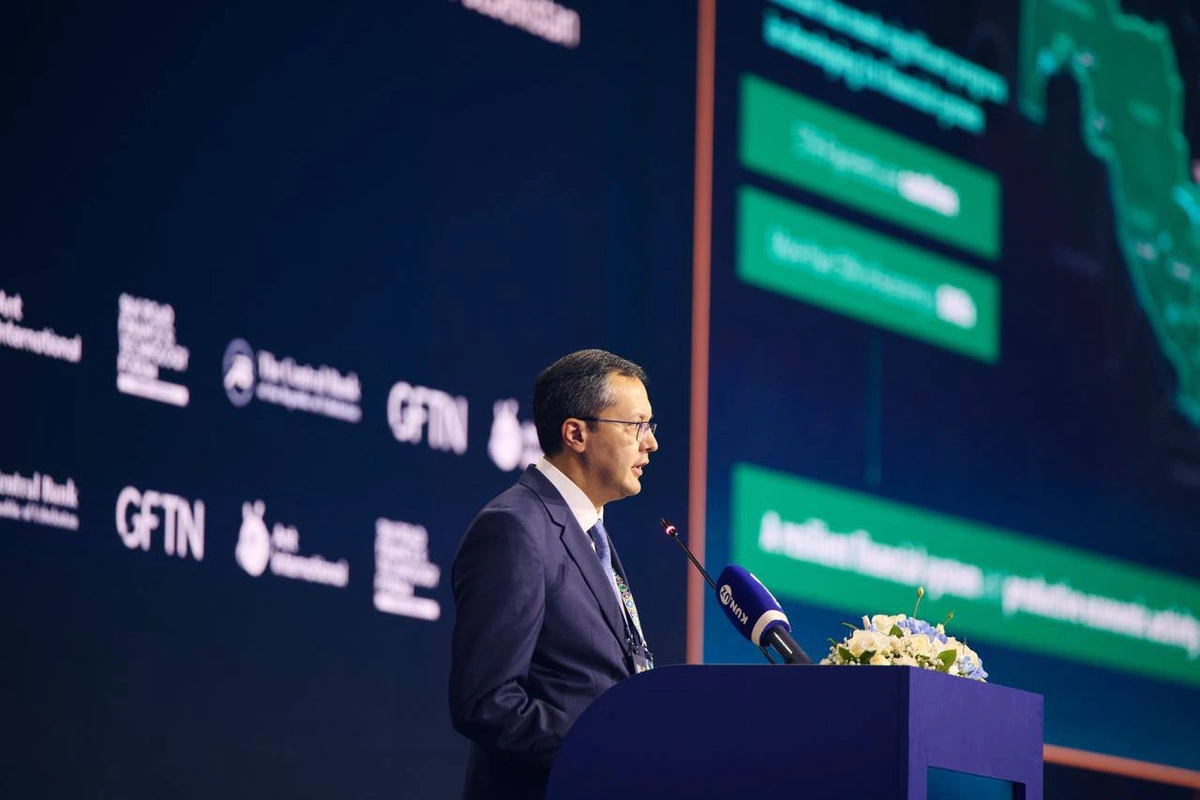
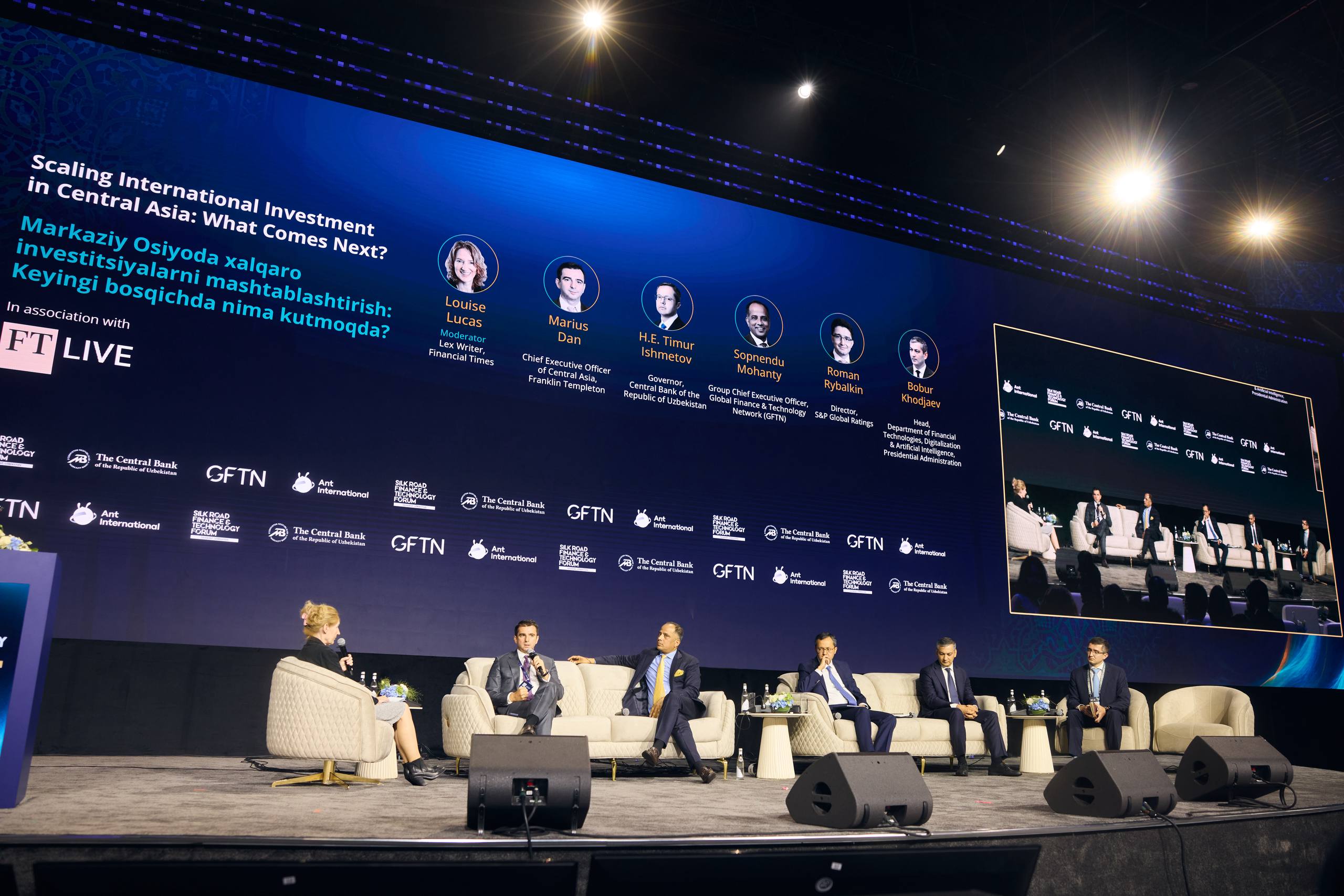
Governor Timur Ishmetov of the Central Bank of Uzbekistan detailed the country's phased approach at the Silk Road Finance & Technology Forum in Tashkent. The initiative focuses on developing Islamic microfinance, banking, and capital markets as part of a larger plan to diversify the financial system and attract international investors. This aligns with broader Central Asian efforts to enhance financial connectivity beyond the region.
One of the key challenges in the development of Islamic finance is ensuring neutrality in taxation of conventional and Islamic financial transactions.
The first stage involved establishing Islamic microfinance services, with twelve organizations now offering Sharia-compliant financial products. The second stage commenced with the enactment of a law on Islamic banking on June 29, creating a legal framework for both standalone Islamic banks and specialized windows within conventional banks. This includes establishing governance structures at both the central bank and individual bank levels.
A key challenge addressed by new legislation is ensuring tax neutrality between conventional and Islamic financial transactions. The framework introduces specific tax regimes, including exemptions from state duties and considerations for value-added and income taxes. The next phase focuses on developing an Islamic capital market, with draft legislation including provisions for Sukuk (Islamic bonds) having passed its first parliamentary reading. Uzbekistan has also collaborated with the Islamic Financial Services Board to create a 2026–2030 roadmap for its national Islamic finance industry, encompassing 39 measures across five key areas.
Furthermore, the two-tier Islamic finance governance framework has been traditioned in accordance with the best industrial practices, including the establishment of a central bank Islamic finance board and Islamic finance boards within conventional banks.
DistantNews Editorial
Originally published by The Astana Times in English. Translated, summarized, and contextualized by our editorial team with added local perspective. Read our editorial standards.
More Stories


From Our Blog

What Gets Lost (and Found) When News Is Translated

The Critical Role of Diaspora Media in Global News

What Travellers Should Know About Countries with Restricted Press

A Digital Nomad's Guide to Following Local News

How the Same Story Looks Different in Different Countries
