


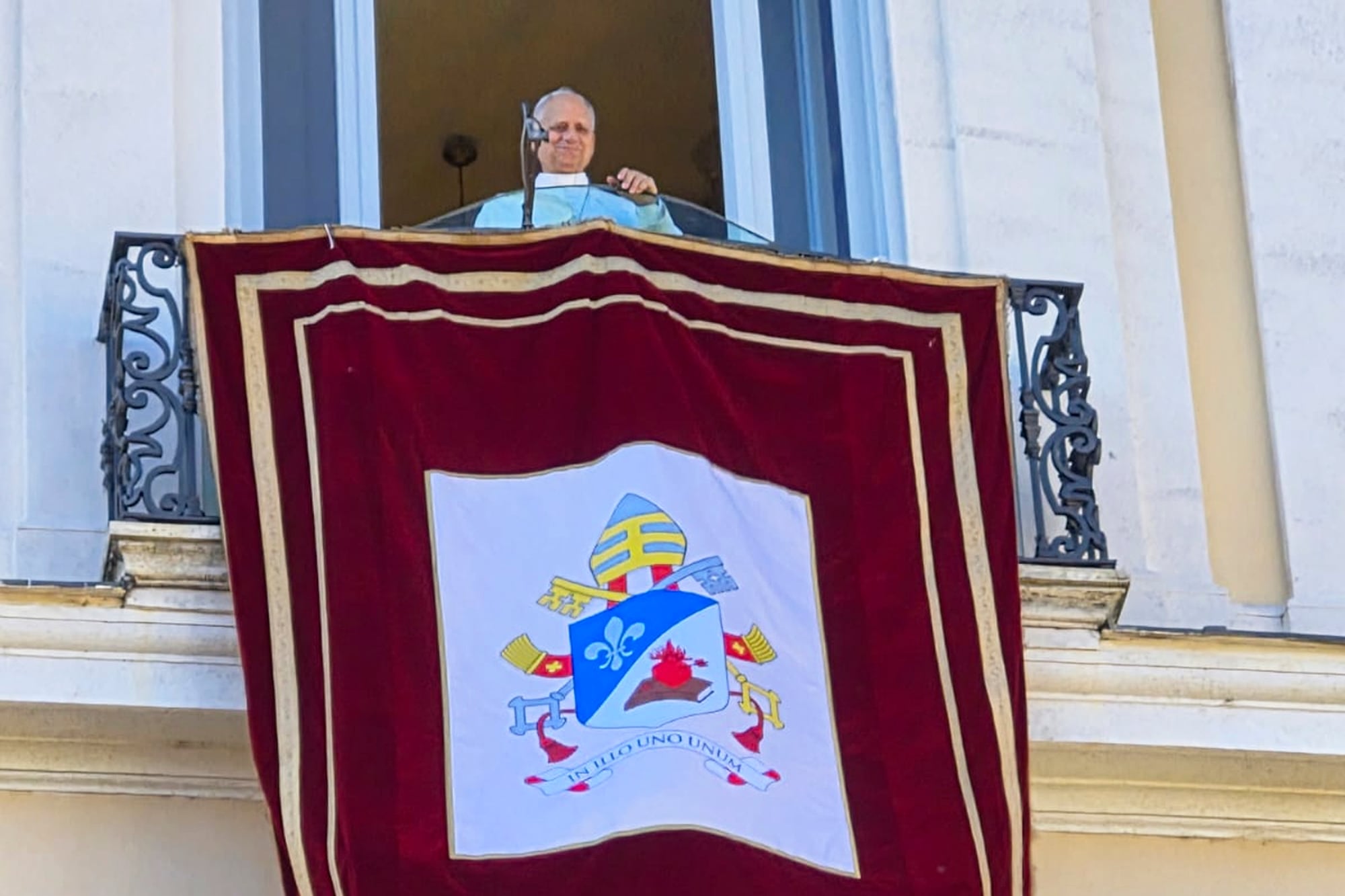
Pope Francis vacations at Castel Gandolfo, reviving tradition
Translated from Spanish, summarized and contextualized by DistantNews.
At a glance
News
Official statement
New plan
- Pope Francis has resumed the tradition of summer holidays at the papal residence in Castel Gandolfo.
- The Pontiff will stay until July 27, with Wednesday general audiences suspended until August 5.
- Unlike his predecessor Pope Benedict XVI, Pope Francis often worked from his Santa Marta residence and focused on ecological projects at Castel Gandolfo.
Pope Francis has begun his summer vacation at the papal residence in Castel Gandolfo, a tradition revived after being paused during his predecessor's pontificate. The Pontiff arrived Sunday at the estate located outside Rome, resuming a practice not followed by Pope Benedict XVI, who lived in the Apostolic Palace of the Vatican.
Francis is scheduled to stay at Castel Gandolfo until July 27. During this period, the usual Wednesday general audiences will be suspended, resuming on August 5. However, he will continue to lead the traditional Sunday Angelus prayer from the Piazza della Libertá in the town.
Castel Gandolfo, situated about 25 kilometers southeast of Rome, is known for its cooler climate and scenic views of the Roman coast. The papal palace and its surrounding villas, which include extensive grounds with olive groves, fruit orchards, and a farm, cover 55 hectares, making it larger than Vatican City itself. These properties have served as a papal summer retreat since the 17th century.
Last year, Pope Francis also spent time at Castel Gandolfo, staying in Villa Barberini. This year, he is residing in the main palace, which has recently been renovated for his use. Unlike Pope Benedict XVI, who embraced the traditional papal summer retreat, Pope Francis has often worked from his residence at Santa Marta, even during vacation periods. He has also focused on ecological initiatives, dedicating parts of the Castel Gandolfo gardens to the "Borgo Laudato Si'" project, an educational center for integral ecology.
DistantNews Editorial
Originally published by La Nación in Spanish. Translated, summarized, and contextualized by our editorial team with added local perspective. Read our editorial standards.
More Stories


From Our Blog

What Gets Lost (and Found) When News Is Translated

The Critical Role of Diaspora Media in Global News

What Travellers Should Know About Countries with Restricted Press

A Digital Nomad's Guide to Following Local News

How the Same Story Looks Different in Different Countries
