


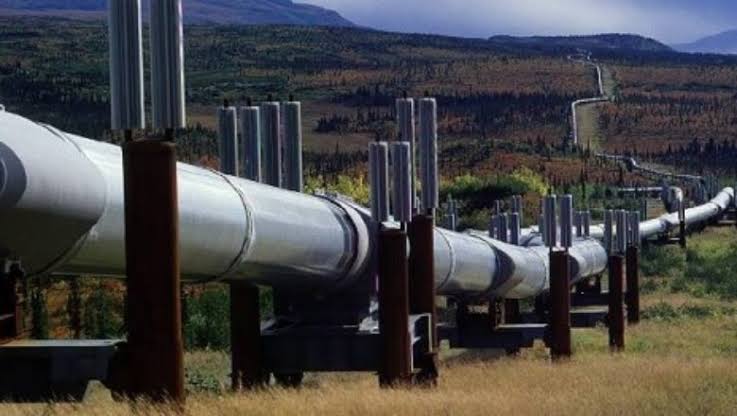
Chad-Cameroon pipeline transit revenues exceed 15 billion FCFA
Translated from French, summarized and contextualized by DistantNews.
At a glance
News
Sources not specified
New plan
- Cameroon collected over 15 billion FCFA in transit fees for Chadian oil between January and May 2026.
- Transit revenues reached 12.15 billion FCFA by the end of April, an 11% increase from the same period in 2025.
- The Chad-Cameroon pipeline, operational since 2003, remains a key energy infrastructure in Central Africa, generating regular revenue for Cameroon.
Cameroon's public finances are benefiting significantly from transit fees for Chadian oil, with revenues exceeding 15 billion FCFA between January and May 2026. The figures underscore the strategic importance of the Chad-Cameroon pipeline.
By the end of April 2026, Cameroon had already collected 12.15 billion FCFA in transit fees. This represents an 11% year-on-year increase compared to the nearly 10.95 billion FCFA recorded in the same period of 2025. This growth is attributed to sustained high volumes of crude oil transported through the pipeline.
The pipeline, which stretches over 1,000 kilometers, connects Chad's oil fields to the offshore terminal in Kribi, Cameroon. Since its commissioning in 2003, it has been a vital piece of energy infrastructure for the sub-region, enabling the export of Chadian oil to international markets and providing Cameroon with consistent revenue through royalties and transit fees.
In an environment where governments are actively seeking budgetary resources, the pipeline's performance reinforces its economic value. It also solidifies Cameroon's role as a major energy corridor in Central Africa, with the financial returns contributing to the state's non-fiscal revenues.
DistantNews Editorial
Originally published by Journal du Cameroun in French. Translated, summarized, and contextualized by our editorial team with added local perspective. Read our editorial standards.
More Stories


From Our Blog

What Gets Lost (and Found) When News Is Translated

The Critical Role of Diaspora Media in Global News

What Travellers Should Know About Countries with Restricted Press

A Digital Nomad's Guide to Following Local News

How the Same Story Looks Different in Different Countries
