


Change the Way We Live
Translated from Malay, summarized and contextualized by DistantNews.
TLDR
- The article argues that reducing unnecessary travel, not just working from home, is key to saving fuel in Malaysia.
- High car ownership and long commutes contribute significantly to fuel consumption.
- Implementing hybrid work models, reducing unnecessary meetings, and staggering work hours can decrease traffic congestion and fuel usage.
The reality of daily life in Malaysia is intrinsically linked to vehicular movement, making fuel price hikes immediately impactful. With over 92% of households owning at least one car and 78% possessing a motorcycle, according to the Department of Statistics Malaysia, the reliance on private transportation is profound. This widespread individual mobility, often involving long commutes from suburban areas to city centers—sometimes 30 to 50 kilometers one way—dramatically increases fuel consumption. Consequently, even minor reductions in travel, such as eliminating one day of commuting per week, can yield substantial petrol savings.
The reality is that daily life in Malaysia is very dependent on movement using vehicles.
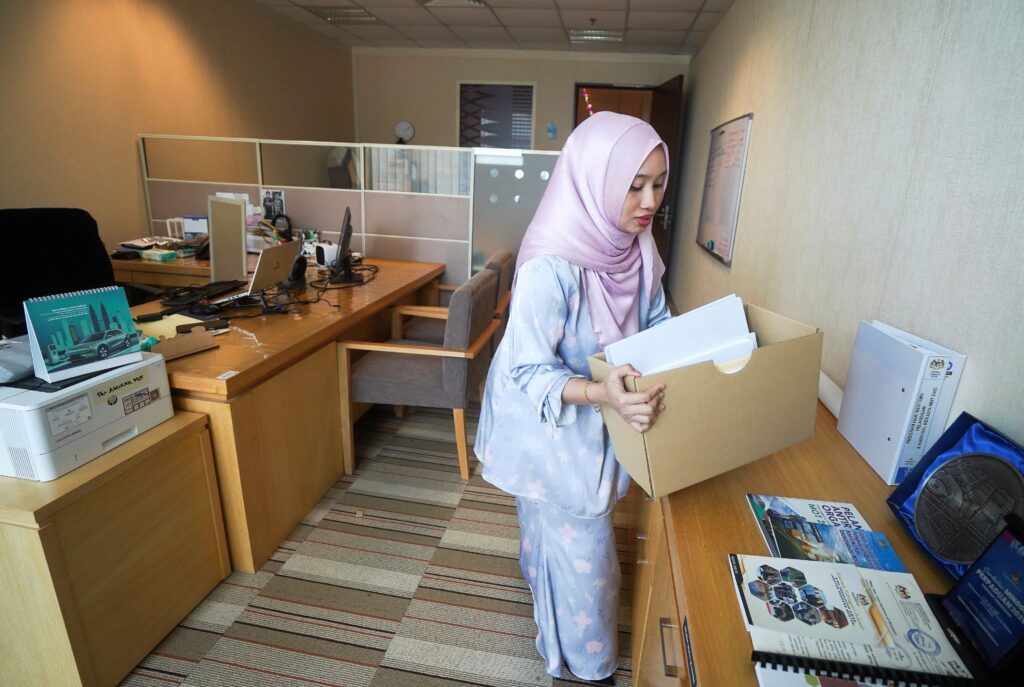
The article posits that while working from home (WFH) offers a potential solution, it's not universally applicable. Essential workers like nurses, teachers, factory workers, and delivery personnel must continue to travel. Therefore, a more pragmatic approach involves reducing non-essential journeys. This includes leveraging technology for virtual meetings, a practice normalized during the pandemic but often abandoned in favor of physical gatherings post-pandemic, even among colleagues in the same building. Reducing such meetings, even by one per week across numerous organizations, could have a significant cumulative effect.
If such journeys are reduced by even one day a week, petrol savings can be significant.
Hybrid work models, where employees work from home a few days a week, present another viable strategy. Research from Cornell University suggests that hybrid work can reduce carbon footprints by 11% to 29% compared to full-time office work. Additionally, staggered work hours can alleviate peak-hour traffic congestion. Smoother traffic flow inherently consumes less fuel than stop-and-go conditions. Ultimately, addressing the fuel crisis requires a shift in daily habits, moving beyond government policy to individual behavioral changes. Working from home is just one example; the real transformation lies in critically re-evaluating our movement patterns and embracing more efficient ways to navigate our daily lives.
The International Energy Agency (IEA) estimates that by working from home one day a week, it can reduce oil consumption by up to 170,000 barrels per day globally.
DistantNews Editorial
Originally published by Utusan Malaysia in Malay. Translated, summarized, and contextualized by our editorial team with added local perspective. Read our editorial standards.
More Stories


From Our Blog

What Gets Lost (and Found) When News Is Translated

The Critical Role of Diaspora Media in Global News

What Travellers Should Know About Countries with Restricted Press

A Digital Nomad's Guide to Following Local News

How the Same Story Looks Different in Different Countries
