

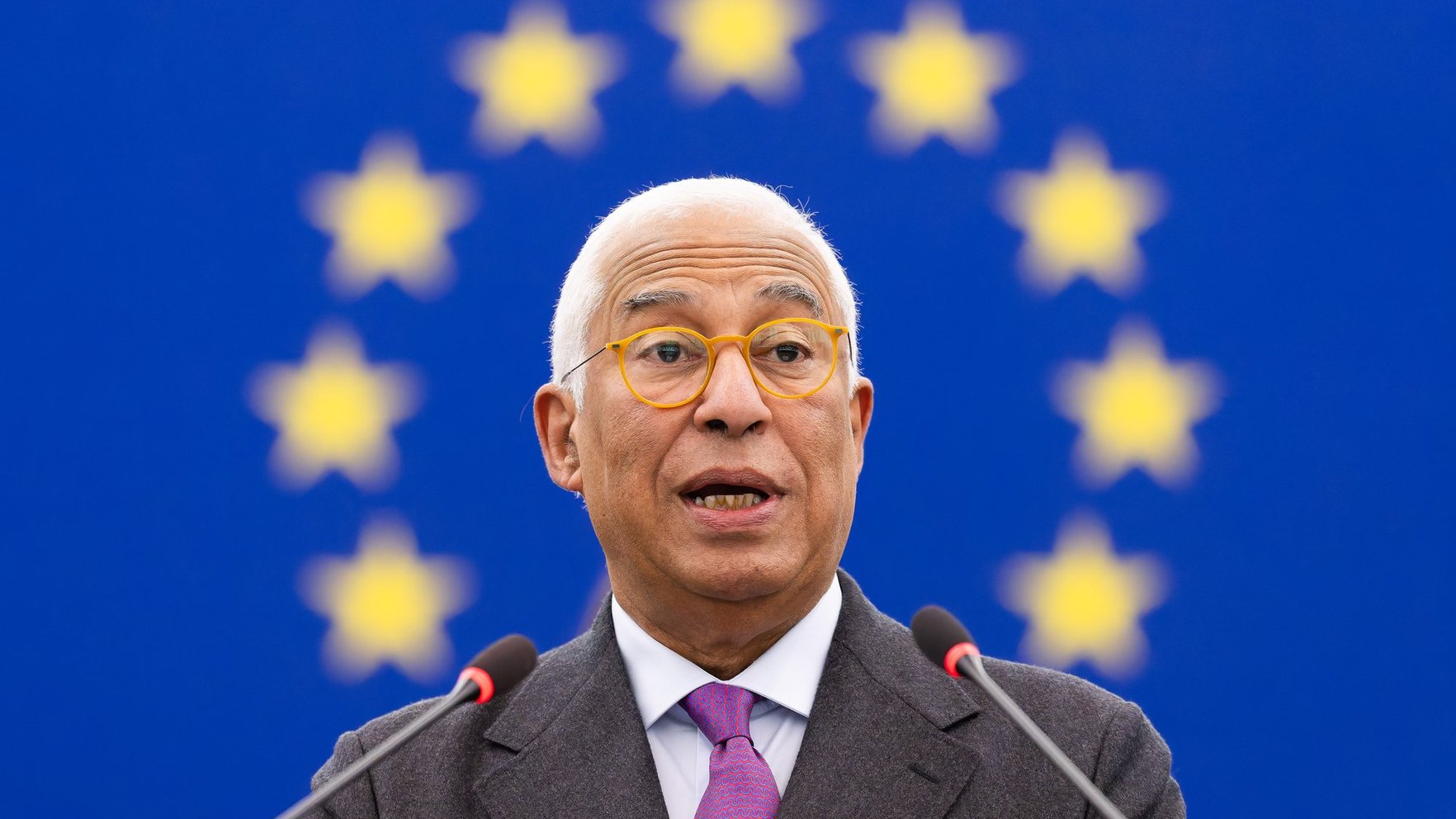
Charles Michel: Listening to Europe and Shaping Its Future
Translated from Latvian, summarized and contextualized by DistantNews.
At a glance
Analysis
Sources not specified
Context piece
- European Council President Charles Michel visits each member state annually to foster dialogue and understand priorities.
- These visits aim to ensure the European Council's work is grounded in the realities and concerns of all member states.
- Michel emphasizes the need for a stronger, more resilient, and autonomous Europe in the current geopolitical landscape, particularly in defense and economic competitiveness.
European Council President Charles Michel embarks on an annual tour of EU member states, a tradition he initiated after taking office. This practice involves bilateral meetings with each national leader, serving as a crucial platform for listening to their concerns, priorities, and expectations. Michel views these exchanges as essential for gaining a comprehensive understanding of the Union's current state and ensuring the Council's deliberations remain firmly rooted in the practical realities faced across Europe.
Michel highlights that the tangible benefits of European integration, such as borderless travel and a common currency, often go unnoticed because they have become integral to daily life. He points to shared standards protecting the environment and health, and mutual support during crises like natural disasters and public health emergencies, as testaments to decades of collective effort. These achievements provide a solid foundation for continued European development.
In the face of current geopolitical challenges, Michel stresses the imperative for a more robust, resilient, and autonomous Europe. He specifically addresses the need to bolster European defense capabilities in response to Russia's aggression against Ukraine. The EU aims to significantly enhance its defense readiness by 2030, focusing on strengthening its defense industry, reducing strategic dependencies, and developing key military capacities collaboratively. This initiative seeks to avoid duplication and ensure that these efforts bolster overall European collective security.
Furthermore, Michel underscores the importance of economic competitiveness for achieving European strategic autonomy. He outlines plans to facilitate business by reducing bureaucracy, mobilizing private investment, completing the single market, strengthening supply chains, and diversifying trade relations. Ensuring access to critical raw materials and affordable, clean, domestic energy sources are also key components of this economic strategy, as detailed in the 'One Europe, One Market' plan.
DistantNews Editorial
Originally published by Delfi Latvia in Latvian. Translated, summarized, and contextualized by our editorial team with added local perspective. Read our editorial standards.
More Stories

From Our Blog

What Gets Lost (and Found) When News Is Translated

The Critical Role of Diaspora Media in Global News

What Travellers Should Know About Countries with Restricted Press

A Digital Nomad's Guide to Following Local News

How the Same Story Looks Different in Different Countries
