


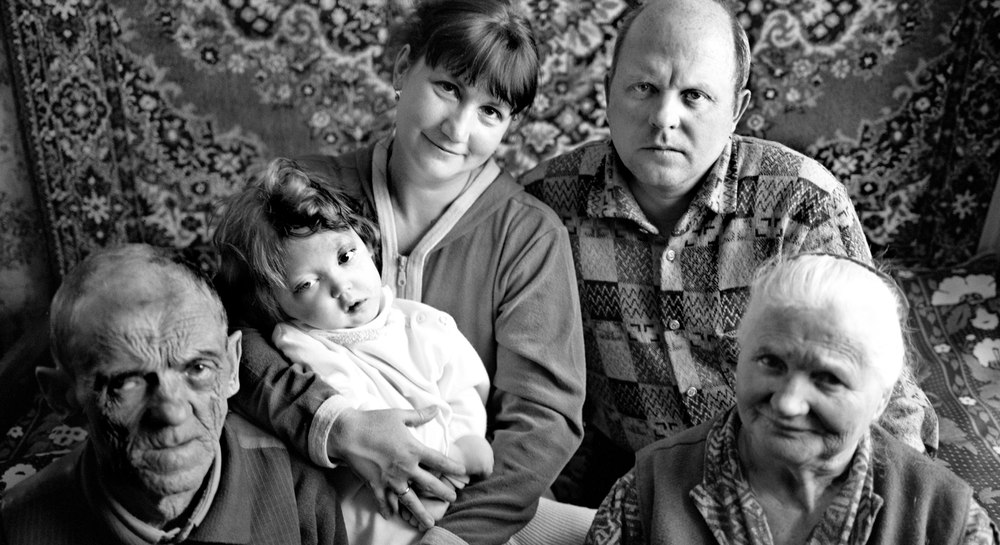
Chernobyl Disaster: Survivor Testimonies Reveal Radioactive Survivors, Abandoned Homes, and Zinc Coffins
Translated from Romanian, summarized and contextualized by DistantNews.
TLDR
- The article recounts harrowing testimonies from survivors of the Chernobyl disaster, which occurred on April 25-26, 1986.
- It details the experiences of liquidators and families affected by the radioactive fallout, including the story of Liudmila Ignatenko, wife of a firefighter who died from radiation sickness.
- The testimonies, published by Svetlana Alexievich, describe the physical and psychological trauma, the abandonment of homes, and the long-term health consequences for generations.
The Chernobyl disaster, a name synonymous with catastrophe, continues to haunt the collective memory, and the testimonies gathered by Belarusian Nobel laureate Svetlana Alexievich offer a chillingly intimate look at the human cost of the 1986 nuclear accident. Published in "Chernobyl: The Oral History of a Nuclear Disaster," these accounts move beyond the sterile facts of reactor meltdowns and evacuation zones to reveal the profound personal tragedies that unfolded.
Cu mănuși, aparate de respirat, combinezoane de camuflaj, apăream ca niște diavoli
Liudmila Ignatenko's story, as recounted in the article, is particularly poignant. Her husband, a firefighter, was among the first responders, unknowingly exposed to lethal doses of radiation. Her desperate journey to be by his side in Moscow, witnessing his agonizing 14-day decline, is a stark reminder of the immediate, devastating impact on individuals and families. The descriptions of his physical deterioration – the burns, the changing skin color, the internal suffering – are graphic and deeply unsettling, painting a picture of a slow, agonizing death.
What makes these testimonies particularly powerful from a Romanian perspective, given our proximity to Chernobyl and the shared Soviet past, is the sense of shared vulnerability and the long shadow cast by such events. While international coverage often focuses on the scientific and geopolitical implications, these personal narratives highlight the enduring human suffering and the intergenerational health issues that continue to affect communities in the region. The article's inclusion of details about soldiers and liquidators, who appeared like "devils" in their protective gear, further emphasizes the immense, often unacknowledged, sacrifice made by ordinary people in the face of an invisible enemy.
El a început să se schimbe. În fiecare zi întâlneam deja un alt om. Arsurile ieșiseră la suprafață. În gură, pe limbă și pe obraji îi apăruseră răni mici, apoi se făcuseră și mai mari. Mucoasa se îndepărta în straturi, în straturi albe. Culoarea feței... culoarea trupului... Vânăt. Roșu. Cenușiu închis. Dar era tot al meu, așa de drag
These oral histories serve as a vital historical record, ensuring that the human element of the Chernobyl disaster is never forgotten. They underscore the importance of remembering not just the event itself, but the lived experiences of those who endured its horrors, a perspective that resonates deeply in Eastern Europe.
Nici nu-ți imaginezi ce frumoasă e Moscova! Mai ales de Ziua Victoriei, când sunt artificiile. Ți-am promis că o să-ți arăt Moscova
DistantNews Editorial
Originally published by Adevărul in Romanian. Translated, summarized, and contextualized by our editorial team with added local perspective. Read our editorial standards.
More Stories



From Our Blog

What Gets Lost (and Found) When News Is Translated

The Critical Role of Diaspora Media in Global News

What Travellers Should Know About Countries with Restricted Press

A Digital Nomad's Guide to Following Local News

How the Same Story Looks Different in Different Countries
