


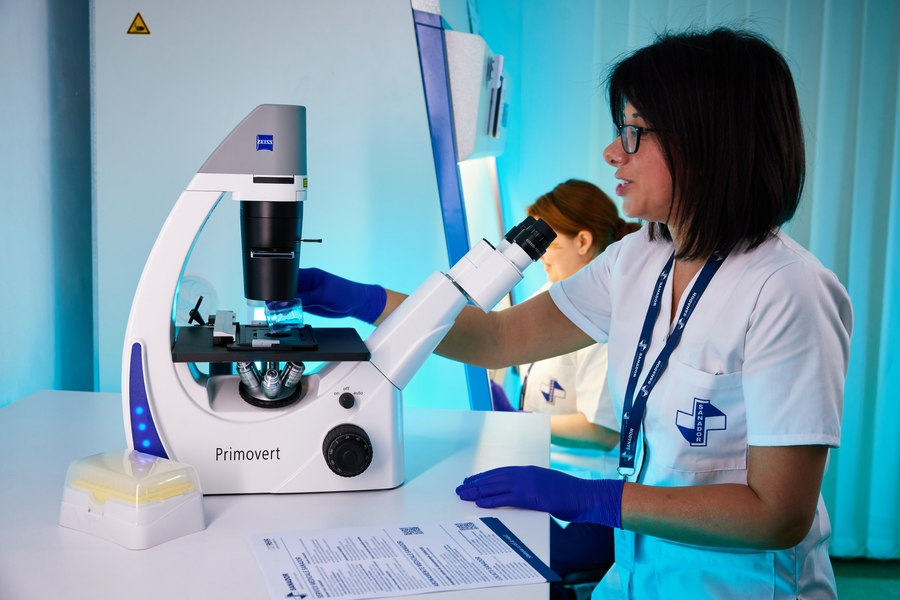
Medical Genetics Expert: Genetic Testing Reveals Tumor Weaknesses for Personalized Treatment
Translated from Romanian, summarized and contextualized by DistantNews.
TLDR
- Genetic testing is crucial for personalized cancer treatment, identifying tumor weaknesses.
- Germline tests reveal inherited genetic variants that increase cancer risk, benefiting families.
- Somatic tests analyze tumor genomes to guide targeted therapies, embodying personalized medicine.
In an interview with "Weekend Adevărul," Conf. dr. Viorica Rădoi, a leading medical genetics specialist at SANADOR, emphasizes the transformative power of genetic testing in modern oncology. She explains that these tests are not merely diagnostic tools but are fundamental to the development of personalized medicine, allowing clinicians to precisely target cancer cells.
Prin testare genetică, tumora își dezvăluie punctele slabe, pe care noi le țintim cu tratamentul. Și asta înseamnă medicină personalizată
Dr. Rădoi distinguishes between two primary types of genetic tests. Germline tests identify inherited genetic variants that predispose individuals to certain cancers, offering valuable information not only for the patient but also for their relatives who may share the same risk. Somatic tests, on the other hand, are performed directly on tumor tissue. By analyzing the tumor's genome, these tests reveal its specific vulnerabilities, enabling doctors to select treatments that are most effective against that particular cancer. This approach, she notes, is the essence of personalized medicine.
Testarea genetică este importantă într-un tratament personalizat.
The application of genetic testing is broadly recommended in two scenarios. Firstly, for patients already diagnosed with cancer, genetic testing is an integral part of their treatment plan. Whether performed on paraffin-embedded tissue or a biopsy, these tests help identify "companion diagnostics" that match patients with targeted therapies. Secondly, genetic testing is advised for individuals with a strong family history of cancer, particularly at young ages. Such histories may indicate an inherited predisposition, prompting individuals to assess their own risk beyond the general population's likelihood of developing cancer. Dr. Rădoi's insights underscore the growing importance of genetic information in proactively managing health and tailoring medical interventions.
Testele genetice pentru cancer reprezintă o unealtă extraordinar de importantă în îngrijirea personalizată a pacientului oncologic sau a rudelor acestuia.
DistantNews Editorial
Originally published by Adevărul in Romanian. Translated, summarized, and contextualized by our editorial team with added local perspective. Read our editorial standards.
More Stories



From Our Blog

What Gets Lost (and Found) When News Is Translated

The Critical Role of Diaspora Media in Global News

What Travellers Should Know About Countries with Restricted Press

A Digital Nomad's Guide to Following Local News

How the Same Story Looks Different in Different Countries
