



Chile seeks copper buyers beyond China with $100 billion mining plan
Translated from English, summarized and contextualized by DistantNews.
At a glance
News
Named sources
New plan
- Chile aims to attract $100 billion in mining investment over the next decade and diversify its copper buyers beyond China.
- The government seeks to reduce its reliance on Chinese demand, which currently accounts for over half of Chilean copper shipments.
- Despite diversification efforts, China will remain a key client due to its industrial capacity and accelerating data center investments.
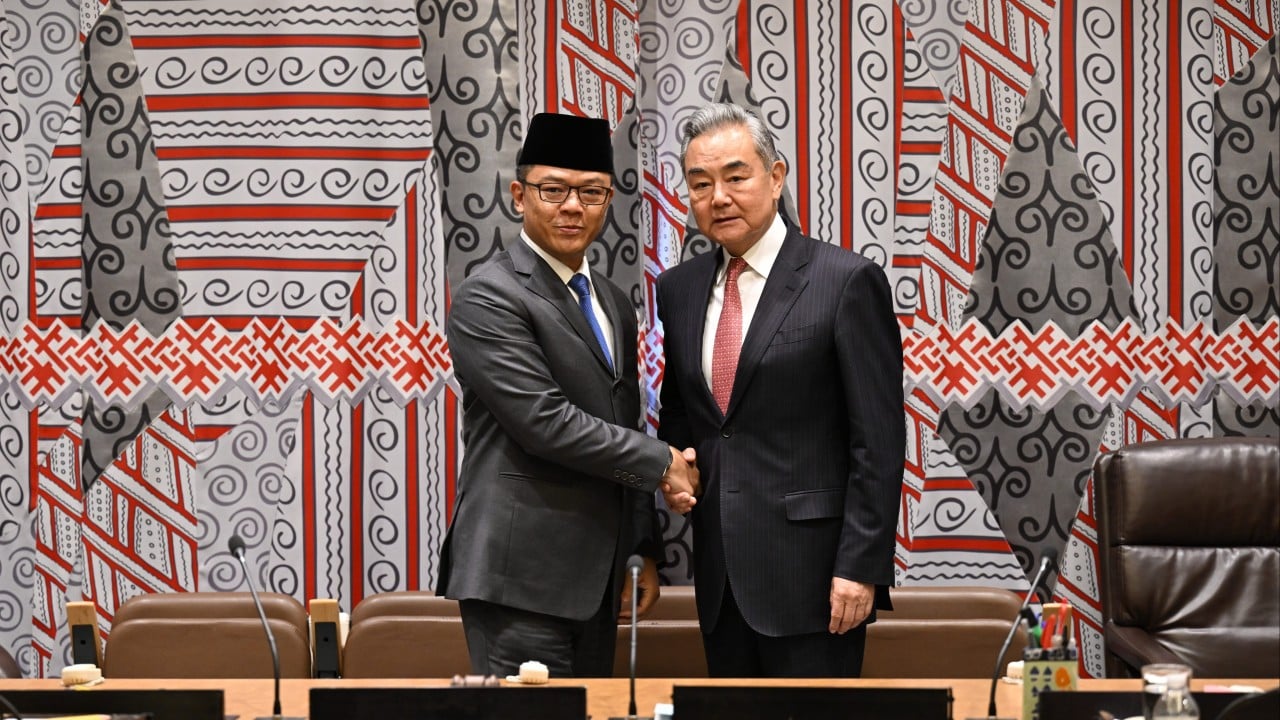
Chile is actively seeking to broaden its international customer base for copper, aiming to attract approximately $100 billion in mining investments over the next ten years. This strategic shift, announced by the nation's foreign minister, signifies a deliberate effort by the new government in Santiago to lessen its dependence on Chinese demand.
"The market is highly concentrated and we need to broaden the number of places that buy our copper," stated Francisco Perez Mackenna at a recent Bloomberg summit in Singapore. While acknowledging China's continued importance as a major client due to its significant industrial capacity, he highlighted the accelerating growth in global demand, particularly from investments in data centers.
The concentration of Chile's copper market has intensified over the past decade. China now consumes about 58 percent of the world's copper and imports more than half of Chile's exports. In 2025, Chile produced 5.3 million tonnes, representing a quarter of global output, solidifying its position as the world's largest producer. However, central bank data through June reveals that this dependence is heavily skewed towards unprocessed ore, underscoring the need for diversification.
The market is highly concentrated and we need to broaden the number of places that buy our copper
DistantNews Editorial
Originally published by South China Morning Post in English. Translated, summarized, and contextualized by our editorial team with added local perspective. Read our editorial standards.
More Stories

From Our Blog

Countries Without a Free Press: What You Need to Know

What Press Freedom Means for the News You Read

What Gets Lost (and Found) When News Is Translated

The Critical Role of Diaspora Media in Global News

What Travellers Should Know About Countries with Restricted Press
