

 Image: ATON
Chilean Leftist Coalition Debates Long-Term Agreements Amidst Political Differences
Translated from Spanish, summarized and contextualized by DistantNews.
At a glance
News
Named sources
Context piece
- Chile's Broad Front coalition is discussing a proposal by two mayors to build long-term political agreements, with a majority supporting dialogue.
- Party leaders emphasize that seeking consensus does not require moderating core principles or abandoning transformative goals.
- The coalition rejects claims of contradiction between President Boric's past calls for moderation and the current push for dialogue, arguing that deep change can coexist with broad agreements.
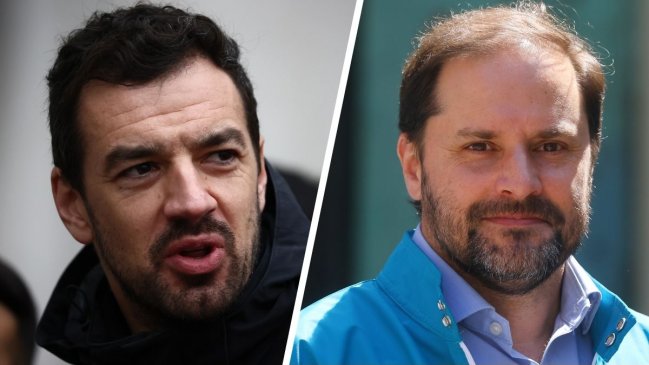
A joint initiative by mayors Tomás Vodanovic of the Broad Front (FA) and Jaime Bellolio of the Independent Democratic Union (UDI) has ignited a significant debate within Chile's Broad Front coalition regarding the pursuit of long-term political agreements. Andrés Couble, the party's secretary general, stated that a majority within the FA supports exploring avenues for dialogue and forging lasting accords, even with political opponents.
It has generated dialogue within the party, a dialogue that I find very rich. In general, I see more agreement regarding the idea of finding paths for dialogue and long-term agreements.
Couble described the dialogue generated by the mayors' proposal as "very rich" and indicated a general consensus within the party to "find paths for dialogue and long-term agreements." The initiative aims to foster a shared vision for Chile's future over the next three decades, bridging the ideological gap between the FA and the UDI. Couble stressed that while collaboration is essential for policies with long-term impacts, which may take a decade or more to yield results, parties must not compromise their fundamental principles in the process.
Many of the policies we adopt today may have effects in 10 or 15 years and very positive effects, but because they do not have an immediate effect, they are often not adopted.
"When one reaches an agreement, each sector has to give up things, and that does not mean one renounces those things," Couble explained, asserting that the pursuit of consensus does not necessitate abandoning core convictions. He further defended the coalition's stance against criticism from Evópoli party deputy Jorge Guzmán, who suggested a contradiction between former President Gabriel Boric's past emphasis on moderation and Vodanovic's current push for broad agreements. Guzmán characterized Boric's approach as "entrenchment" and "a logic of conflict," contrasting it with Vodanovic's call for "great agreements."
When one reaches an agreement, each sector has to give up things, and that does not mean one renounces those things.
Couble refuted the notion of a contradiction, arguing that it is possible to advocate for profound transformations while simultaneously building consensus. "One, to build agreements, does not have to put oneself in the center, be moderate. One can have ideas that are disruptive, that are about deep changes, and put those ideas on the table to build agreements with others," he stated. This perspective underscores the FA's belief that political progress can be achieved through a combination of bold vision and strategic collaboration, even across significant political divides.
One, to build agreements, does not have to put oneself in the center, be moderate. One can have ideas that are disruptive, that are about deep changes, and put those ideas on the table to build agreements with others.
DistantNews Editorial
Originally published by Cooperativa in Spanish. Translated, summarized, and contextualized by our editorial team with added local perspective. Read our editorial standards.
More Stories

From Our Blog

What Gets Lost (and Found) When News Is Translated

The Critical Role of Diaspora Media in Global News

What Travellers Should Know About Countries with Restricted Press

A Digital Nomad's Guide to Following Local News

How the Same Story Looks Different in Different Countries
