


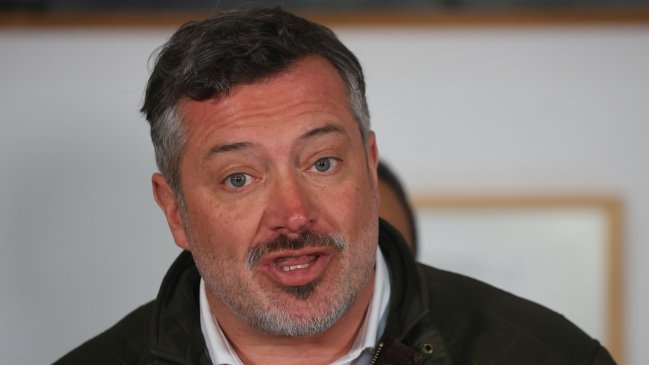
Chilean mayor criticizes 'class struggle' framing of municipal compensation debate
Translated from Spanish, summarized and contextualized by DistantNews.
At a glance
News
Named sources
Context piece
- Ñuñoa Mayor Sebastián Sichel urged colleagues to approach municipal compensation discussions technically, rather than framing it as "class struggle."
- Sichel believes property taxes are valid but the collection mechanism was unfair, especially for seniors, and needs correction.
- He proposed improving patent and sanitation fee collection efficiency as part of municipal financing reform.
Sebastián Sichel, the mayor of Ñuñoa, has called on his fellow mayors to adopt a more technical approach to discussions surrounding the government's proposal for municipal compensation, criticizing the framing of the issue as a "class struggle."
Sichel stated that while he supports property taxes based on wealth, the current collection method was unjust, particularly for retirees, and requires reform. He differentiated his stance from other mayors, such as Tomás Vodanovic of Maipú, who he believes are conflating the property tax issue with broader municipal financing challenges.
"My fight has been that we need to improve the financing mechanism," Sichel asserted. He advocated for more efficient collection of patent fees and sanitation rights, suggesting measures like preventing companies from declaring income taxes without up-to-date patents and reducing the rejection rate for sanitation fees.
Sichel described the current debate in Congress, ahead of a vote on the mega-reform, as resembling a petty argument over resources rather than a technical problem-solving exercise. He argued that the discussion has devolved into a "class struggle" narrative, pitting municipalities against each other, which he finds "absurd."
DistantNews Editorial
Originally published by Cooperativa in Spanish. Translated, summarized, and contextualized by our editorial team with added local perspective. Read our editorial standards.
More Stories


From Our Blog

What Gets Lost (and Found) When News Is Translated

The Critical Role of Diaspora Media in Global News

What Travellers Should Know About Countries with Restricted Press

A Digital Nomad's Guide to Following Local News

How the Same Story Looks Different in Different Countries
