


Chilean Storm Exposes Disaster Response Flaws, Overwhelms Sinapred Law Scalability
Translated from Spanish, summarized and contextualized by DistantNews.
At a glance
Analysis
Sources not specified
Context piece
- A severe weather system in Chile's Coquimbo and Atacama regions overwhelmed disaster response capabilities.
- The event rapidly escalated from a local issue to a constitutional state of exception.
- The article suggests the magnitude of the event exposed limitations in Chile's Sinapred law's scalability.
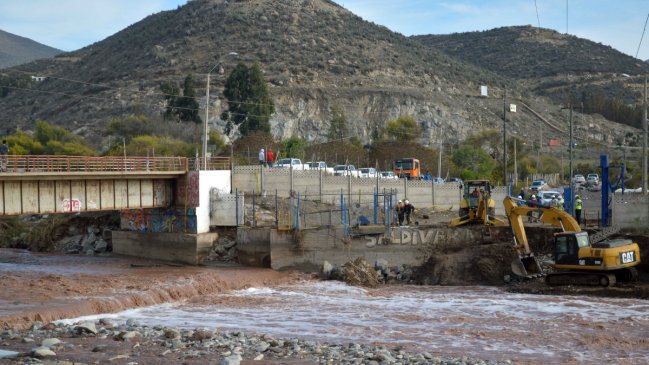
A powerful storm system that battered Chile's Coquimbo and Atacama regions exposed critical weaknesses in the nation's disaster response framework. The violent weather quickly overwhelmed local capacities, forcing an escalation from a regional response to the declaration of a Constitutional State of Exception of Catastrophe. The article "Humpty Dumpty and Civil-Military Coordination" suggests that the sheer magnitude of the event, while a factor, also revealed fundamental issues with the scalability of the Sinapred law. The rapid transition from localized impacts to a national emergency declaration highlighted a system struggling to adapt to large-scale crises. The piece implies that the coordination between civilian and military efforts, crucial in such events, faced significant challenges, leading to a breakdown in the expected progression of response measures. The metaphor of Humpty Dumpty suggests a catastrophic fall from which recovery is uncertain, pointing to a systemic failure rather than a temporary setback.
DistantNews Editorial
Originally published by BioBioChile in Spanish. Translated, summarized, and contextualized by our editorial team with added local perspective. Read our editorial standards.
More Stories

From Our Blog

What Gets Lost (and Found) When News Is Translated

The Critical Role of Diaspora Media in Global News

What Travellers Should Know About Countries with Restricted Press

A Digital Nomad's Guide to Following Local News

How the Same Story Looks Different in Different Countries
