


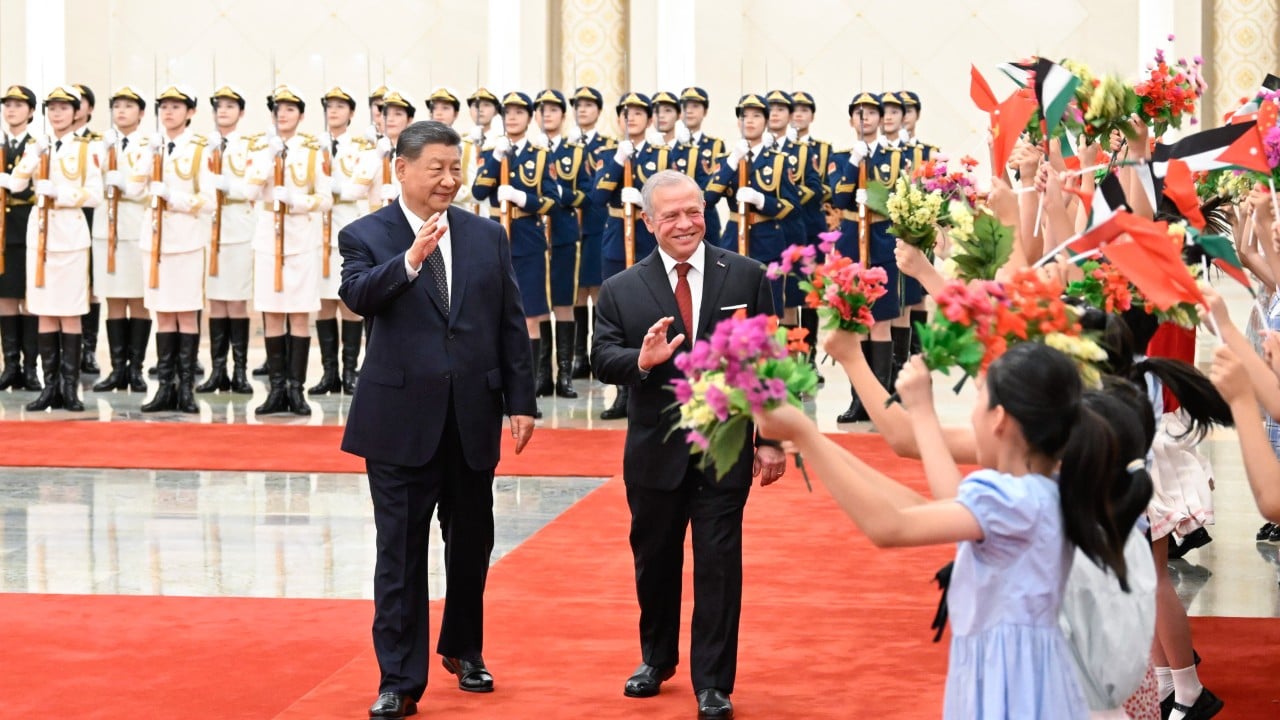
China, Jordan call for Strait of Hormuz to reopen, urge U.S.-Iran ceasefire maintenance
Translated from English, summarized and contextualized by DistantNews.
At a glance
News
Sources not specified
Context piece
- China and Jordan urged the reopening of the Strait of Hormuz for shipping and called for the U.S.-Iran ceasefire to be maintained.
- Both nations seek a comprehensive solution to regional tensions through dialogue, respecting sovereignty and territorial integrity.
- The joint statement, issued during Jordan's King Abdullah's visit to Beijing, also criticized Israel's actions in the West Bank and East Jerusalem.
China and Jordan have jointly called for the Strait of Hormuz to resume normal shipping operations, emphasizing the need to maintain the ceasefire between the United States and Iran. The joint statement, released during King Abdullah of Jordan's visit to Beijing, stressed the importance of a comprehensive solution to regional tensions achieved through dialogue and negotiation.
a vital channel for international commerce and the energy trade
The statement highlighted the strait as a "vital channel for international commerce and the energy trade." Both nations expressed their desire for "a comprehensive solution addressing the root causes of tension … through dialogue and negotiation, ensuring full respect for the sovereignty, security and territorial integrity of regional countries." Peace talks between the U.S. and Iran remain stalled, and the strait is currently closed to most shipping.
restoration of normal transit through the strait
Furthermore, the two sides criticized Israel's "dangerous escalatory actions" in the West Bank and East Jerusalem. They voiced "deep concern" over Israeli activities, including land confiscation, settlement expansion, and attempts to alter the historical status of holy sites in Jerusalem.
a comprehensive solution addressing the root causes of tension … through dialogue and negotiation, ensuring full respect for the sovereignty, security and territorial integrity of regional countries
DistantNews Editorial
Originally published by South China Morning Post in English. Translated, summarized, and contextualized by our editorial team with added local perspective. Read our editorial standards.
More Stories


From Our Blog

Countries Without a Free Press: What You Need to Know

What Press Freedom Means for the News You Read

What Gets Lost (and Found) When News Is Translated

The Critical Role of Diaspora Media in Global News

What Travellers Should Know About Countries with Restricted Press
