

How Pacific nations walk a tightrope between Western security and Chinese trade
Summarized and contextualized by DistantNews.
At a glance
News
Named sources
Context piece
- Pacific island nations are leveraging geopolitical competition between China and Western countries to secure benefits from both sides.
- Western nations, particularly Australia, are signing defense pacts to increase their influence, while China continues to build infrastructure and deepen economic ties.
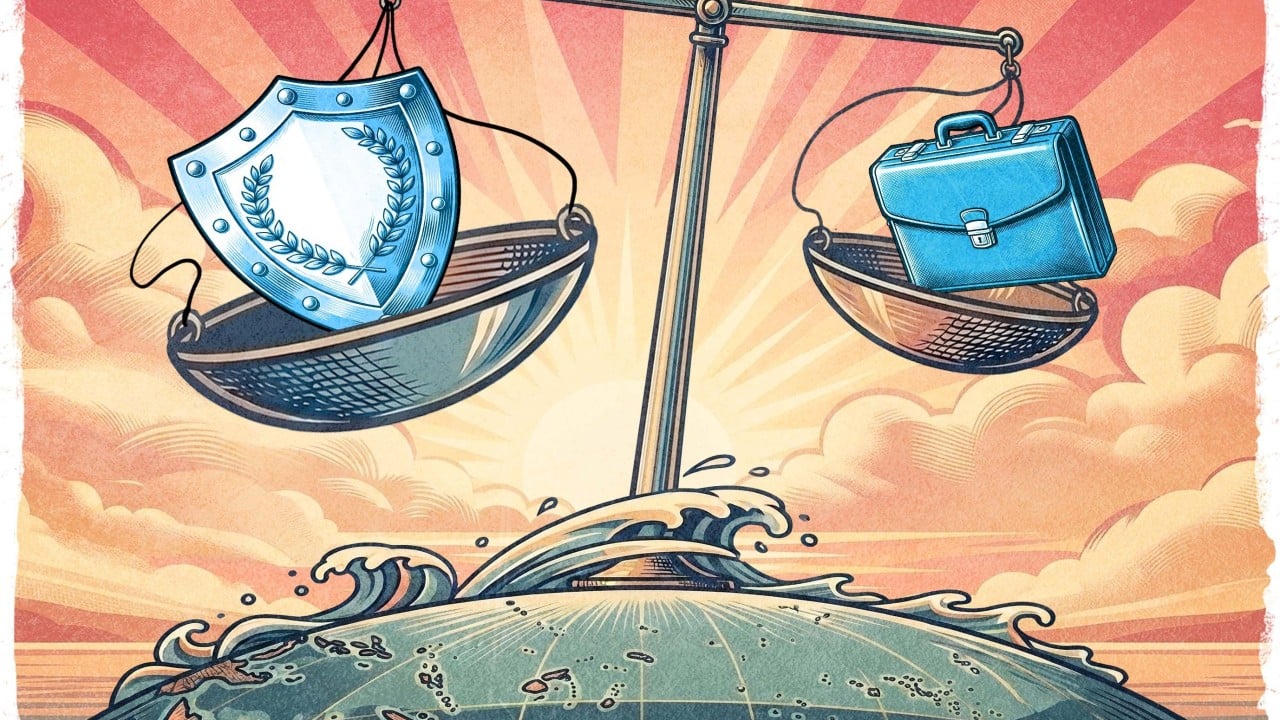
- Leaders are playing a strategic balancing act, accepting security guarantees from the West while maintaining economic engagement with Beijing.
Pacific island nations are skillfully navigating the intensifying geopolitical rivalry between China and Western powers, using the competition to their advantage. Instead of aligning with one side, these nations are securing security agreements with Western countries while simultaneously deepening economic ties with China.
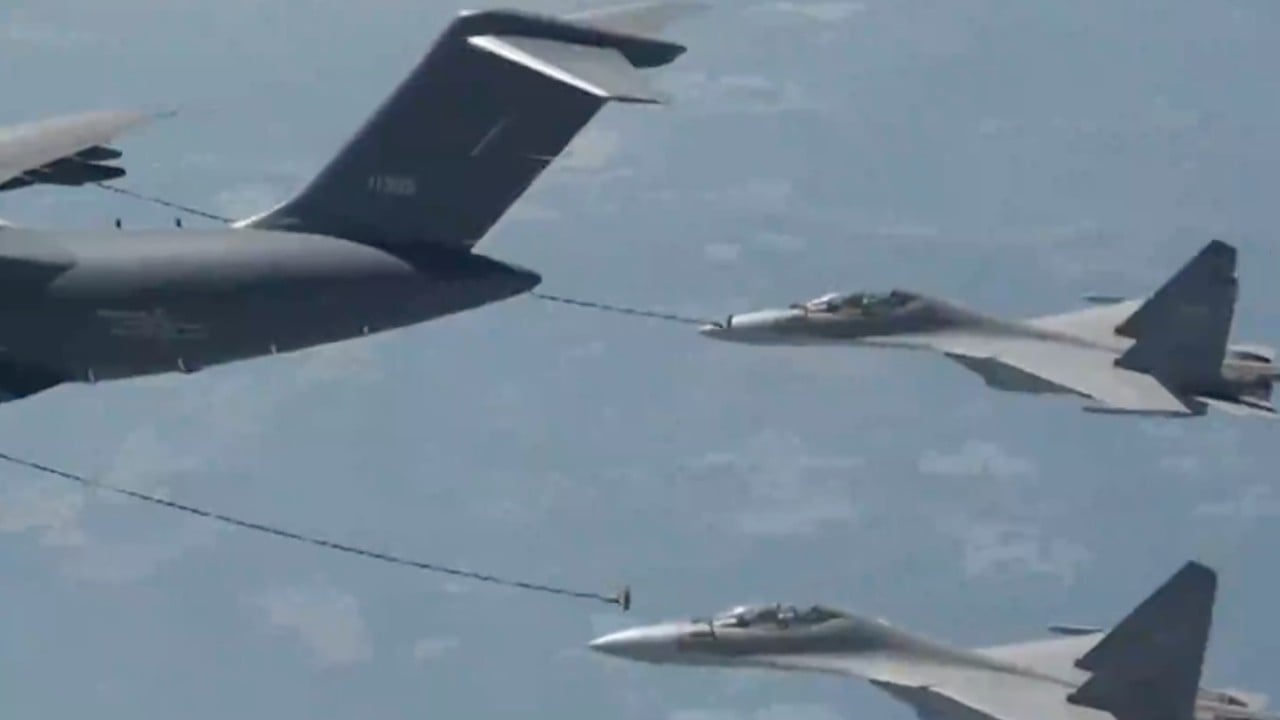
Australia, for instance, has been actively signing defense pacts with Pacific nations, aiming to bolster its influence in a region historically overlooked. Recent examples include security pacts with Vanuatu and Fiji's first mutual defense treaty with Australia. These moves are part of Australia's broader strategy to become the region's primary security partner and counter China's growing assertiveness.
permanent contest
China, in response to these security developments, has urged countries to ensure their cooperation does not target third parties or engage in "geopolitical games." This highlights the delicate balancing act Pacific leaders must perform. They are leveraging the "permanent contest" for influence, as described by Australian Foreign Minister Penny Wong, to extract concessions and ensure their own strategic and economic interests are met amidst the great power competition.
engage in geopolitical games
DistantNews Editorial
Originally published by South China Morning Post. Summarized and contextualized by our editorial team with added local perspective. Read our editorial standards.
More Stories
From Our Blog

Countries Without a Free Press: What You Need to Know

What Press Freedom Means for the News You Read

What Gets Lost (and Found) When News Is Translated

The Critical Role of Diaspora Media in Global News

What Travellers Should Know About Countries with Restricted Press
