

China Launches Its Largest Academic Misconduct Crackdown After Student Geng Scandal
Translated from English and summarized by DistantNews. Read the original for the full story.
At a glance
News
Official statement
Under investigation
- The National Natural Science Foundation of China announced 31 academic misconduct cases involving more than 40 researchers, its largest public disclosure of this kind.
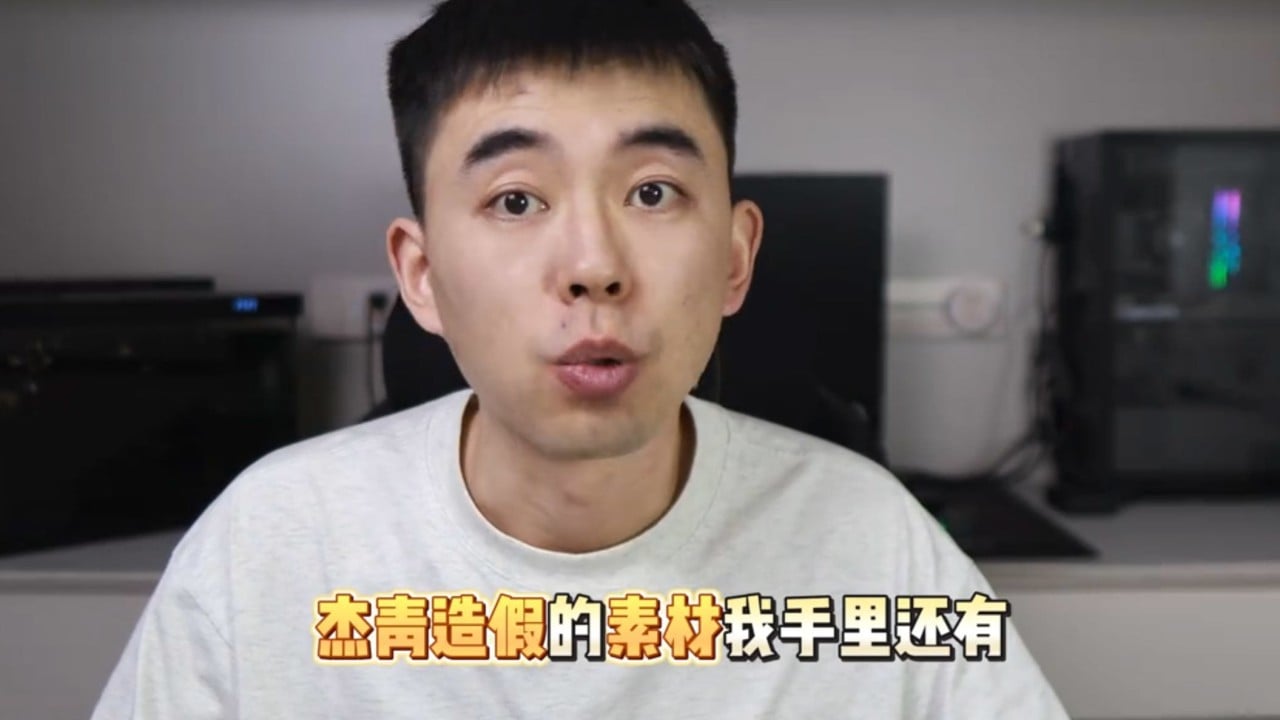
- Four prominent professors previously named by blogger and PhD dropout Student Geng face official investigations after losing university posts.
- The foundation revoked their funding and titles, ordered them to return more than 10 million yuan in grants and barred them from seeking funding for three to seven years.
China’s leading basic-research funder has opened investigations into four prominent academics after a blogger’s allegations helped trigger the country’s largest public crackdown on academic misconduct.
The National Natural Science Foundation of China published details on Aug. 26 of 31 new misconduct cases at universities and hospitals. The cases involve more than 40 researchers, making the disclosure the foundation’s largest to date.
Four of the academics had been publicly named in April by a blogger and PhD dropout known as Student Geng. All four had received the National Science Fund for Distinguished Young Scholars, an honour that often helps recipients gain entry to China’s top science and engineering academies. Three had served as deans or associate deans.
The four professors lost their university positions after Geng flagged alleged problems in their research. In its August notice, the foundation named them, revoked their funding and titles, and ordered them to return more than 10 million yuan, or about US$1.49 million, in grants they had previously received.
They have also been barred from applying for foundation funding again for between three and seven years. The cases have placed high-profile researchers under official scrutiny and expanded a controversy that began with social-media disclosures.
About this summary
Originally published by South China Morning Post in English. Translated, summarized, and contextualized automatically by DistantNews, with a note on how the source frames the story. Not individually reviewed before publishing. How this works.
More Stories

From Our Blog

Countries Without a Free Press: What You Need to Know

What Press Freedom Means for the News You Read

What Gets Lost (and Found) When News Is Translated

The Critical Role of Diaspora Media in Global News

What Travellers Should Know About Countries with Restricted Press
