


China-Led Team Develops AI System to Track Radar-Disrupting Space Hurricanes
Translated from English, summarized and contextualized by DistantNews.
At a glance
News
Sources not specified
Context piece
- A China-led research team has developed an AI system capable of automatically detecting "space hurricanes."
- These phenomena, occurring in Earth's upper atmosphere, can disrupt satellite signals, radar, and radio communications.
- The new system analyzes ultraviolet images, improving upon manual detection methods and utilizing data from a new China-Europe satellite.
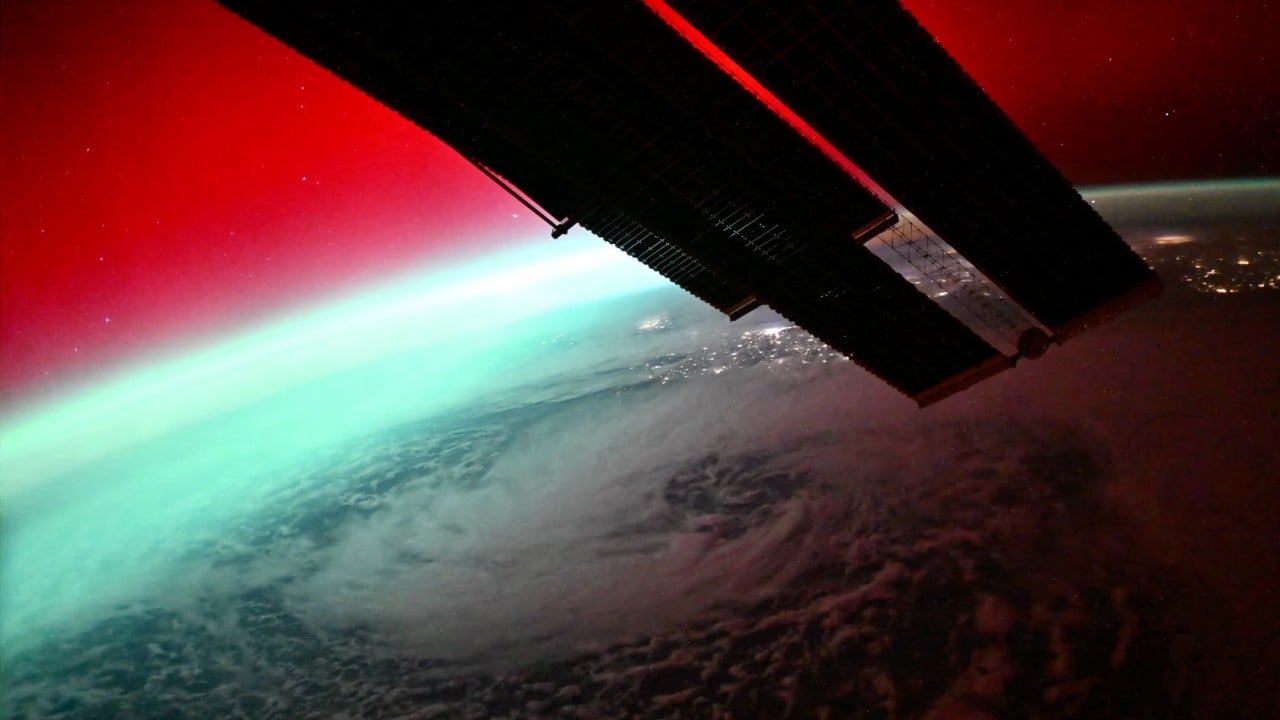
A China-led team has pioneered an artificial intelligence system designed to detect "space hurricanes," a recently identified atmospheric phenomenon with significant implications for space weather. These events, characterized by massive, spinning auroras near Earth's magnetic poles, can severely disrupt satellite signals, radar, and radio communications.
Previously, identifying these space hurricanes relied on a laborious process of manually examining satellite imagery. The new deep-learning system automates this detection, pinpointing the phenomena through ultraviolet images. This advancement promises to enhance the analysis of data collected from a newly launched China-Europe satellite.
The phenomenon draws its name from terrestrial tropical cyclones, such as hurricanes and typhoons, due to its swirling appearance. Its detection and study are crucial for understanding and mitigating the impacts of space weather on our increasingly connected technological infrastructure.
A space hurricane is a recently discovered space weather event that appears as a massive, spinning aurora near Earth’s magnetic poles.
DistantNews Editorial
Originally published by South China Morning Post in English. Translated, summarized, and contextualized by our editorial team with added local perspective. Read our editorial standards.
More Stories


From Our Blog

Countries Without a Free Press: What You Need to Know

What Press Freedom Means for the News You Read

What Gets Lost (and Found) When News Is Translated

The Critical Role of Diaspora Media in Global News

What Travellers Should Know About Countries with Restricted Press
