

China-Nepal floods highlight need for joint early warning systems for rail project
Translated from English and summarized by DistantNews. Read the original for the full story.
At a glance
News
Sources not specified
Ongoing story
- Recent devastating floods on the China-Nepal border have highlighted the need for joint early-warning systems.
- The floods impacted Gyirong Port, a key trade gateway and a proposed site for a trans-Himalayan rail project connecting Tibet and Kathmandu.
- Researchers suggest the disaster underscores the necessity of a collaborative approach to hazard management for such infrastructure projects.
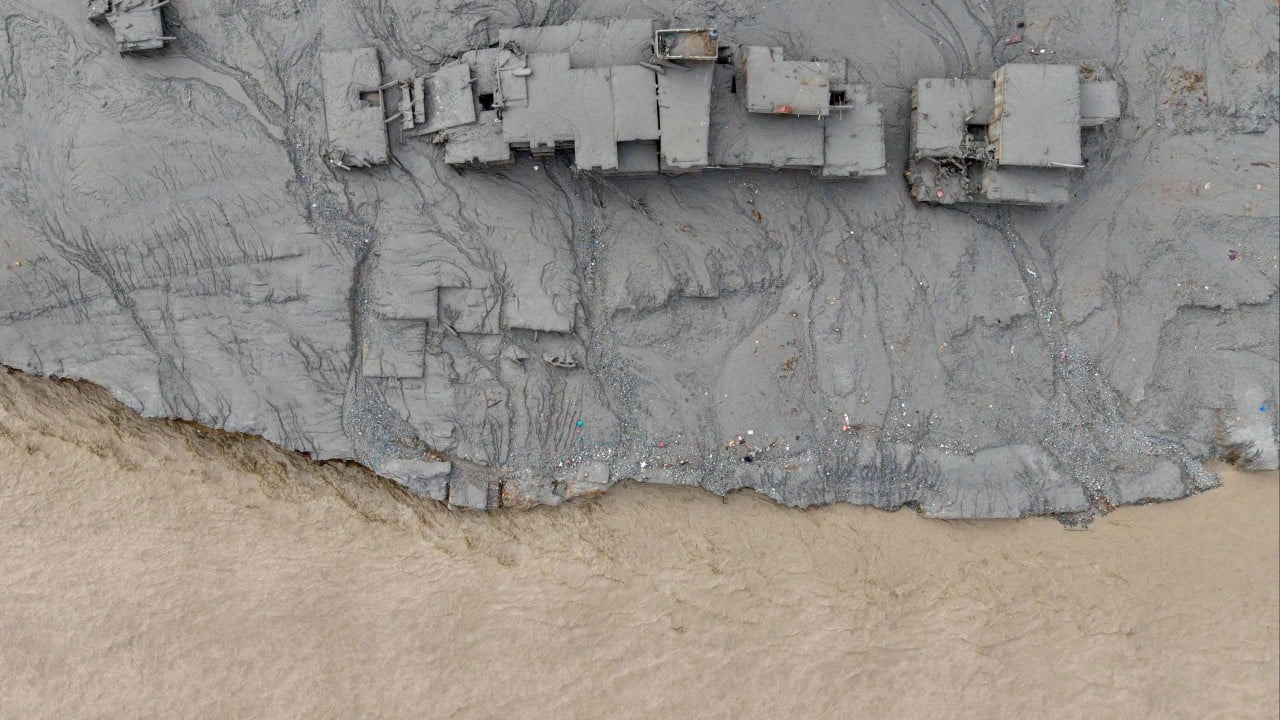
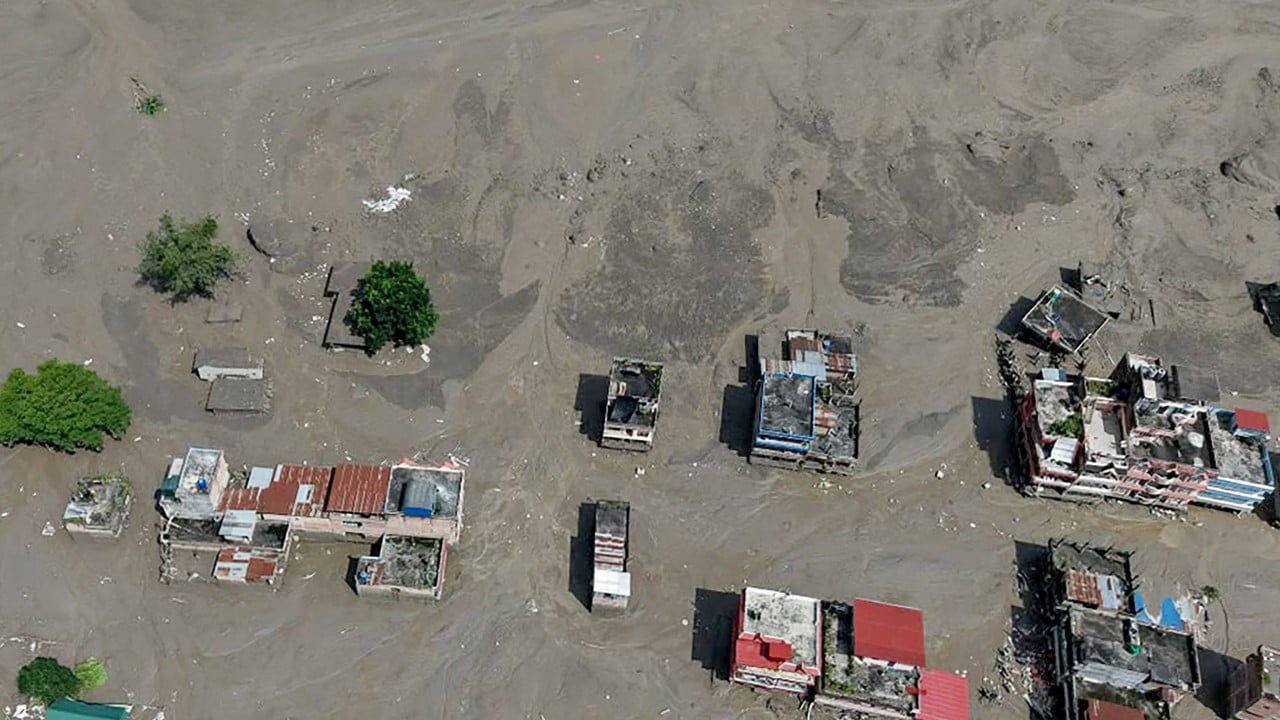
Devastating floods that swept across the China-Nepal border this week could serve as a crucial catalyst for establishing joint early-warning systems. The disaster, which struck Gyirong Port in Tibet, has intensified discussions around the safety of a proposed multibillion-dollar trans-Himalayan rail project.
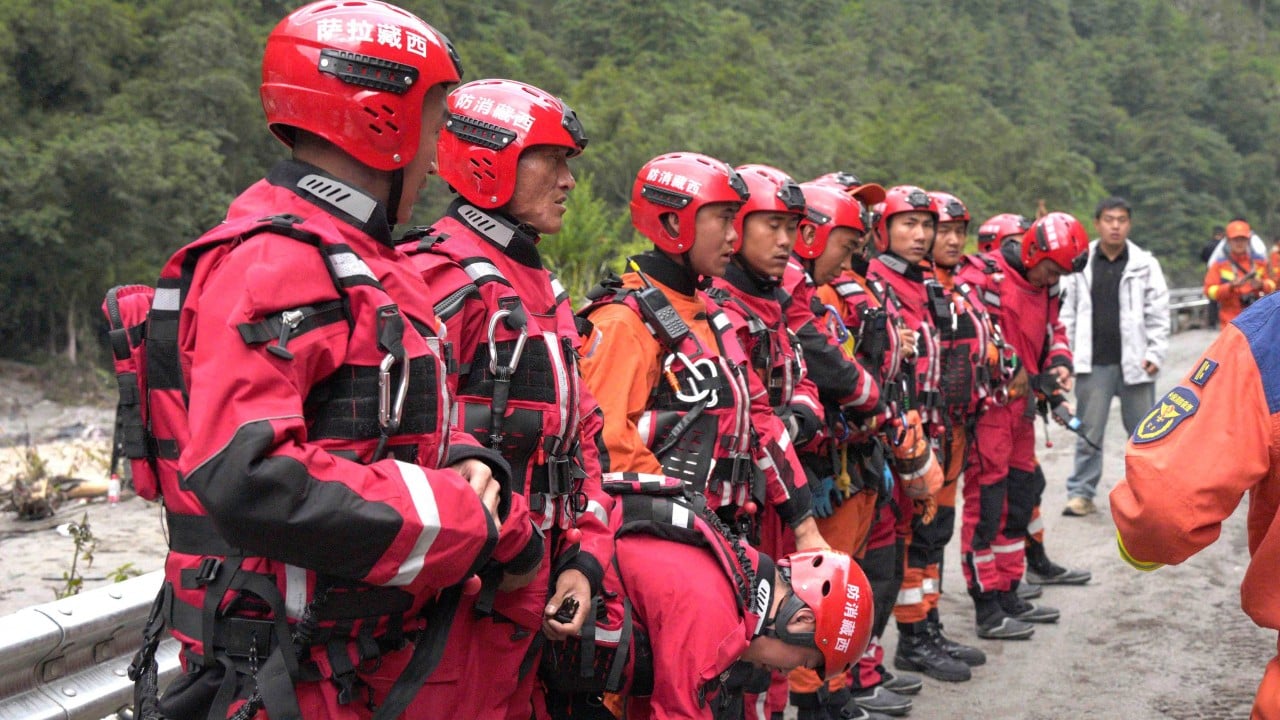
Rescuers faced significant challenges in reaching Gyirong Port, the region's primary foreign trade gateway, after it was hit by mudslides and flash floods originating from Nepal. This port handles a substantial portion of China's trade with its neighbor and is a key component of the planned railway connecting Tibet with Kathmandu.
The ambitious rail project, first proposed in 2016, has encountered numerous obstacles, including adverse weather conditions, inadequate local infrastructure, and geopolitical tensions. The recent floods have underscored the vulnerabilities associated with such large-scale infrastructure in geologically sensitive areas.
Researchers from both China and Nepal have emphasized the urgent need for a unified approach to hazard management. In a social media post, the "China-Nepal Railway and South Asia Exchange" account, which has facilitated collaboration among researchers tracking the railway project since 2022, highlighted how the disaster's location necessitates a joint strategy for managing potential risks.
About this summary
Originally published by South China Morning Post in English. Translated, summarized, and contextualized automatically by DistantNews, with a note on how the source frames the story. Not individually reviewed before publishing. How this works.
More Stories
From Our Blog

Countries Without a Free Press: What You Need to Know

What Press Freedom Means for the News You Read

What Gets Lost (and Found) When News Is Translated

The Critical Role of Diaspora Media in Global News

What Travellers Should Know About Countries with Restricted Press
