

Himalayan glacier collapse devastates China-Nepal trade route, casualties mount
Translated from English and summarized by DistantNews. Read the original for the full story.
At a glance
News
Sources not specified
Ongoing story
- A catastrophic glacier collapse in the Himalayas caused a flash flood and mudslide, devastating the vital Gyirong Port crossing on the China-Nepal border.
- The disaster has significantly disrupted China-Nepal trade, which accounts for nearly 30% of their total volume, and imperiled Nepal's efforts to reduce reliance on Indian transit routes.
- Chinese officials confirmed three deaths and over 500 missing, while Nepal reported 359 deaths and over 900 missing, including many foreign nationals.
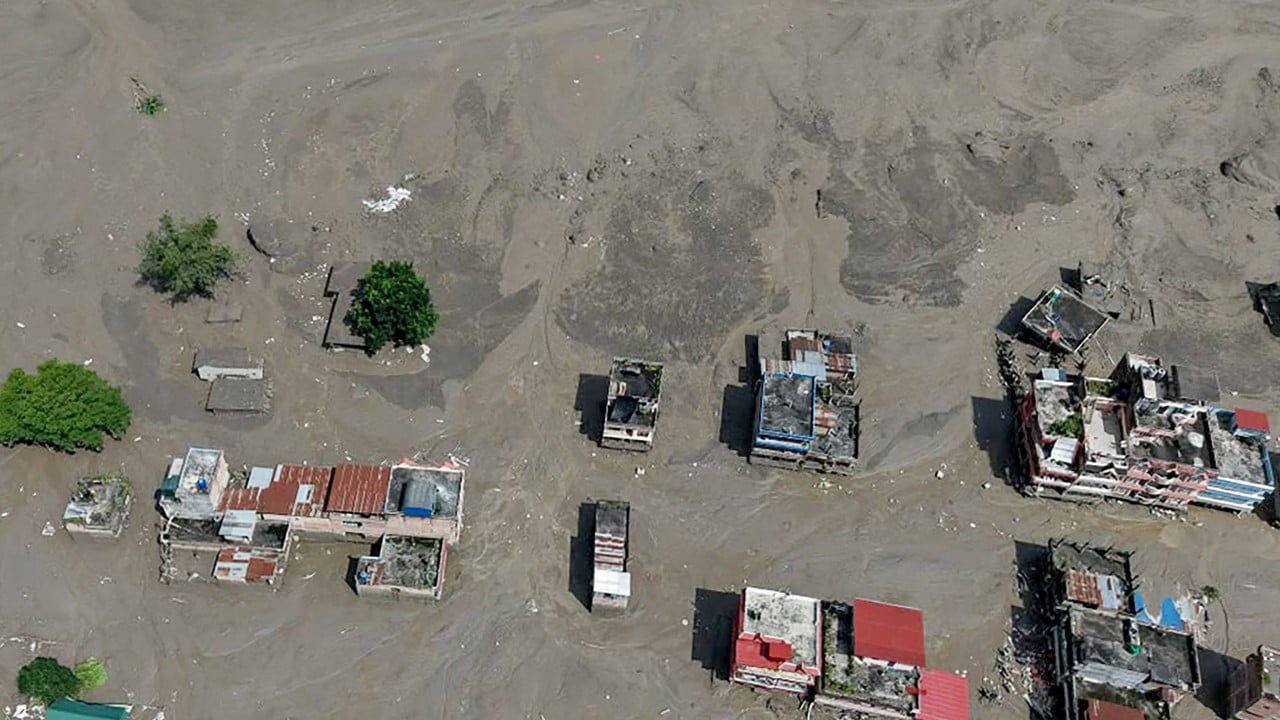
A devastating glacier collapse in the Himalayas triggered a catastrophic flash flood and mudslide, striking the critical Gyirong Port crossing along the China-Nepal border on Wednesday. The disaster has dealt a severe blow to China-Nepal trade and jeopardized Kathmandu's strategic push to lessen its dependence on Indian transit routes.
Chinese officials confirmed three fatalities and reported that more than 500 people, including 260 foreign nationals, remained missing as of Thursday. Nepal's official death toll stood at 359, with over 900 people missing, including 517 foreigners. The Ministry of Natural Resources in China stated that the mudslide originated from a high-altitude glacier collapse within Nepal, which rapidly transformed into a high-velocity debris flow. According to Guo Zhaocheng, a senior engineer at the ministry's Aero Geophysical Survey and Remote Sensing Centre, the ice rushed down a channel at high speed, gathering vast amounts of glacial moraine and rock before hitting Gyirong Port and surging into Nepali territory.
Gyirong Port serves as a strategic gateway, handling nearly 30% of the total trade volume between China and Nepal in 2024. It is also a primary overland entry point for Indian pilgrims traveling to Tibet. The disaster has left approximately 280 Indian pilgrims missing, according to India's Ministry of External Affairs, underscoring the international impact of the event.
Experts suggest that Beijing and Kathmandu must consider environmental factors and adapt their construction methods if they are to proceed with ambitious infrastructure projects in the region. The incident highlights the vulnerability of critical trade routes and infrastructure in the face of extreme weather events exacerbated by climate change. The immediate focus remains on rescue efforts and accounting for the missing, while the long-term implications for regional trade and infrastructure development are significant.
The collapsing ice rushed down the channel at high speed, swept up vast glacial moraine, or scraped rock, and evolved into a debris flow before hitting Gyirong Port and surging downstream into Nepali territory.
About this summary
Originally published by South China Morning Post in English. Translated, summarized, and contextualized automatically by DistantNews, with a note on how the source frames the story. Not individually reviewed before publishing. How this works.
More Stories


From Our Blog

Countries Without a Free Press: What You Need to Know

What Press Freedom Means for the News You Read

What Gets Lost (and Found) When News Is Translated

The Critical Role of Diaspora Media in Global News

What Travellers Should Know About Countries with Restricted Press
