


China Presents Peace Plan for Middle East Amid Economic Concerns and Geopolitical Risks
Translated from Hungarian, summarized and contextualized by DistantNews.
TLDR
- China has presented a four-point peace proposal for the Middle East conflict, signaling increased diplomatic engagement.
- The proposal comes amid concerns over rising global prices, supply chain disruptions, and geopolitical risks impacting China's economy.
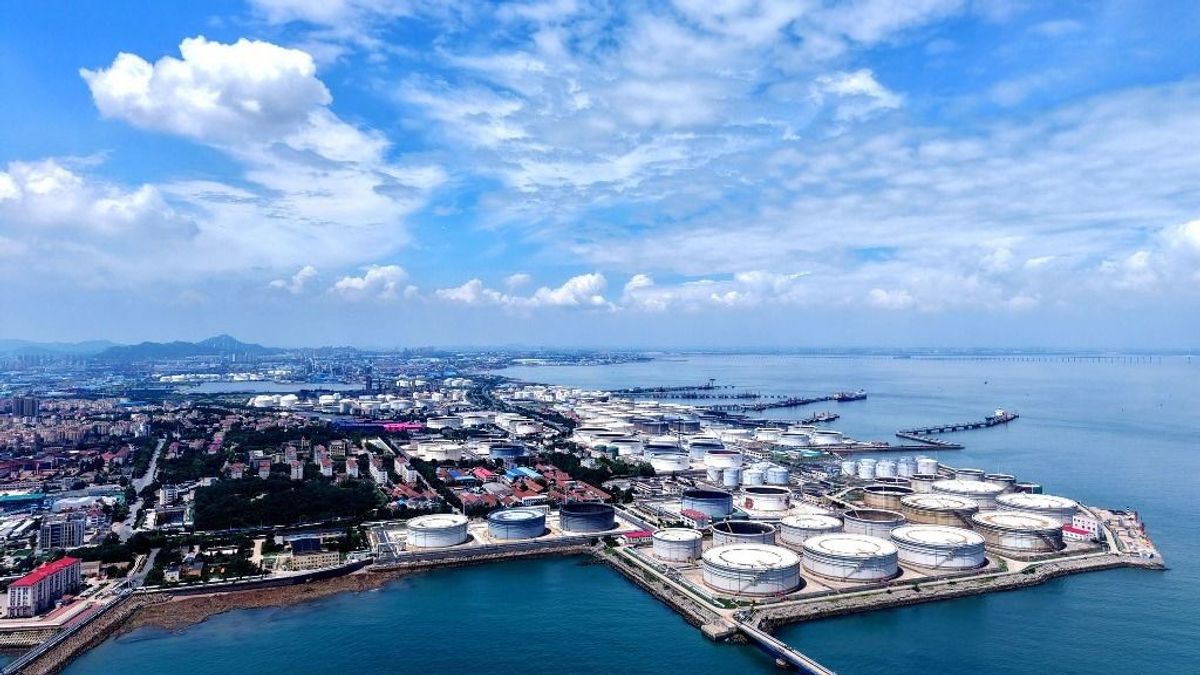
- China's significant oil reserves and dependence on imports make the Strait of Hormuz crucial for its energy security.
China is actively seeking to play a more prominent role in resolving the escalating Middle East conflict, recently articulating a detailed four-point peace proposal. This diplomatic initiative underscores Beijing's growing assertiveness on the international stage, particularly following the breakdown of US-Iran negotiations. China's leadership has been engaged in efforts to broker a ceasefire, and its influence was reportedly instrumental in bringing Iran to the negotiating table earlier. This proactive stance reflects China's ambition to be a key player in global diplomacy and conflict resolution.
However, China's diplomatic maneuvers are intrinsically linked to significant economic considerations. While the nation largely meets its energy needs domestically, it remains heavily reliant on oil imports, which constitute about 18% of its energy mix. Although substantial strategic reserves, sufficient for up to three months, have been accumulated and their use authorized, the ripple effects of global price increases are becoming increasingly palpable. Rising transportation and manufacturing costs, coupled with potential inflationary pressures, threaten to squeeze corporate profits and reduce household disposable income, potentially dampening consumption.
The geopolitical risks associated with the conflict, especially concerning the Strait of Hormuz—a vital chokepoint for China's energy imports—add another layer of complexity. While current reserves may mitigate short-term impacts, a prolonged blockade could trigger severe supply and price shocks, impacting fuel production. The potential for a global economic slowdown stemming from an extended conflict also poses a significant threat to China's export-driven economy. Beijing's diplomatic engagement is thus a delicate balancing act, aimed at fostering peace while safeguarding its economic interests against a backdrop of increasing global instability.
DistantNews Editorial
Originally published by Magyar Nemzet in Hungarian. Translated, summarized, and contextualized by our editorial team with added local perspective. Read our editorial standards.
More Stories

From Our Blog

Countries Without a Free Press: What You Need to Know

What Press Freedom Means for the News You Read

What Gets Lost (and Found) When News Is Translated

The Critical Role of Diaspora Media in Global News

What Travellers Should Know About Countries with Restricted Press
