

China proposes nuclear-powered floating island to reshape global shipping
Summarized and contextualized by DistantNews.
At a glance
News
Sources not specified
New plan
- A Chinese shipbuilder has proposed a massive, nuclear-powered floating island to serve as a container transfer terminal and vessel charging station.
- The island will be powered by advanced molten salt reactors, utilizing liquefied salt for fuel and coolant, offering high thermal energy storage and water-independent cooling.
- This concept aims to create a zero-emission logistics ecosystem and provide a groundbreaking solution for the global shipping industry's carbon-neutral transformation.
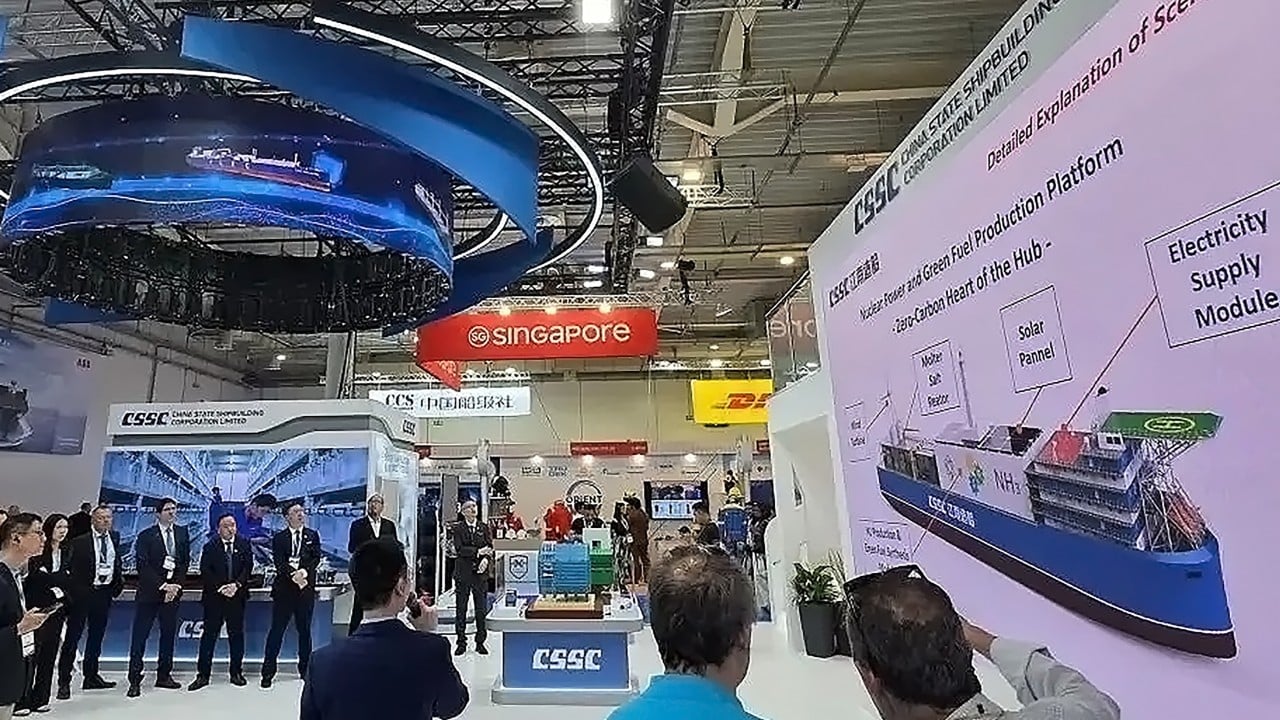
Jiangnan Shipyard, a subsidiary of China State Shipbuilding Corporation, has unveiled a blueprint for a colossal, nuclear-powered floating island designed to revolutionize global shipping. This ambitious project envisions a massive structure that will function as a container transfer terminal and a charging station for vessels.
The proposed floating terminal will harness the power of advanced molten salt reactors. These reactors use liquefied salt as both fuel and coolant, enabling them to store substantial amounts of thermal energy and operate without the need for water-based cooling systems. Jiangnan Shipyard stated that the complex would become a "new ecosystem for zero-emission ocean container logistics" and offer a "groundbreaking solution for the global shipping industry’s carbon neutral transformation."
This green marine transport hub concept, integrating shipping, port operations, energy production, and transshipment, was presented at the Posidonia International Shipping Exhibition in Greece. Engineers at the shipyard have been actively developing nuclear-powered vessels, including a cargo ship concept announced last year designed to be powered by a thorium-based molten salt reactor with a capacity for 25,000 shipping containers.
According to Jiangnan Shipyard's presentation, the floating island complex will feature a "zero-carbon heart of the hub." This central platform will house a molten salt reactor, alongside solar panels, a wind turbine, a hydrogen production and green-fuel synthesis module, and an electricity supply module, all contributing to its self-sustaining and environmentally conscious design.
DistantNews Editorial
Originally published by South China Morning Post. Summarized and contextualized by our editorial team with added local perspective. Read our editorial standards.
More Stories

From Our Blog

Countries Without a Free Press: What You Need to Know

What Press Freedom Means for the News You Read

What Gets Lost (and Found) When News Is Translated

The Critical Role of Diaspora Media in Global News

What Travellers Should Know About Countries with Restricted Press
