

China Replaces Middle East Oil with Xinjiang Coal Amid Global Supply Disruptions
Translated from English, summarized and contextualized by DistantNews.
At a glance
News
Named sources
Context piece
- China is increasingly using coal-derived chemicals to mitigate the impact of global oil supply disruptions, particularly amid the war in Iran.
- The Zhundong National Economic and Technological Development Zone in Xinjiang is a major hub for large-scale coal-chemical production, utilizing vast coal reserves.
- This shift towards coal chemicals signifies a strategic move by China to bolster its energy security and industrial output, potentially altering global energy dynamics.
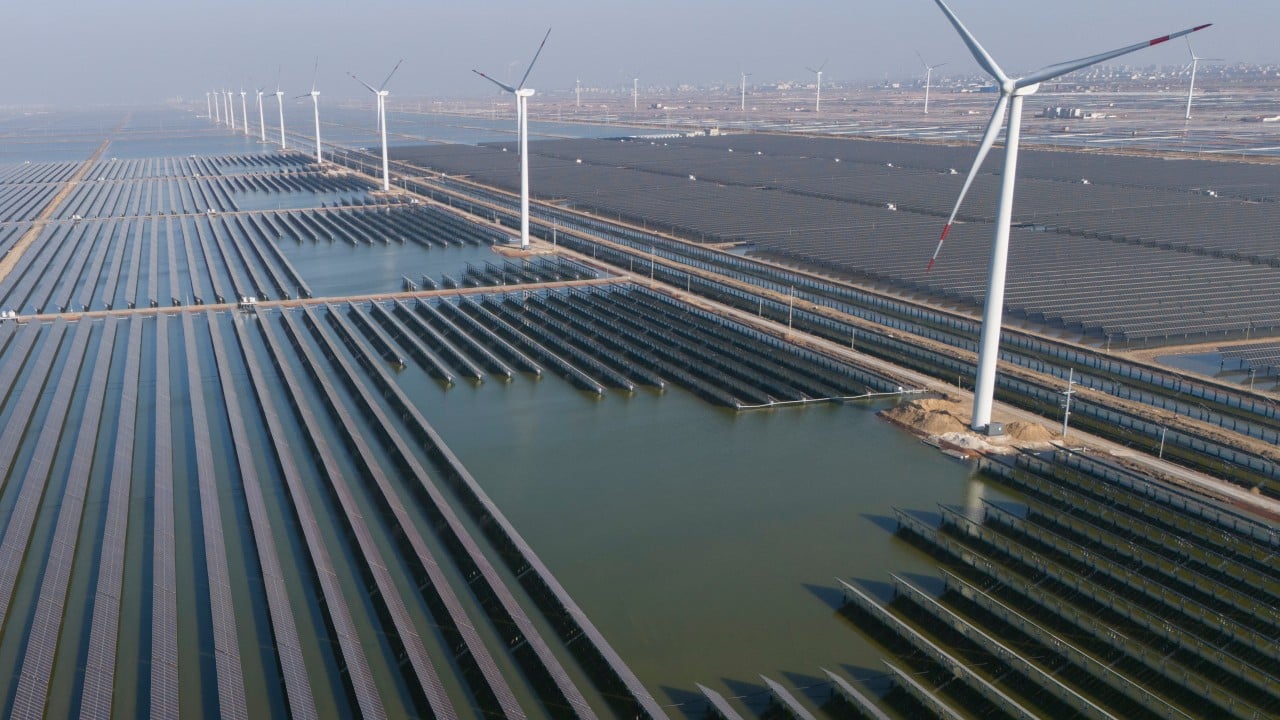
As global oil markets face unprecedented volatility due to geopolitical conflicts, China is strategically pivoting towards its abundant coal reserves to ensure energy and industrial stability. The nation's burgeoning coal-chemical sector, particularly in Xinjiang, is emerging as a critical buffer against oil shocks, signaling a significant shift in global energy reliance.
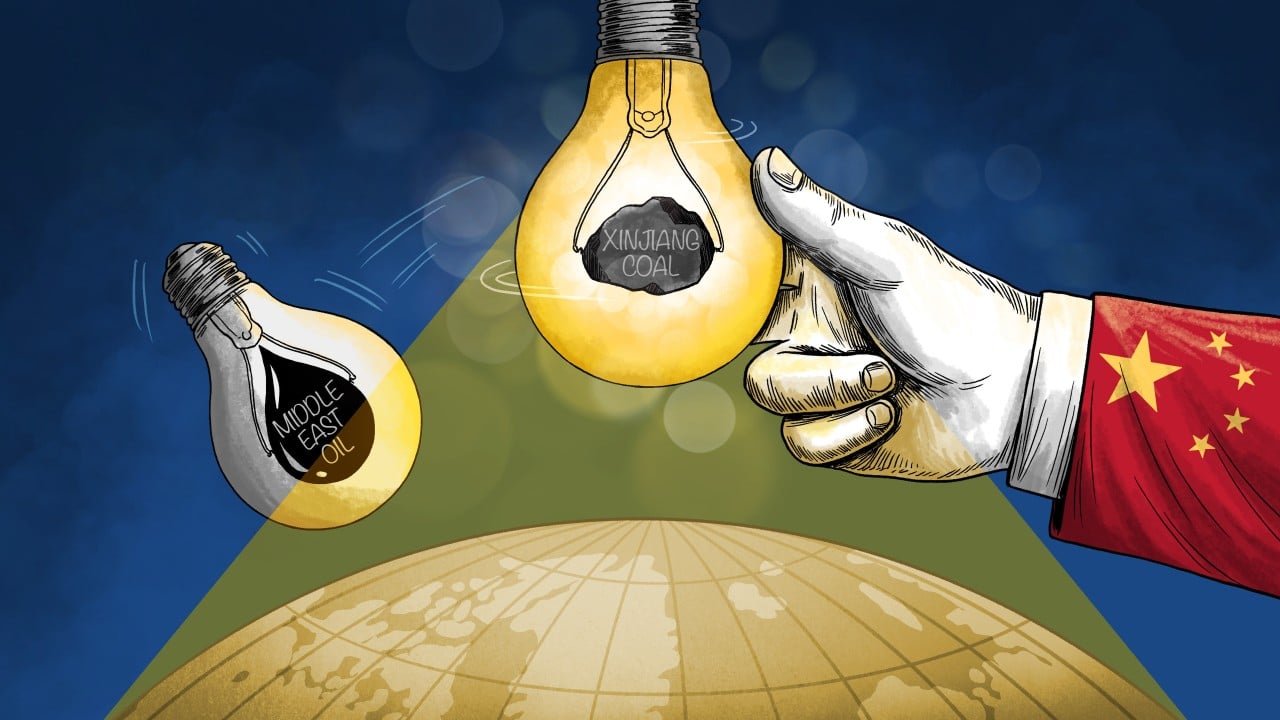
Xinjiang's Zhundong National Economic and Technological Development Zone stands at the forefront of this transformation. Sitting atop an estimated 390 billion tonnes of coal reserves, this region is rapidly developing into a "new Middle East"—powered not by oil, but by coal. Here, state-of-the-art facilities are converting coal into a diverse range of products, including liquid fuels, clean gases, plastics, and chemical fertilizers, underscoring China's ambition to achieve greater self-sufficiency.
This strategic emphasis on coal chemicals is more than just a response to current market disruptions; it represents a long-term vision for energy security and economic resilience. By leveraging its domestic coal resources, China aims to reduce its dependence on foreign oil, particularly from the Middle East, and insulate its industrial base from the vagaries of international energy politics. The implications for the global energy landscape are profound, potentially reshaping trade flows and influencing international energy policies as China solidifies its position as a major player in the coal-chemical industry.
DistantNews Editorial
Originally published by South China Morning Post in English. Translated, summarized, and contextualized by our editorial team with added local perspective. Read our editorial standards.
More Stories

From Our Blog

Countries Without a Free Press: What You Need to Know

What Press Freedom Means for the News You Read

What Gets Lost (and Found) When News Is Translated

The Critical Role of Diaspora Media in Global News

What Travellers Should Know About Countries with Restricted Press
