



China rescuers race against time in Tibet mudslide zone; threat from new lake recedes
Translated from English and summarized by DistantNews. Read the original for the full story.
At a glance
News
From a news agency
Ongoing story
- Rescuers are intensifying efforts in Tibet's Gyirong county following a deadly mudslide that occurred on August 26, killing at least seven and leaving 554 missing.
- A significant threat of renewed flooding from a lake formed by the mudslide has eased as the lake began to drain naturally.
- Rescue operations continue to face challenges including rain, damaged roads, and rugged terrain, with hundreds of rescuers deployed to the affected area.
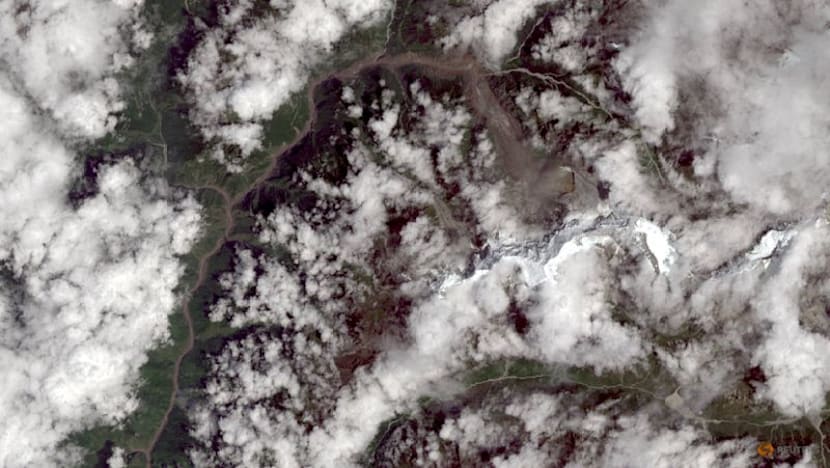
Chinese rescuers are pushing towards the epicenter of a devastating mudslide on the Tibet-Nepal border, as a newly formed lake that posed a risk of further flooding has begun to drain. The massive wave of mud and debris struck Gyirong, a border town in Tibet, on August 26, resulting in at least seven confirmed deaths and 554 people missing, according to state media.
By August 29, over 500 rescuers had reached the most severely impacted areas. Rescue efforts had been temporarily halted due to fears of renewed flooding from the lake created by the landslide. However, state broadcaster CCTV reported late on August 29 that the lake was discharging naturally and had largely drained, citing information from China's ministry of water resources.
The disaster is believed to have been caused by a glacial collapse, according to the US Geological Survey, though the exact trigger remains unclear. The report notes that global glacier melt due to climate change increases the risk of such catastrophic events.
Despite progress in draining the lake, rescue operations remain difficult. Rescuers are contending with ongoing rain, impassable access roads, and the challenging mountainous terrain. Footage shared by CCTV showed firefighters using inflatable boats and being airlifted by drones, while excavators and bulldozers worked to clear debris and reopen routes. Light to moderate rain is forecast for the region until August 30.
The lake was discharging naturally and had been essentially drained.
About this summary
Originally published by The Straits Times in English. Translated, summarized, and contextualized automatically by DistantNews, with a note on how the source frames the story. Not individually reviewed before publishing. How this works.
More Stories


From Our Blog

What Gets Lost (and Found) When News Is Translated

The Critical Role of Diaspora Media in Global News

What Travellers Should Know About Countries with Restricted Press

A Digital Nomad's Guide to Following Local News

How the Same Story Looks Different in Different Countries
