


India boosts glacier monitoring after Nepal disaster
Translated from English and summarized by DistantNews. Read the original for the full story.
At a glance
News
From a news agency
Ongoing story
- India is intensifying monitoring of its Himalayan glaciers following a deadly flood in Nepal apparently caused by a glacial collapse.
- The disaster on the Tibet-Nepal border on August 26 resulted in nearly 3,000 missing and 633 confirmed deaths, according to the US Geological Survey.
- Climate change is identified as a primary driver of glacier melt, raising concerns about increased risks of landslides and other disasters in ecologically sensitive regions.
India is enhancing its monitoring of Himalayan regions bordering China and Nepal, days after a devastating flood in neighboring Nepal was reportedly triggered by a glacial collapse. Authorities confirmed on Saturday, August 29, that the country is taking these precautionary measures.
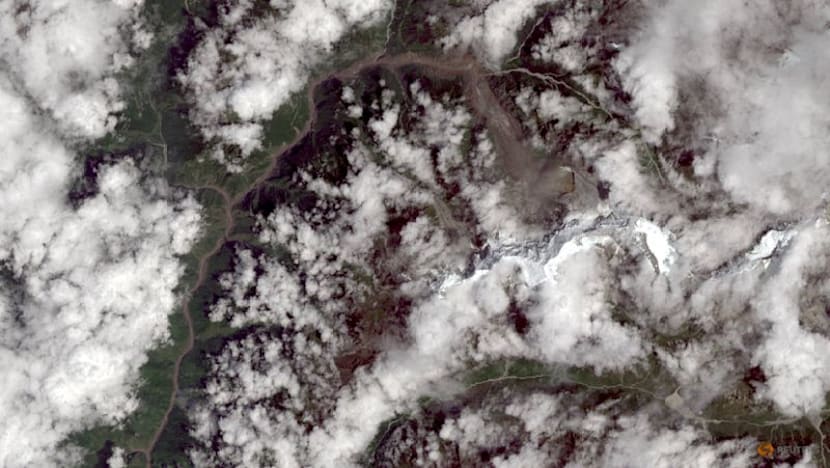
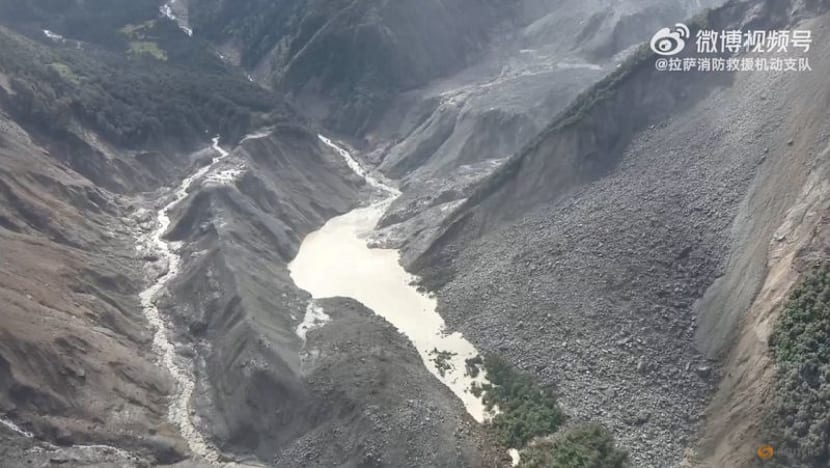
The disaster on August 26, occurring on the Tibet-Nepal border, was caused by a glacial collapse that unleashed a torrent of debris. The US Geological Survey reported that nearly 3,000 people are missing and 633 have been confirmed dead. While the precise cause of the collapse remains under investigation, scientists widely attribute the increasing frequency and severity of such events to climate change.
Since we share a border with Nepal, as a neighbour, and also have a similar geographic situation... we have asked our department to monitor all the glaciers and known glacial lakes in the region.
"Since we share a border with Nepal, as a neighbour, and also have a similar geographic situation... we have asked our department to monitor all the glaciers and known glacial lakes in the region," stated Madan Kaushik, the state disaster management minister for India's Himalayan state of Uttarakhand. He added, "We have asked our teams to be vigilant and monitor if a similar situation is emerging anywhere in the state."
Uttarakhand, one of India's most ecologically sensitive areas, is home to 1,266 glacial lakes, according to government data. Scientists warn that Himalayan glaciers, which are vital water sources for nearly two billion people, are melting at an unprecedented rate due to climate change. This accelerated melting not only increases the risk of catastrophic floods and mudslides but can also destabilize mountain slopes, leading to landslides. Experts suggest that the combination of climate change and poorly planned development is exacerbating the frequency and impact of these disasters.
We have asked our teams to be vigilant and monitor if a similar situation is emerging anywhere in the state.
About this summary
Originally published by CNA in English. Translated, summarized, and contextualized automatically by DistantNews, with a note on how the source frames the story. Not individually reviewed before publishing. How this works.
More Stories


From Our Blog

What Gets Lost (and Found) When News Is Translated

The Critical Role of Diaspora Media in Global News

What Travellers Should Know About Countries with Restricted Press

A Digital Nomad's Guide to Following Local News

How the Same Story Looks Different in Different Countries
