


China, Russia tighten ties ahead of Trump's visit; Xi vows 'stronger strategic cooperation'
Translated from Korean, summarized and contextualized by DistantNews.
TLDR
- Chinese President Xi Jinping met with Russian Foreign Minister Sergey Lavrov in Beijing, emphasizing strengthened strategic cooperation between the two nations.
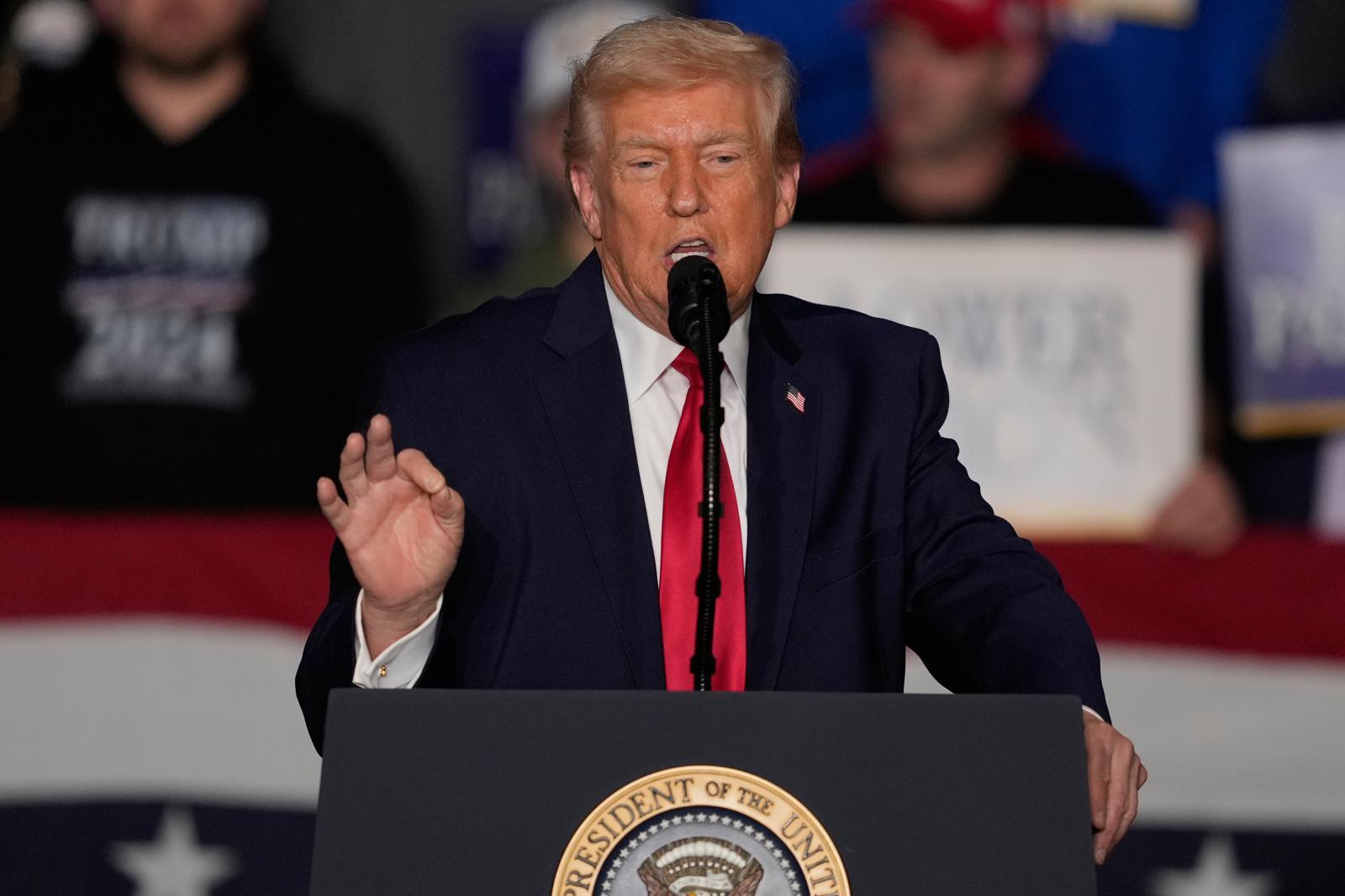
- The meeting occurred ahead of President Trump's planned visit to China, signaling a united front against perceived US unilateralism and hegemony.
- Both leaders stressed the importance of multilateralism, restoring the UN's authority, and deepening cooperation within organizations like the Shanghai Cooperation Organization and BRICS.
Ahead of President Donald Trump's anticipated visit to China, President Xi Jinping's meeting with Russian Foreign Minister Sergey Lavrov underscores a deepening strategic alignment between Beijing and Moscow. The Hankyoreh interprets this high-level engagement as a clear signal of Sino-Russian solidarity, aimed at presenting a united front against what they perceive as increasing US unilateralism and hegemonic tendencies on the global stage.
In the time of the great change of the century, China and Russia must resolutely safeguard the legitimate interests of both countries through closer and stronger strategic cooperation.
Xi Jinping articulated this shared vision, stating, "In the face of unprecedented changes in a century, China and Russia must resolutely safeguard the legitimate interests of both countries through closer and stronger strategic cooperation." This statement, delivered during his meeting with Lavrov, highlights a mutual commitment to bolstering their bilateral relationship, particularly in the context of a shifting international order. The emphasis on safeguarding 'legitimate interests' can be seen as a veiled reference to countering US influence and sanctions.
We must maintain the unity of the Global South and demonstrate our responsibility as permanent members of the UN Security Council.
The leaders also focused on multilateralism and the role of international institutions. Xi urged for the restoration of the UN's authority and closer cooperation within frameworks like the Shanghai Cooperation Organization (SCO) and BRICS. Lavrov echoed these sentiments, criticizing the formation of "small groups" by certain countries to contain Russia and China, and stressing the need for close coordination on multilateral platforms and international affairs. This shared stance positions China and Russia as champions of a multipolar world order, challenging the existing US-led international system.
Russia is willing to supplement the energy sources of China, as well as other countries that wish to cooperate with us.
From a Chinese perspective, as reported by the Hankyoreh, this strategic partnership with Russia is crucial for navigating the complex geopolitical landscape, especially with the US administration's assertive foreign policy. The article notes Wang Yi's earlier remarks about the "harm of unilateralism and hegemony" and his confidence that "cooperation between China and Russia is firm despite numerous trials." This narrative of resilience and mutual support is central to China's foreign policy messaging, aiming to reassure allies and project strength in the face of external pressures. The potential visit of Russian President Putin to China shortly after Trump's trip further emphasizes the strategic importance Beijing places on its relationship with Moscow.
Some countries are creating various 'small groups' to contain Russia and China.
DistantNews Editorial
Originally published by Hankyoreh in Korean. Translated, summarized, and contextualized by our editorial team with added local perspective. Read our editorial standards.
More Stories


From Our Blog

What Gets Lost (and Found) When News Is Translated

The Critical Role of Diaspora Media in Global News

What Travellers Should Know About Countries with Restricted Press

A Digital Nomad's Guide to Following Local News

How the Same Story Looks Different in Different Countries
