


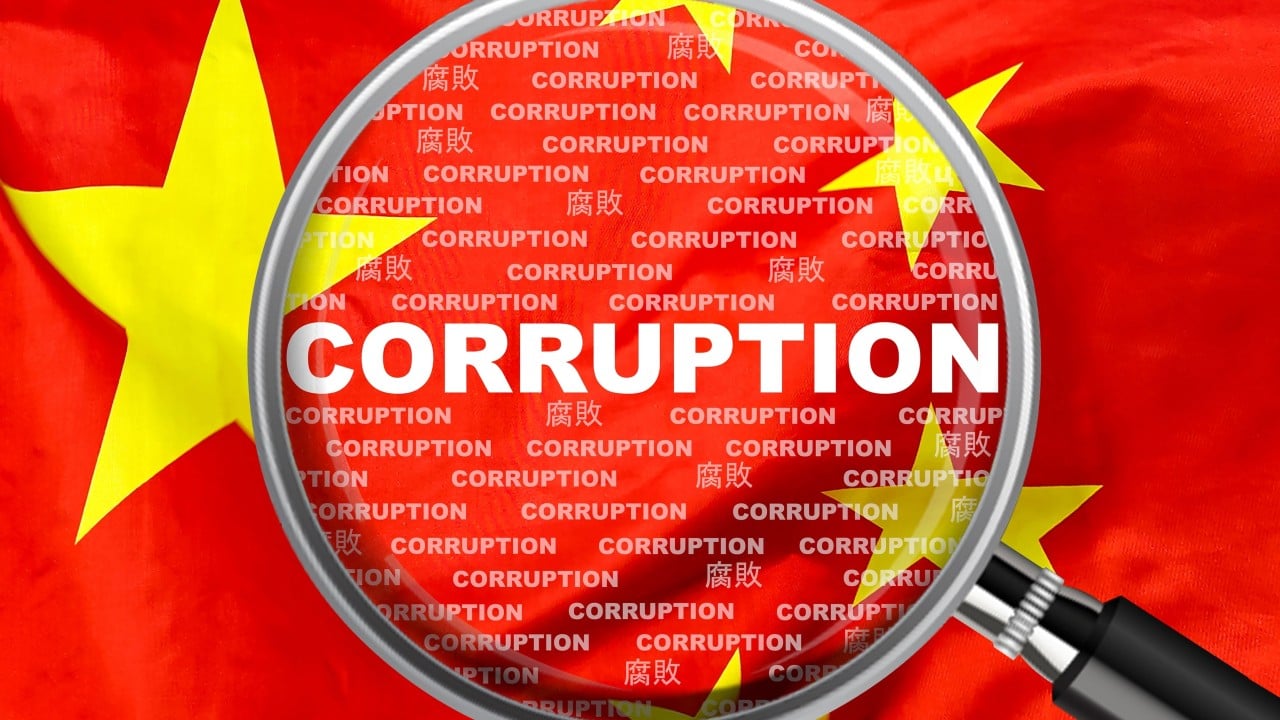
China's anti-corruption legal framework set to expand internationally
Translated from English, summarized and contextualized by DistantNews.
At a glance
News
From a news agency
New plan
- China's top legislature is reviewing a draft law to combat cross-border corruption.
- The proposed Anti-Cross-Border Corruption Law aims to expand China's anti-graft legal framework internationally.
- Key objectives include facilitating fugitive repatriation, asset recovery, and prosecuting offshore corruption cases.
China's top legislature is considering a draft law designed to extend its anti-corruption efforts beyond national borders. The proposed Anti-Cross-Border Corruption Law underwent its first reading at the 24th session of the Standing Committee of the 14th National People's Congress (NPC).
This legislative initiative is seen as crucial for completing China's foreign-related legal framework. According to state news agency Xinhua, the law aims to protect national interests, promote compliant overseas business operations, and enhance the legal tools for repatriating fugitives, recovering illicit assets, and handling international corruption cases.
The draft law seeks to codify a decade of anti-corruption practices, addressing jurisdictional loopholes and targeting offshore financial crimes. It aims to overcome persistent challenges such as difficulties in detecting offenses, collecting evidence, repatriating assets, and prosecuting crimes committed abroad.
Comprising six chapters and 47 articles, the draft law outlines key principles, scope, and national positioning for combating foreign corruption. The full text of the bill is not yet publicly available.
DistantNews Editorial
Originally published by South China Morning Post in English. Translated, summarized, and contextualized by our editorial team with added local perspective. Read our editorial standards.
More Stories


From Our Blog

Countries Without a Free Press: What You Need to Know

What Press Freedom Means for the News You Read

What Gets Lost (and Found) When News Is Translated

The Critical Role of Diaspora Media in Global News

What Travellers Should Know About Countries with Restricted Press
