


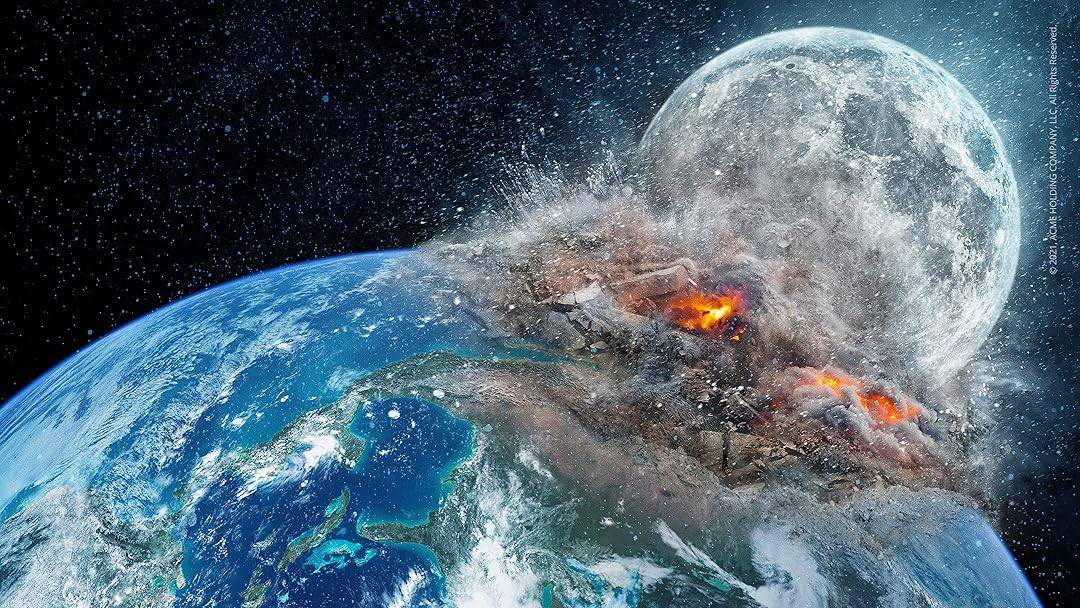
China's 'Armageddon' plan: Nuclear shield against world-ending asteroids
Translated from Turkish, summarized and contextualized by DistantNews.
At a glance
News
Sources not specified
Context piece
- Chinese scientists have developed a planetary defense project to neutralize or deflect asteroids threatening Earth.
- The plan involves using nuclear explosions, either to vaporize smaller asteroids or break apart larger ones.
- Researchers emphasize the need for early detection and advanced spacecraft capable of carrying nuclear warheads, calling it a necessary choice for humanity's survival.
Chinese researchers have devised a planetary defense strategy to counter the threat of asteroids capable of causing mass extinction. Inspired by the movie "Armageddon," the project aims to destroy or alter the course of devastating space rocks.
The proposed method involves detonating nuclear devices. For asteroids up to 50 meters in diameter, a 300-kiloton nuclear blast could completely vaporize them. Larger asteroids, potentially causing mass extinctions, would require 3-megaton nuclear explosives to break apart.
In crisis moments where detection time is limited to days or weeks, this method will be the only option to save humanity.
Scientists acknowledge significant technical hurdles. The plan hinges on detecting threats months in advance and developing new spacecraft capable of carrying heavy drilling equipment and nuclear warheads. They stress that in crisis situations, where detection time is limited to days or weeks, this nuclear approach is humanity's only viable option.
The researchers highlight that asteroid impacts have caused mass extinctions throughout Earth's history. They argue that space defense systems are now a national security issue, and this nuclear shield project offers strategic security against existential threats from space, ensuring the continuity of human civilization.
The nuclear shield project will constitute a strategic safeguard against doomsday scenarios coming from space, ensuring the continuity of human civilization.
DistantNews Editorial
Originally published by Cumhuriyet in Turkish. Translated, summarized, and contextualized by our editorial team with added local perspective. Read our editorial standards.
More Stories

From Our Blog

What Gets Lost (and Found) When News Is Translated

The Critical Role of Diaspora Media in Global News

What Travellers Should Know About Countries with Restricted Press

A Digital Nomad's Guide to Following Local News

How the Same Story Looks Different in Different Countries
