

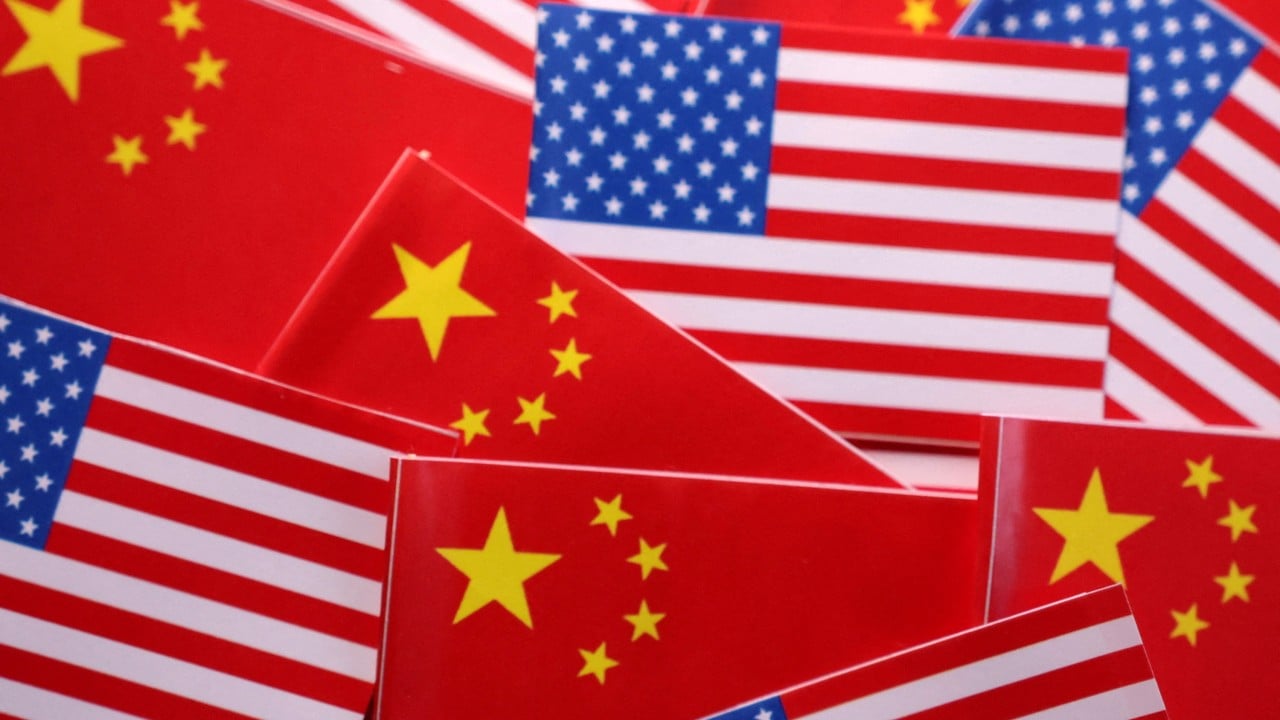
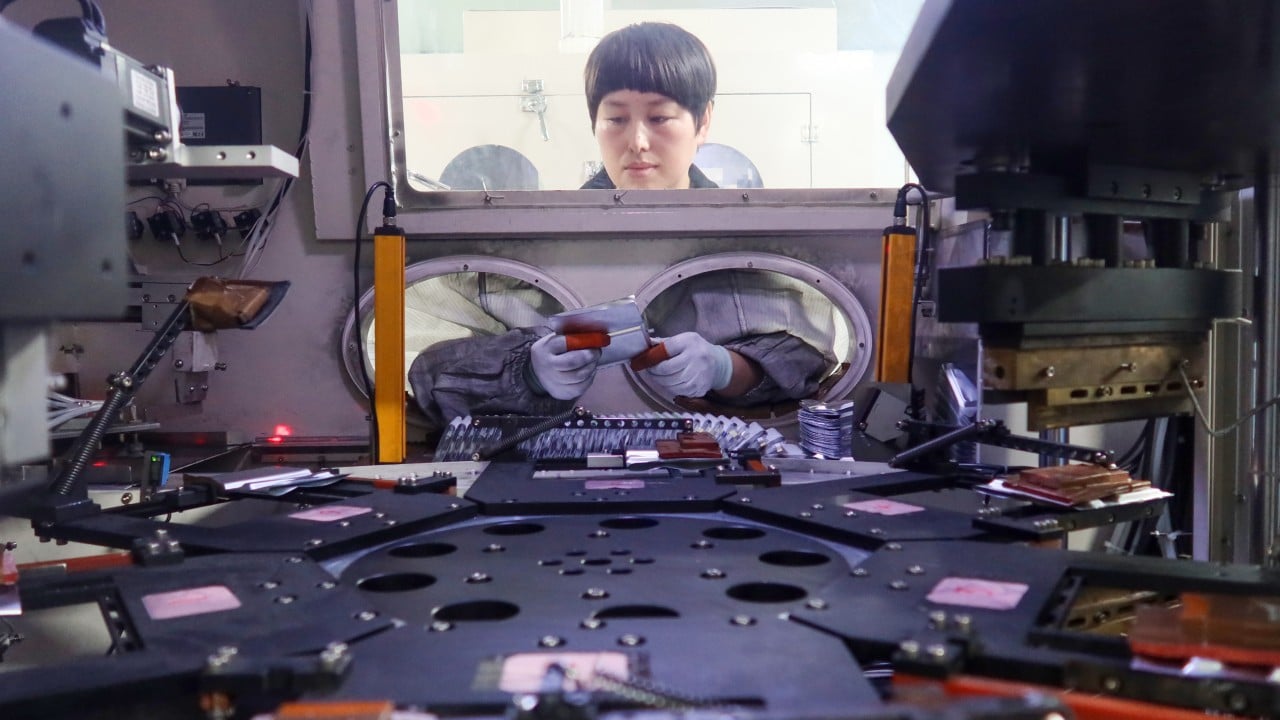
China's battery makers set to win as Iran conflict boosts energy storage demand: Fitch
Translated from English, summarized and contextualized by DistantNews.
TLDR
- China's battery manufacturers are positioned to benefit from the US-Israeli conflict in Iran, according to Fitch Ratings.
- Global demand for energy storage is rising due to high oil prices and expanding AI data centers, with Chinese LFP battery producers holding significant advantages in technology and cost.
- China produces over 80% of all batteries and nearly all LFP battery manufacturing capacity, benefiting from a hyper-competitive domestic market and lower production costs compared to Western competitors.
Fitch Ratings identifies Chinese battery manufacturers as the primary beneficiaries of the ongoing US-Israeli conflict in Iran, a development that underscores China's dominant role in the global energy storage sector. The credit rating agency highlights that the increasing demand for energy storage, fueled by high oil prices and the burgeoning needs of artificial intelligence data centers, will disproportionately favor Chinese companies. This is attributed to their "overwhelming advantage globally" in technology, cost-efficiency, and industrial scale, particularly in the production of lithium iron phosphate (LFP) batteries.
Wang Ying, a managing director at Fitch, emphasized that Chinese producers of LFP batteries possess "absolute" advantages, making it difficult for international competitors to challenge their market position in the near term. This outlook is supported by data indicating China's dominance, producing over 80% of all batteries and nearly all global LFP manufacturing capacity. The report also points to a significant cost advantage, with production expenses in the United States and Europe being up to 50% higher, even without factoring in government subsidies.
We believe that China’s leading energy storage cell manufacturers will be the bigger winners because they hold an overwhelming advantage globally.
The competitive edge of Chinese manufacturers stems from a hyper-competitive domestic market characterized by cutthroat price wars and persistent overcapacity. This environment, while challenging for some downstream firms, drives innovation and cost reduction, solidifying China's position as a leader in what Beijing terms one of its "new three" sources of green growth, alongside photovoltaics and electric vehicles. For China, this situation represents not just an economic opportunity but a validation of its strategic industrial policies and manufacturing prowess on the global stage.
Consequently, it will be difficult for competitors from other countries to replace them in the short term.
DistantNews Editorial
Originally published by South China Morning Post in English. Translated, summarized, and contextualized by our editorial team with added local perspective. Read our editorial standards.
More Stories


From Our Blog

Countries Without a Free Press: What You Need to Know

What Press Freedom Means for the News You Read

What Gets Lost (and Found) When News Is Translated

The Critical Role of Diaspora Media in Global News

What Travellers Should Know About Countries with Restricted Press
