


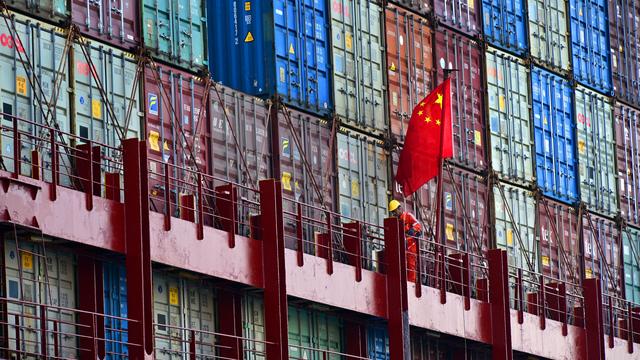
China's Exports Surge Unexpectedly on AI Hardware Demand
Translated from German, summarized and contextualized by DistantNews.
At a glance
News
Official statement
New plan
- China's exports surged 19.4% in May, exceeding economists' expectations and driven by strong demand for AI hardware.
- The country's trade surplus widened to over $105 billion, with significant growth in shipments to the United States.
- While robust exports offer some relief to China's economy, they also contribute to trade tensions with partners critical of its export model.
China's foreign trade experienced a surprising surge in May, with exports climbing 19.4% year-on-year. This robust performance, exceeding the 15% growth predicted by experts, was largely fueled by high demand for semiconductors and hardware essential for artificial intelligence (AI) development.
The country's trade surplus expanded significantly, reaching over $105 billion in May, a $13 billion increase from April and surpassing expectations. Exports to the United States saw a notable jump, with China shipping nearly $39 billion worth of goods, a $10 billion increase compared to the same period last year, even amidst ongoing trade disputes.
Beyond AI hardware, global market uncertainties, including the conflict in Iran, have also bolstered China's export sector. Foreign buyers reportedly accelerated orders to hedge against rising energy costs and potential supply chain disruptions. Key export categories include microchips, electric vehicles, and solar panel products.
This export boom comes at a critical time for China's economy, which has been grappling with weak domestic demand. The country's reliance on state subsidies for market share gains has also drawn scrutiny from organizations like the OECD. While strong foreign trade can cushion the impact of a struggling domestic market, it simultaneously exacerbates tensions with international partners who accuse China of unfair trade practices.
DistantNews Editorial
Originally published by Die Zeit in German. Translated, summarized, and contextualized by our editorial team with added local perspective. Read our editorial standards.
More Stories



From Our Blog

What Gets Lost (and Found) When News Is Translated

How the Same Story Looks Different in Different Countries

The Critical Role of Diaspora Media in Global News

What Travellers Should Know About Countries with Restricted Press

A Digital Nomad's Guide to Following Local News
