

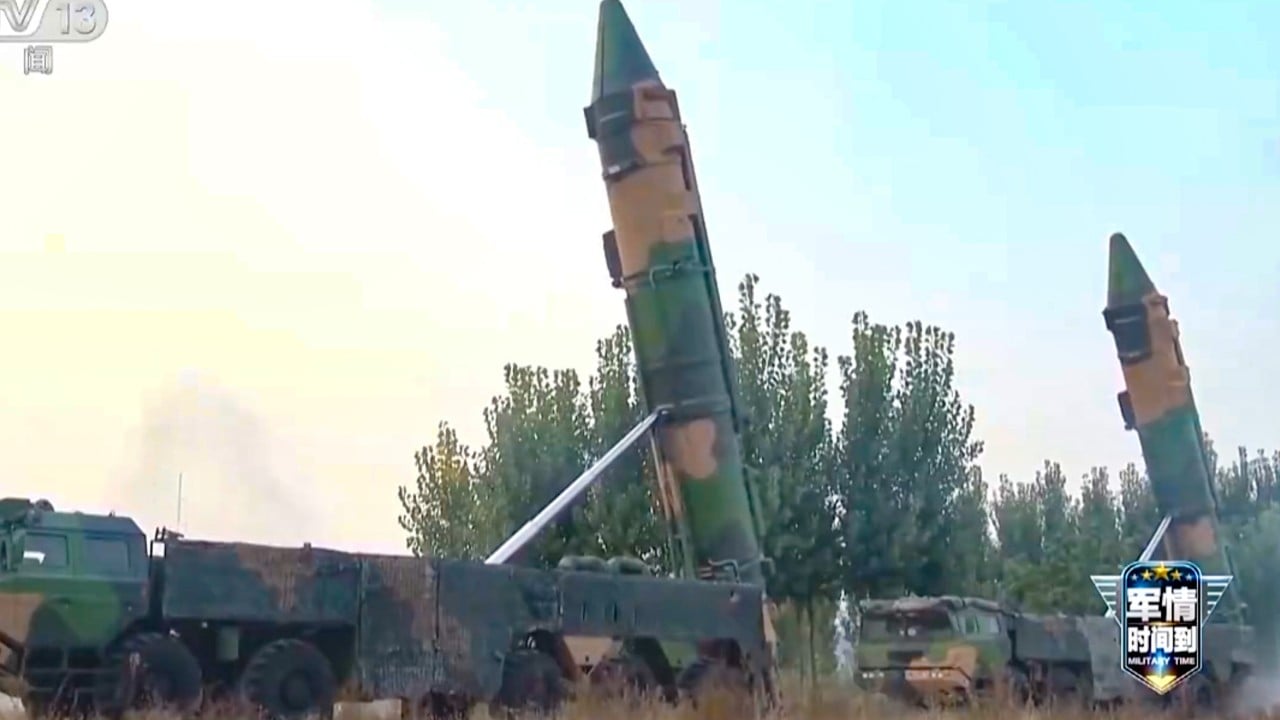
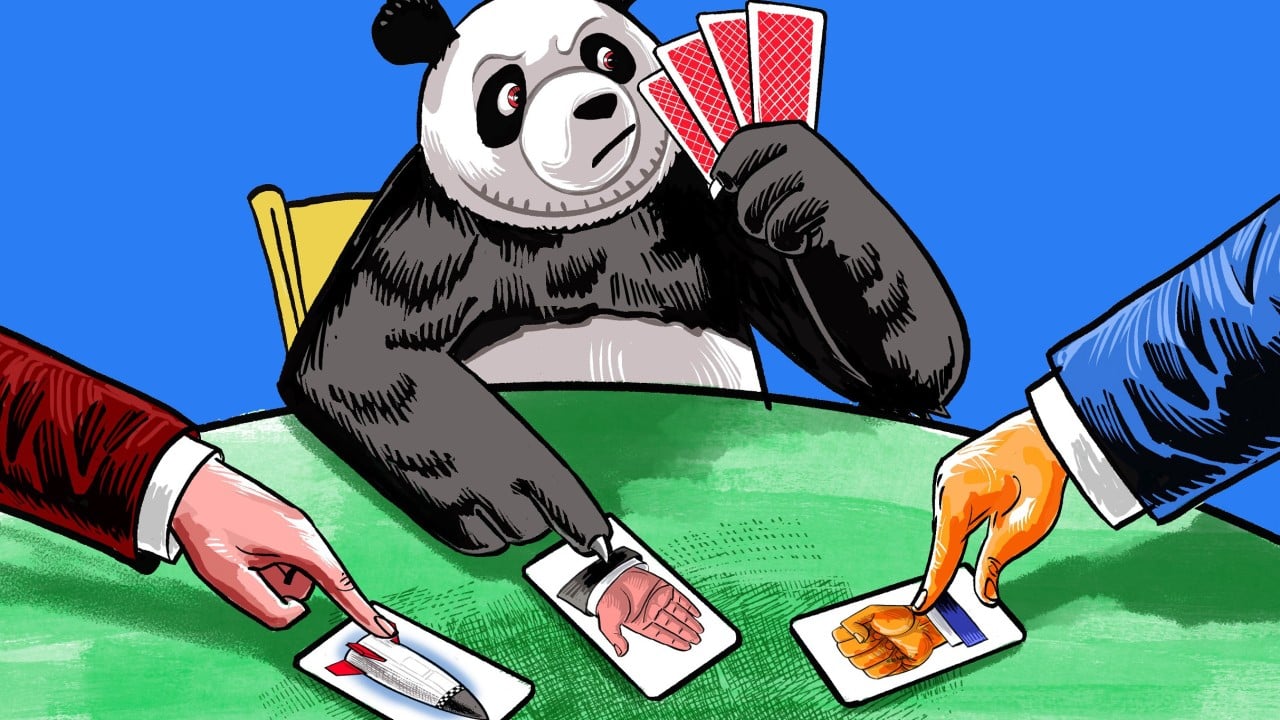
China’s Iran strategy an exercise in power without projection
Summarized and contextualized by DistantNews.
At a glance
Analysis
Named sources
Context piece
- China demonstrated strategic restraint regarding the US-Iran conflict, leveraging its economic ties to influence Tehran.
- Beijing engaged in discreet diplomacy, including numerous calls by its foreign minister and a regional shuttle mission by a special envoy.
- China supported Pakistan's mediation efforts and framed the conflict as a multilateral crisis, contributing to a memorandum of understanding.
China's approach to the US-Iran conflict showcased a strategy of "power without projection," according to Wenran Jiang, an adviser at the Institute for Peace and Diplomacy. This involved exerting influence through economic interdependence rather than overt military displays.
could have sent in an oil ship with six destroyers alongside of it, on each side
Jiang noted that US President Donald Trump's acknowledgment of China's "neutrality" was a significant shift. Beijing's restraint was backed by substantial leverage, as China is Iran's largest oil customer and a key financial and diplomatic supporter. This quiet but decisive backing was met with palpable gratitude from Iranian officials.
Behind the scenes, Beijing urged flexibility in Tehran. This influence was wielded through intensive, discreet diplomacy. Since February, Foreign Minister Wang Yi held numerous calls with regional counterparts, and special envoy Zhai Jun conducted a shuttle mission to promote dialogue. China also coordinated with Pakistan, supporting its mediation efforts.
a demonstration of power that needed no overt display.
At the UN, China framed the conflict not as a simple binary struggle but as a crisis requiring multilateral management. This behind-the-scenes work, though unglamorous, ultimately facilitated a 14-point memorandum of understanding.
This was not coercion but influence rooted in interdependence: China is Iran’s largest oil customer, a primary financial lifeline and a diplomatic shield.
DistantNews Editorial
Originally published by South China Morning Post. Summarized and contextualized by our editorial team with added local perspective. Read our editorial standards.
More Stories
From Our Blog

Countries Without a Free Press: What You Need to Know

What Press Freedom Means for the News You Read

What Gets Lost (and Found) When News Is Translated

The Critical Role of Diaspora Media in Global News

What Travellers Should Know About Countries with Restricted Press
