


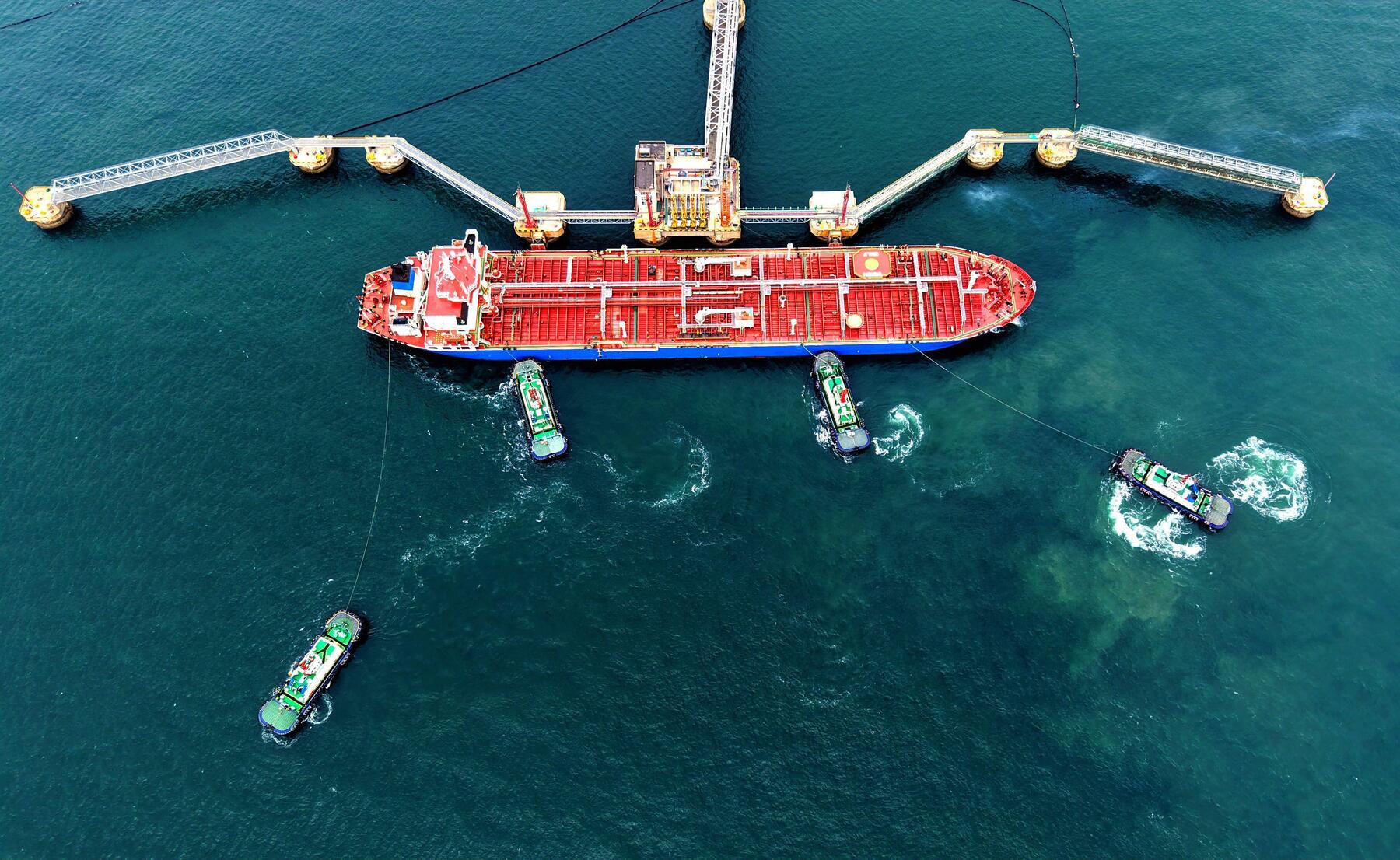
China's Reduced Oil Imports Prevent Global Price Shock Amidst Conflict
Translated from German, summarized and contextualized by DistantNews.
At a glance
Analysis
Documents & data
Context piece
- China's reduced oil imports have helped stabilize global oil prices despite the conflict in the Strait of Hormuz.
- While experts predicted prices could reach $200 per barrel, they currently hover around $85, largely due to China's decreased demand.
- China has cut its daily oil imports by approximately five million barrels since February, a significant factor in preventing a major price shock.
Despite ongoing conflict and the closure of the Strait of Hormuz, global oil prices have remained surprisingly stable, a phenomenon largely attributed to China's reduced demand for crude oil. Six months after the initial conflict began, oil prices are around $85 per barrel, far below the $200 per barrel predicted by many experts if the conflict persisted.
While factors like the release of oil reserves by Western nations and increased production from U.S. oil producers played a role, analysts point to China as the decisive factor. As the world's largest importer of crude oil before the conflict, Beijing was purchasing approximately twelve million barrels daily. This volume significantly influenced global supply and demand dynamics.
China's strategy involved initially holding back purchases as prices rose. However, its subsequent decision to further reduce imports, cutting daily purchases by about five million barrels since late February, proved crucial. This reduction accounts for roughly a quarter of the supply disruption caused by the Strait of Hormuz closure. By June, China's imports had fallen to their lowest point in over a decade, with overall foreign oil purchases decreasing by approximately 40 percent compared to the previous year.
This sustained "oil abstinence" has surprised many experts, leading to speculation about how China managed to decrease imports without crippling its economy. Theories range from increased supplies from Russia's "shadow fleet" to the utilization of secret oil reserves or an unacknowledged domestic lockdown. However, data suggests that China reduced imports from Russia significantly and while strategic reserves exist, concrete evidence of secret stockpiles is lacking. Furthermore, key economic indicators do not show a sharp downturn, suggesting that energy sources like nuclear power, renewables, and increased coal imports may have partially offset the reduced oil consumption.
DistantNews Editorial
Originally published by Die Presse in German. Translated, summarized, and contextualized by our editorial team with added local perspective. Read our editorial standards.
More Stories


From Our Blog

What Gets Lost (and Found) When News Is Translated

The Critical Role of Diaspora Media in Global News

What Travellers Should Know About Countries with Restricted Press

A Digital Nomad's Guide to Following Local News

How the Same Story Looks Different in Different Countries
