


Austria's driest year impacts Verbund, causing €370 million earnings gap
Translated from German, summarized and contextualized by DistantNews.
At a glance
News
Named sources
Context piece
- Austria is experiencing its driest year on record, leading to record low groundwater levels and low river flows.
- The water scarcity has significantly impacted the Verbund energy company, reducing its hydropower output by one-third and causing a €370 million drop in earnings.
- Verbund is diversifying its energy sources and geographical locations to adapt to climate change, acknowledging the need for a broader technological and geographical strategy.
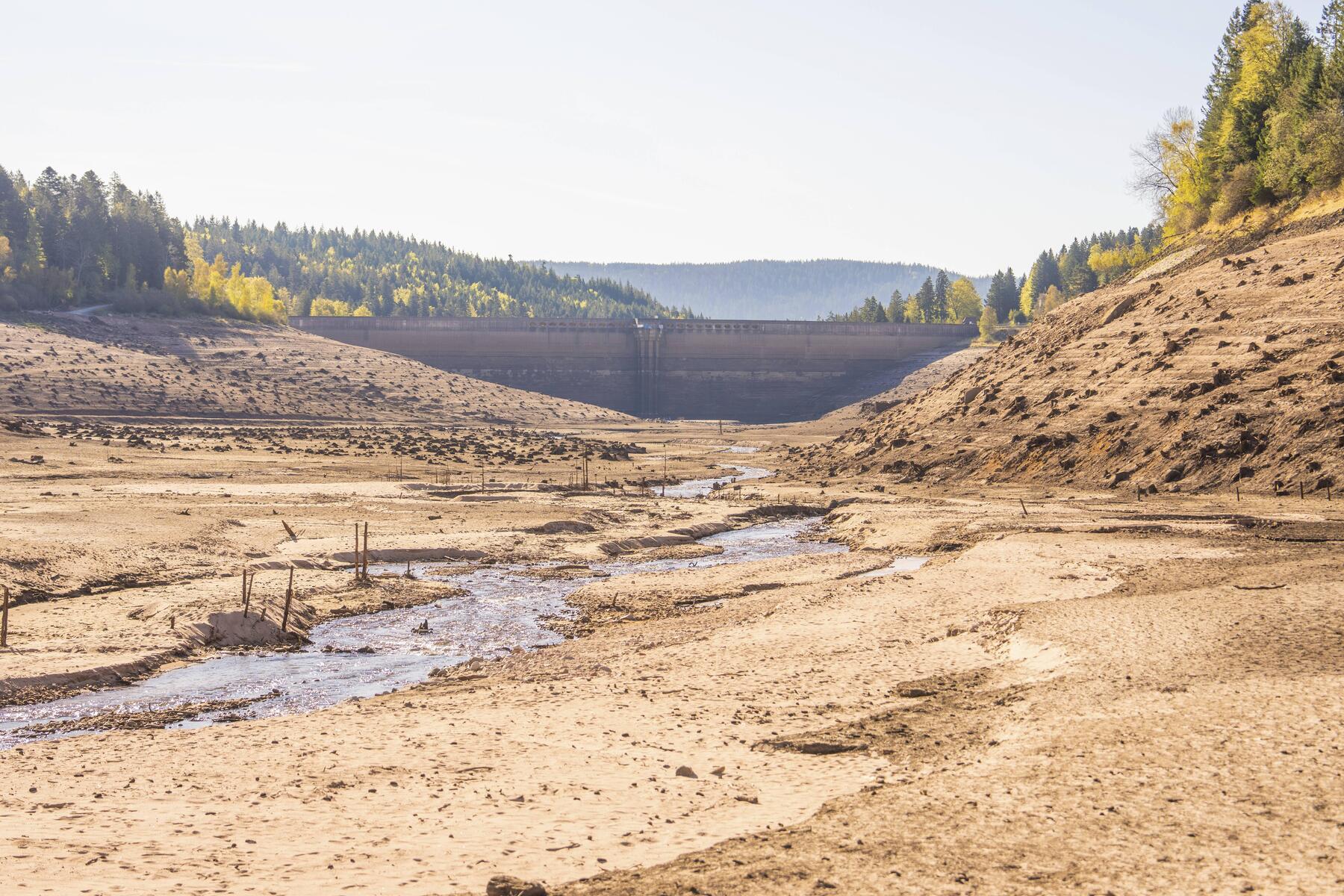
Austria is grappling with its driest year since records began, resulting in critically low groundwater levels and minimal river flows. This severe drought has directly impacted the nation's primary hydropower producer, Verbund.
We are missing one-third of the water volume that we usually process in our power plants.
Verbund CEO Michael Strugl reported that the company is currently processing one-third less water than usual in its power plants. This reduction in hydropower output led to a decrease of 1.2 terawatt-hours in the first half of the year. The financial consequences are stark: the company's operating result (EBITDA) fell by approximately 25% to €1.06 billion. Specifically, the decline in hydropower production alone accounts for a €370 million deficit, according to CFO Peter Kollmann. Additionally, falling electricity prices have further strained the company's finances, with its adjusted consolidated earnings shrinking by 31.4% to €537.8 million.
The decline in hydropower production alone accounts for a minus of 370 million euros.
The drought has also exposed the limitations of Verbund's long-standing hedging strategy. The company traditionally sells large volumes of its generated power in advance at fixed prices. During exceptionally dry years like this one, Verbund must purchase electricity on the open market to meet its contractual obligations. These buy-backs cost the company €200 million in the first half of the year. Despite this, Strugl affirmed that Verbund will not abandon its hedging strategy but acknowledged that the increasing frequency of extreme dry years necessitates a strategic shift.
We need diversification, a broader setup both technologically and geographically.
"We need diversification, a broader setup both technologically and geographically," Strugl emphasized. He noted that this adaptation is crucial not only for the company's resilience but also for the country's energy security. While electricity supply has remained stable even during heatwaves, with solar power, pumped-storage plants, and thermal power stations compensating for hydropower shortfalls, the long-term sustainability is under scrutiny. Verbund is actively researching solutions with academic and research institutions, anticipating new findings in the fall that will likely confirm trends of drier summers and wetter winters in Austria. The company is preparing for increased evaporation and greater fluctuations between normal and extreme years, aiming for a more robust energy mix and wider distribution of power plant locations.
We have to adapt to it.
DistantNews Editorial
Originally published by Die Presse in German. Translated, summarized, and contextualized by our editorial team with added local perspective. Read our editorial standards.
More Stories

From Our Blog

What Gets Lost (and Found) When News Is Translated

The Critical Role of Diaspora Media in Global News

What Travellers Should Know About Countries with Restricted Press

A Digital Nomad's Guide to Following Local News

How the Same Story Looks Different in Different Countries
