


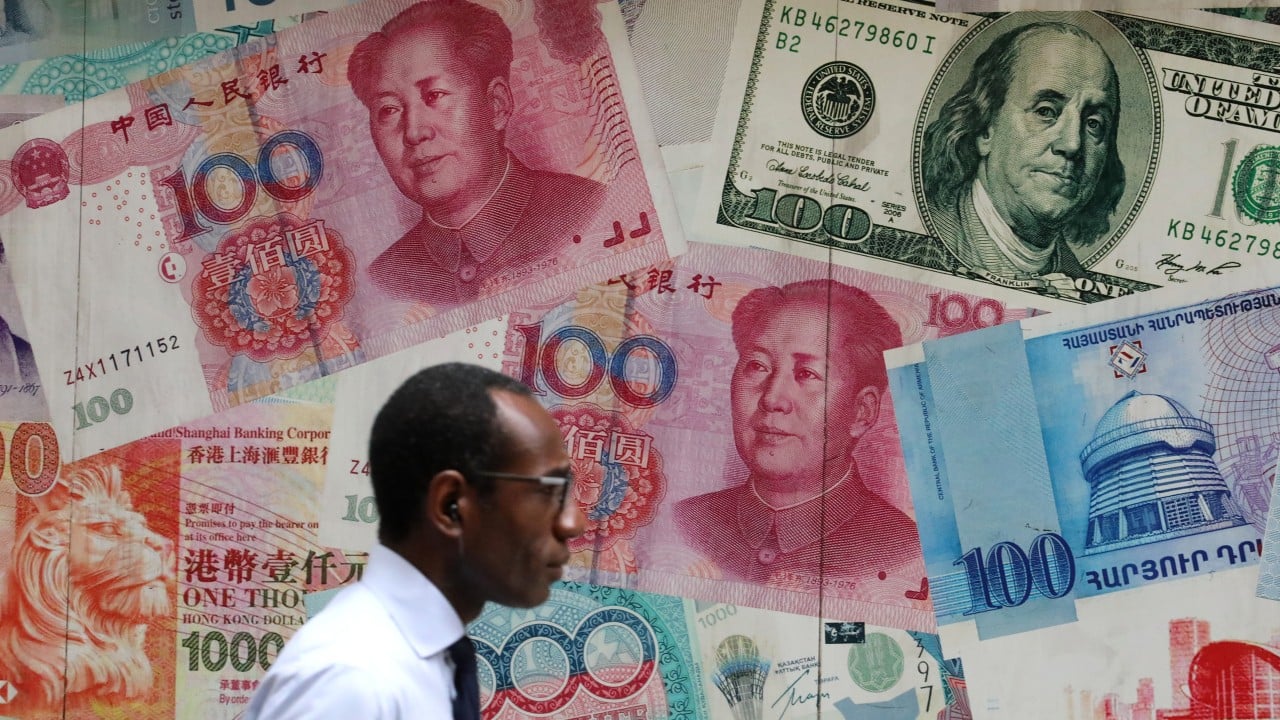
China's yuan gains traction in Africa as alternative to US dollar
Translated from English, summarized and contextualized by DistantNews.
At a glance
News
Named sources
Outcome reported
- Africa is becoming a key region for China's push to internationalize the yuan, reducing reliance on the US dollar.
- Libya's central bank will join China's Cross-Border Interbank Payment System (CIPS), facilitating direct yuan payments for trade.
- Other African institutions and Zambia are already integrating with China's payment network and using the yuan for transactions.
Africa is emerging as a crucial testing ground for China's ambition to elevate the yuan as a major international currency, aiming to diminish the dominance of the US dollar. This strategic move involves deepening integration between African financial institutions and China's payment infrastructure.
Following recent discussions between the Central Bank of Libya and the People's Bank of China, Libyan banks are set to join the Cross-Border Interbank Payment System (CIPS). This Chinese-developed network serves as an alternative to the Western-dominated SWIFT system. The integration is expected to streamline commercial transactions, expedite cross-border transfers, and stimulate trade flows between Libya and China. Libya also plans to issue yuan-denominated "panda bonds" to fund its post-conflict reconstruction.
Libya is not alone in this shift. Other African financial entities, including the continent-wide African Export-Import Bank and South Africa's Standard Bank, have already connected to CIPS. In January, Zambia began collecting taxes and royalties from Chinese mining firms directly in yuan. This currency is then channeled back to Beijing to finance imports and service existing loans, demonstrating a growing practical application of the yuan in African economies.
DistantNews Editorial
Originally published by South China Morning Post in English. Translated, summarized, and contextualized by our editorial team with added local perspective. Read our editorial standards.
More Stories


From Our Blog

Countries Without a Free Press: What You Need to Know

What Press Freedom Means for the News You Read

What Gets Lost (and Found) When News Is Translated

The Critical Role of Diaspora Media in Global News

What Travellers Should Know About Countries with Restricted Press
