

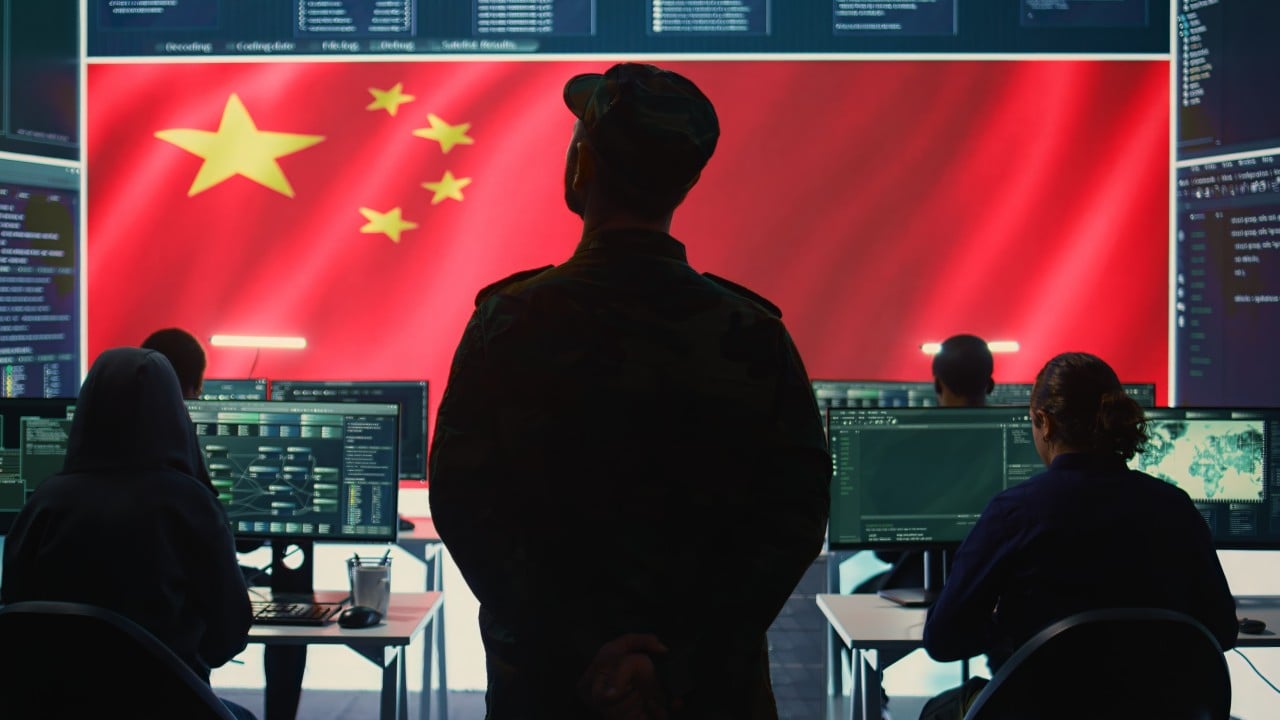

China-Singapore Cybersecurity Team Claims Breakthrough in Hacking Starlink Terminals
Translated from English and summarized by DistantNews. Read the original for the full story.
At a glance
News
Named sources
Ongoing story
- Darknavy, a cybersecurity research institute based in Singapore and Shanghai, says it compromised the latest Starlink user terminals.
- The researchers said the hardware attack gave them full administrative control and the ability to run custom code on the devices.
- The claimed breakthrough could enable more detailed study of Starlink terminal and satellite-system security, an area previously constrained because the terminals could not be hacked.
A cybersecurity team based in Singapore and Shanghai says it has crossed a barrier that long limited research into SpaceX’s Starlink system: the latest user terminals can now be compromised.
Darknavy, an independent cybersecurity research institute, said in a social media post on Tuesday that it used sophisticated hardware attacks to obtain full administrative control of the terminals. That access allows researchers to run any custom code on the devices.
The institute described the access as an unprecedented opening for security research into Starlink. Until now, detailed work on the satellite system’s security had largely stalled because researchers could not hack the terminals.
Starlink provides internet access through user terminals that connect to satellites in low-Earth orbit. Those satellites relay data through ground gateways to the wider internet. Newer satellites are also gradually receiving laser links, allowing some of them to communicate directly and reducing their reliance on ground stations while improving transmission speeds and coverage.
The terminal serves as both an antenna and a router, making it a key connection point between users and the satellite network. In battlefield conditions such as those in Ukraine, terminals can still reach the internet without local ground gateways by routing signals through satellites connected to gateways in neighboring countries.
About this summary
Originally published by South China Morning Post in English. Translated, summarized, and contextualized automatically by DistantNews, with a note on how the source frames the story. Not individually reviewed before publishing. How this works.
More Stories



From Our Blog

Countries Without a Free Press: The 2026 List and What It Means for Readers

What Press Freedom Means for the News You Read

News in Translation: What Gets Lost, and How We Keep the Framing

Diaspora Media: How Communities Abroad Follow Home

Traveling Where the Press Is Not Free: How to Read the News There
