


China to boost rare earth mine output by 50% with $74 million investment
Translated from English, summarized and contextualized by DistantNews.
At a glance
News
Named sources
New plan
- China plans to increase its rare earth mine output by 50% through a $74 million investment in the Bayan Obo mine in Inner Mongolia.
- The expansion primarily targets increased iron ore production, with rare earths being a by-product, and will not alter China's rare earth production policy due to existing quotas.
- This move highlights the gap between the mine's geological potential and its current production levels, particularly for iron ore.
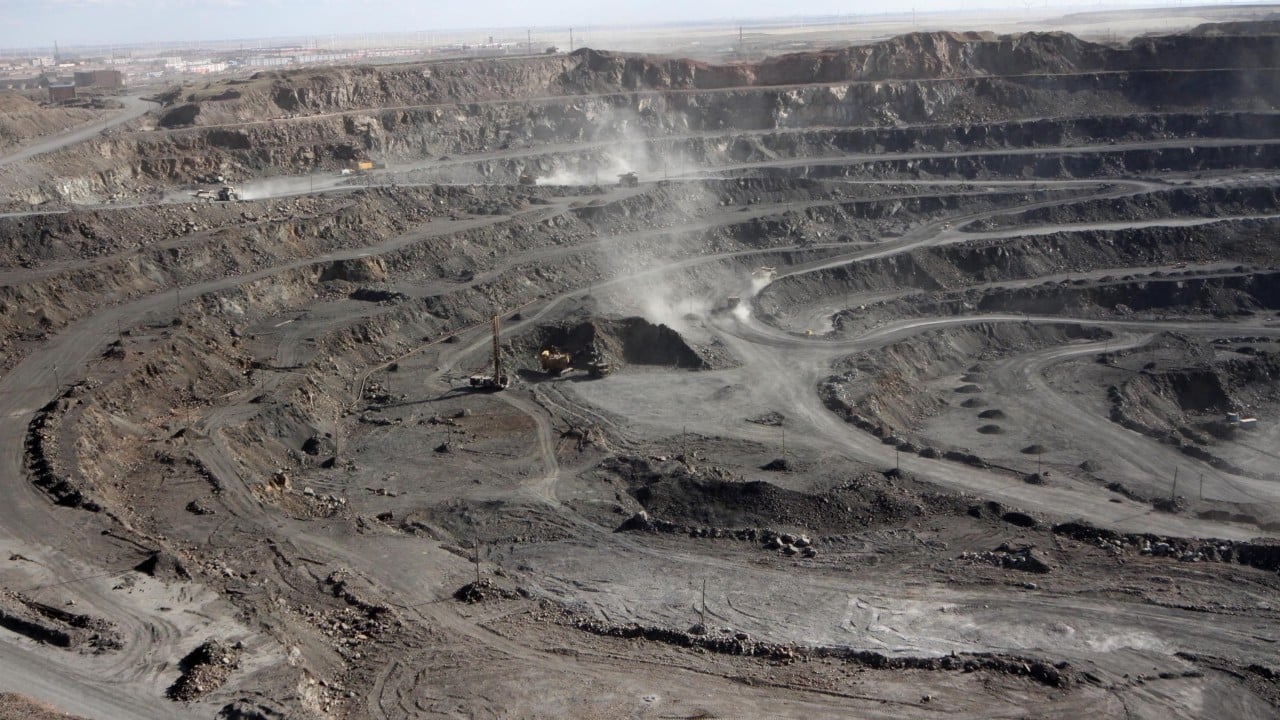
China is set to boost production capacity at the Bayan Obo mine in Inner Mongolia, the world's largest rare earth deposit, with an investment exceeding $74 million. This expansion aims to increase the mine's annual output by 50%, raising it from 10 million to 15 million tonnes.
Bayan Obo is a significant polymetallic site, rich in iron, rare earths, fluorite, niobium, scandium, and thorium. According to Baogang Group, the mine's operator, the project's main goal is to increase iron ore output. Rare earth extraction will remain a by-product of this process.
The expansion underscores the difference between the mine's geological potential and its actual output. While it will enhance mining capacity for iron at this crucial Chinese mine, the country's policy on rare earth production will remain unchanged. "Rare earth production is subject to quotas, so there is no need to mine more ore," explained Li Yang, a leading geologist at Peking University, in an interview.
Rare earth production is subject to quotas, so there is no need to mine more ore
DistantNews Editorial
Originally published by South China Morning Post in English. Translated, summarized, and contextualized by our editorial team with added local perspective. Read our editorial standards.
More Stories

From Our Blog

Countries Without a Free Press: What You Need to Know

What Press Freedom Means for the News You Read

What Gets Lost (and Found) When News Is Translated

The Critical Role of Diaspora Media in Global News

What Travellers Should Know About Countries with Restricted Press
