


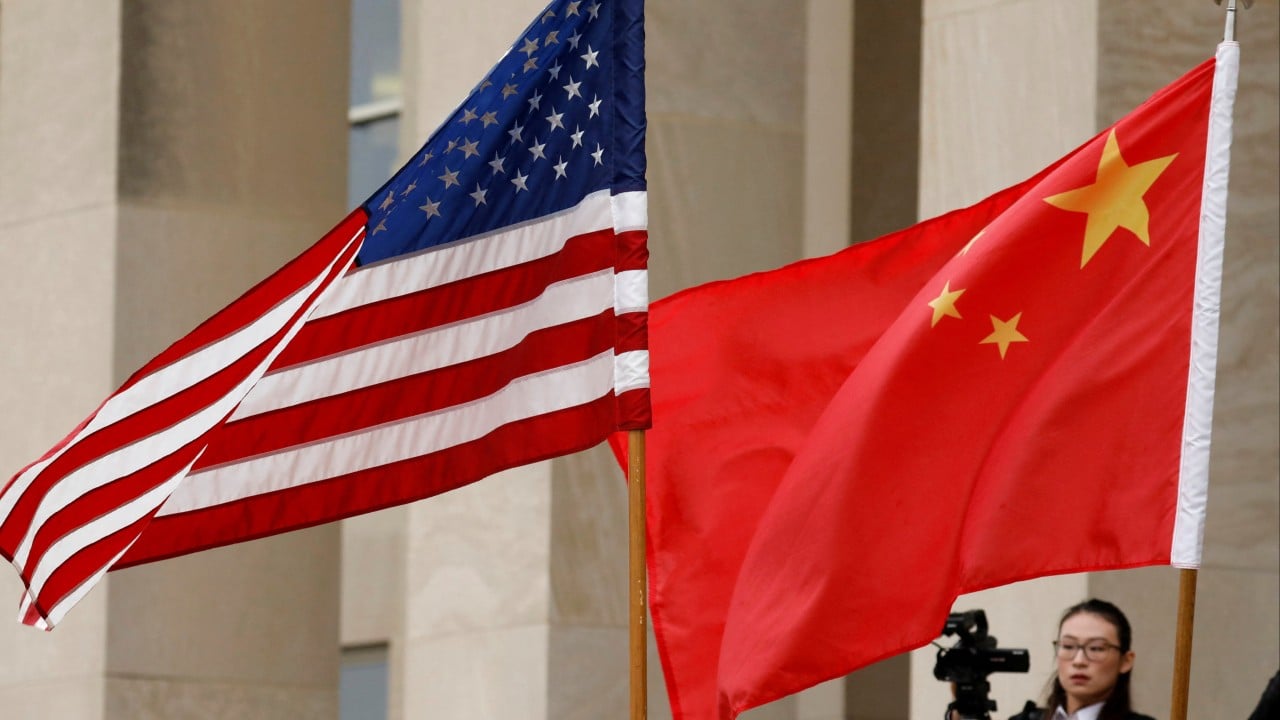
US imposes 15% polysilicon tariff, price floors to challenge China's dominance
Translated from English, summarized and contextualized by DistantNews.
At a glance
News
Official statement
New plan
- The US has imposed a 15% tariff and price floors on polysilicon imports, targeting China's market dominance.
- The measures aim to protect domestic manufacturers of solar panels and semiconductors by ensuring a secure supply chain.
- Officials stated the goal is to prevent China from dumping materials and encourage domestic production.
The United States is implementing new tariffs and price floors on polysilicon, a critical material for solar panels and semiconductors, in a move aimed at challenging China's significant control over the global market. President Donald Trump signed a proclamation establishing a 15% tariff, set to take effect in 120 days, alongside a series of price floors.
We’re setting prices so that the Chinese can’t dump any more, and we’re setting tariffs to say build it here.
Commerce Secretary Howard Lutnick explained the strategy: "We're setting prices so that the Chinese can't dump any more, and we're setting tariffs to say build it here." He emphasized the need for foundational products to be manufactured domestically, stating, "We need the foundational products made here. We’re making the products here, but we need the supply chain here."
We need the foundational products made here. We’re making the products here, but we need the supply chain here.
The proclamation details that a minimum import price (MIP) program will foster a "protected domestic market." This initiative is designed to enable U.S. producers to "compete free from global distortions." The administration underscored the strategic importance of domestic polysilicon production, noting, "Without a secure and reliable domestic supply of polysilicon, the United States cannot sufficiently produce semiconductors."
Without a secure and reliable domestic supply of polysilicon, the United States cannot sufficiently produce semiconductors.
DistantNews Editorial
Originally published by South China Morning Post in English. Translated, summarized, and contextualized by our editorial team with added local perspective. Read our editorial standards.
More Stories
From Our Blog

Countries Without a Free Press: What You Need to Know

What Press Freedom Means for the News You Read

What Gets Lost (and Found) When News Is Translated

The Critical Role of Diaspora Media in Global News

What Travellers Should Know About Countries with Restricted Press
